Discover 3 brain exercises from a top neurologist that can sharpen focus and improve memory. Simple daily routines for better cognitive health.
Surrey Neurologist Recommends Simple Brain Workouts for Sharper Mind
In a recent interview, Dr. Murali Krishna, a consultant neurologist, shared practical brain exercises that can enhance focus and memory. Speaking from his experience at CARE Hospitals, Dr. Krishna highlighted how these techniques support brain health for people of all ages, including residents of Surrey looking to boost mental sharpness.
The Science Behind Brain Training
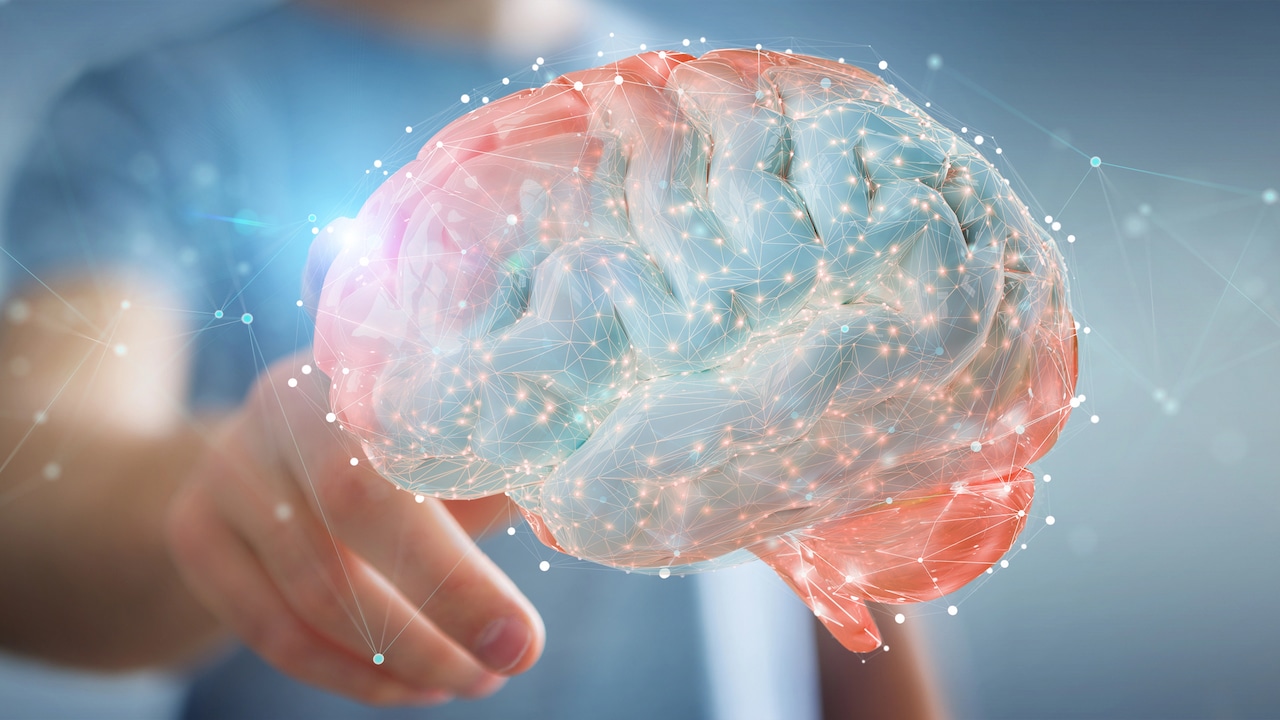
According to Dr. Krishna, the key to cognitive improvement lies in neuroplasticity — the brain’s natural ability to reorganize and form new neural connections. “Just like physical exercise strengthens the body, brain workouts can enhance memory and concentration by rewiring the brain,” he explained. This process not only sharpens mental abilities but may also reduce the risk of age-related conditions like dementia.
Recommended Mental Exercises
Dr. Krishna recommends three simple yet powerful activities that anyone can incorporate into daily life. These include meditation and mindfulness practices, memory games and puzzles, and learning new skills or languages. Each activity challenges the brain, encouraging it to adapt and grow stronger over time.
How These Exercises Help
Meditation and mindfulness improve attention span and reduce stress by enhancing the prefrontal cortex and hippocampus, areas crucial for memory and focus. Memory games like Sudoku or crosswords boost short-term memory and problem-solving skills. Meanwhile, learning something new, such as a language or instrument, creates fresh neural pathways that support both memory and concentration.
Why Regular Practice Matters
Dr. Krishna emphasizes consistency: “Spending just 10-20 minutes a day on these activities can make a noticeable difference.” Regular mental exercise keeps the brain engaged, potentially slowing cognitive decline and improving day-to-day productivity.
Taking the First Step
Surrey residents interested in improving cognitive health can easily start these exercises at home. Whether it’s a quiet session of meditation, a daily puzzle, or picking up a new hobby, the key is to stay mentally active. Dr. Krishna’s advice offers an accessible way for anyone to invest in their brain health — no special equipment required.






















Leave a comment