Summer Heat, Sleepless Nights and Fatigue: A Dangerous Mix on B.C. Roads
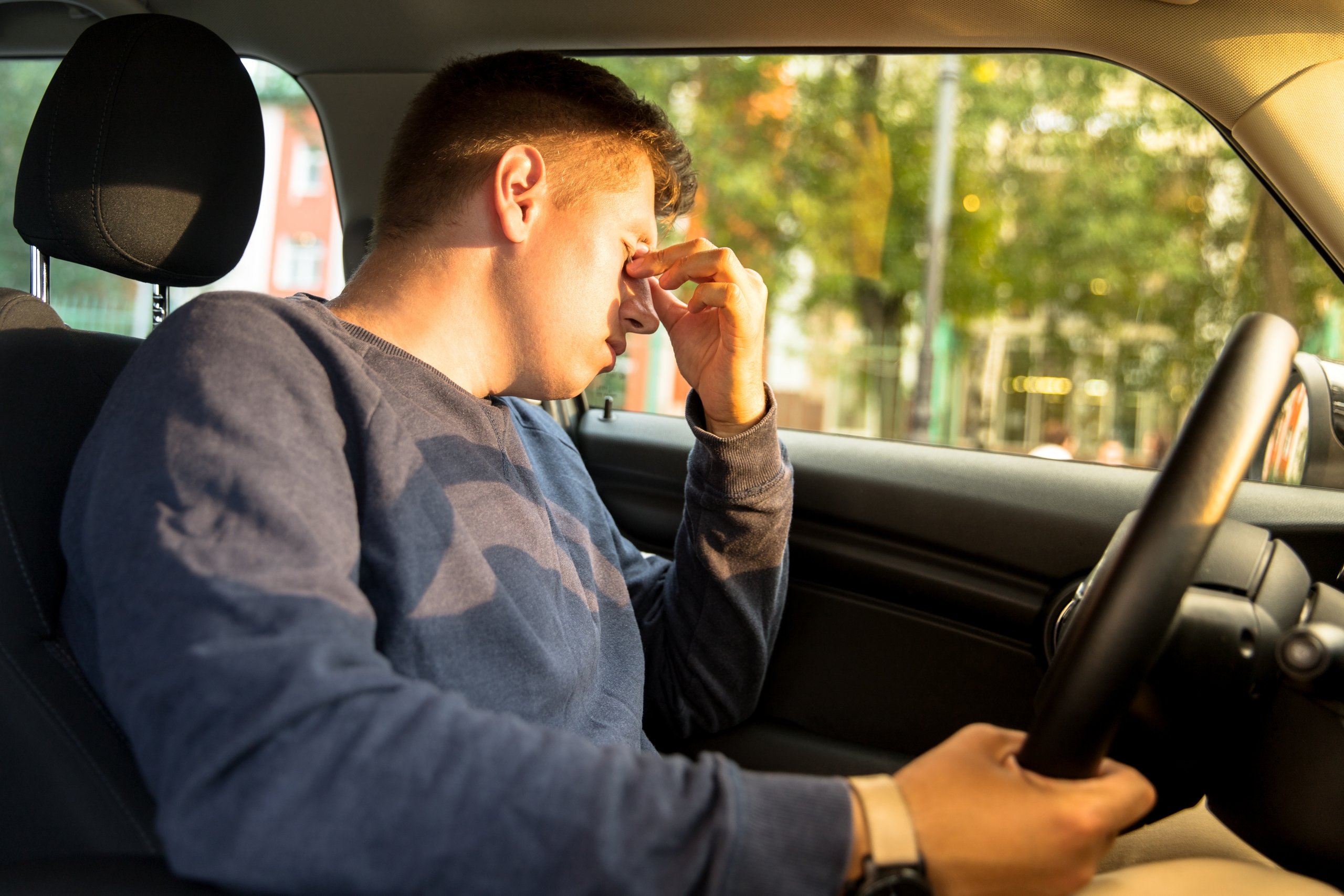
Fatigue and summer driving can be a dangerous combination, and the Insurance Corporation of British Columbia (ICBC) is raising a red flag. According to a new advisory released on July 29, fatigue-related crashes surge during July and August, putting B.C. drivers at heightened risk during the warmer months.
1 in 4 Drivers Admit to Dozing Off Behind the Wheel
A recent Ipsos survey, commissioned by ICBC, revealed that nearly one in four B.C. drivers reported nodding off behind the wheel at least once in the past year. That sobering number points to a major safety concern, especially as temperatures climb and road trips become more frequent.
Heat-Linked Fatigue Crashes Peak in Summer
Police data shows 71% more injuries and fatalities in fatigue-related crashes during July and August compared to other times of the year. The combination of long daylight hours, travel plans, and high heat can wear drivers down—often without them realizing it.
What’s Making B.C. Drivers So Tired?
ICBC says that lack of sleep is the leading factor. Nearly 70% of fatigued drivers surveyed said they had poor rest the night before. About 38% had less than four hours of sleep, while over half blamed extended driving without breaks.
Simple Mistakes, Serious Consequences
“Fatigue slows your reaction time and when driving at highway speeds, even a slight reduction can significantly increase your risk of crashing,” said Kathleen Nadalin, ICBC’s road safety manager. Missing lane markings, drifting speeds, and lapses in focus are all warning signs.
ICBC’s Solutions: Infrastructure Meets Awareness
To help reduce these risks, ICBC has been funding fatigue-related infrastructure improvements through its road safety programs. These include rumble strips, roadside barriers, and better signage to alert drowsy drivers before it’s too late.
How to Stay Awake and Alert This Summer
ICBC advises the following:
- Get enough sleep before your trip.
- Avoid driving during your usual sleep hours.
- Take regular breaks, especially on long drives.
- Avoid medications that cause drowsiness.
Final Word: Know the Warning Signs
Recognize the red flags—trouble keeping your eyes open, drifting lanes, inconsistent speeds. If you’re not fully alert, don’t risk it. Park, rest, or postpone your trip. Your safety—and that of others—depends on it.
























Leave a comment