A discontinued diabetes drug, Halicin, may combat superbugs thanks to AI discovery. Study shows 94% success against antibiotic-resistant bacteria.
AI Sparks New Hope in Superbug Battle
A groundbreaking study published in Antibiotics has revealed that Halicin, a discontinued diabetes drug, could be repurposed to fight some of the world’s most dangerous superbugs. Using artificial intelligence, researchers uncovered the drug’s powerful antimicrobial properties—marking a major advancement in global antibiotic research.
Unexpected Revival of Halicin
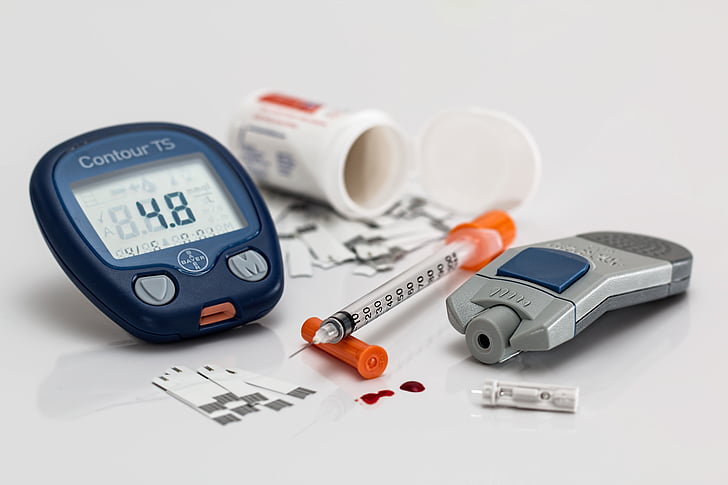
Originally developed to treat diabetes, Halicin was abandoned during early testing due to poor results. However, a 2020 breakthrough by MIT researchers using machine learning algorithms uncovered its unexpected antibacterial capabilities. This latest Moroccan study builds on that foundation, applying AI to screen Halicin’s effectiveness against multidrug-resistant bacteria.
Testing Against the Toughest Bacteria
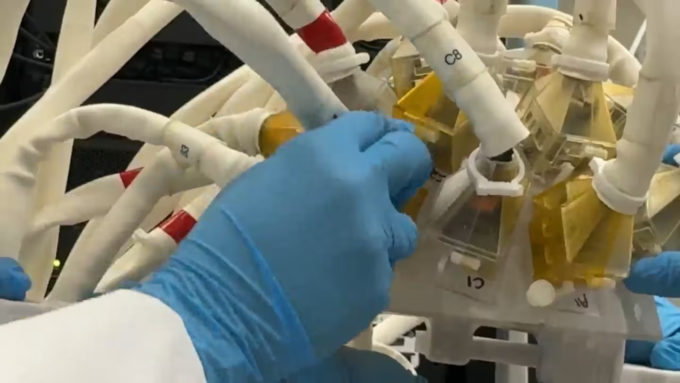
The study examined Halicin’s impact on 18 multidrug-resistant strains that had shown resistance to 22 commonly used antibiotics. Among them were bacteria from the ESKAPE group—known to cause severe infections like pneumonia and MRSA, and recognized by the World Health Organization as a top global health threat.
High Effectiveness, With One Exception
Halicin demonstrated potent activity against nearly all tested strains, succeeding in 94% of cases. However, the bacterium Pseudomonas aeruginosa proved immune to the drug, likely due to its robust outer membrane, which Halicin struggles to penetrate. Still, the results offer significant promise in the fight against evolving bacterial threats.
Further Research Still Needed
Despite the strong initial findings, researchers emphasize that more studies are required before Halicin can enter clinical use. Specifically, safety, dosage optimization, and potential long-term effects must be closely examined. Scientists also caution that resistance to Halicin could eventually develop—though it has not been observed yet.
A New Frontier for AI in Medicine
The study underscores how artificial intelligence can revolutionize medical research, reviving once-failed drugs and accelerating discovery. By merging computational power with scientific inquiry, researchers are opening new paths to overcome long-standing barriers in infectious disease treatment.
Global Implications
With antibiotic resistance on the rise worldwide, this discovery offers a potential lifeline. If future studies confirm Halicin’s safety and efficacy, the world may soon have a powerful new weapon against deadly, drug-resistant infections.
For continuous coverage and real-time updates on Surrey’s environmental initiatives and community stories, keep following Surrey News






















Leave a comment