Ultra-Fast Shipping Meets an Overheating Planet
One-day delivery was once a luxury. Today, it’s expected. With a single click, products land at your doorstep in less than 24 hours. But behind that convenience lies an invisible cost—one that’s being paid by the environment.
As e-commerce giants like Amazon race to fulfill faster and faster shipping promises, the environmental toll is becoming impossible to ignore. Here’s a closer look at how one-day delivery is reshaping our planet—for better and for worse.
The Rush Is Real—And Resource-Intensive
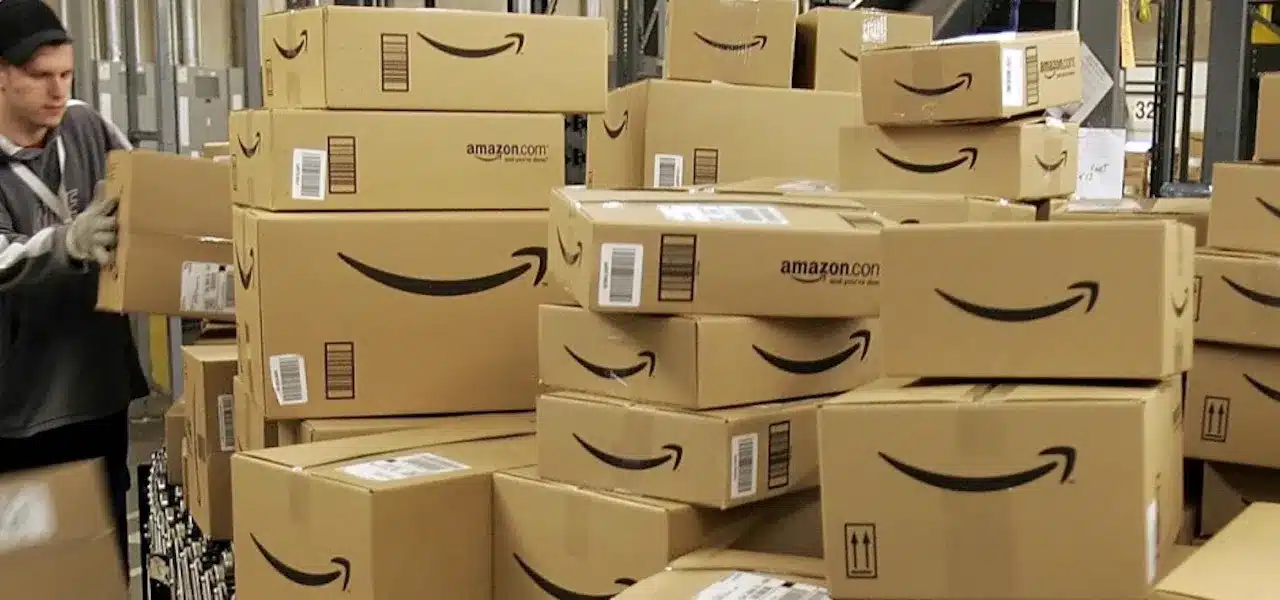
When you select “One-Day Delivery,” your order jumps the queue. Instead of being bundled with others for efficiency, it’s often shipped separately, sometimes from a distant warehouse, using whatever method is fastest—not greenest.
This means:
- More delivery vehicles on the road, many only partially loaded.
- Increased air freight, which has a much higher carbon footprint than ground transportation.
- Expanded warehouse networks, often requiring deforestation or massive energy inputs.
The result? Significantly higher greenhouse gas emissions per order than standard delivery options.
The Carbon Footprint of Convenience
Studies suggest that same-day and next-day delivery options can increase emissions by up to 35%, compared to slower shipping methods. The key drivers:
- Lack of delivery consolidation
- Airplane use over trucking
- Energy-intensive warehousing and sorting systems
According to a 2024 MIT study, if every online shopper in North America chose fast shipping over standard, it would equate to adding 1.5 million more cars to the roads annually in terms of carbon output.
Warehouses Aren’t Always Eco-Friendly
To support ultra-fast delivery, companies are building more last-mile fulfillment centers—smaller warehouses closer to cities. While this reduces delivery times, it often involves:
- High energy usage for refrigeration, robotics, and lighting
- Increased local pollution and congestion
- Poor labor conditions and urban sprawl
And since most of these facilities aren’t powered by clean energy, they further drive fossil fuel dependence.
Returns Are a Silent Culprit
One of the most overlooked aspects? Product returns.
One-day delivery often leads to impulse buying. And many of those impulse purchases are returned—especially in fashion, electronics, and home goods.
But returns aren’t simple:
- Returned items often travel thousands of miles back to processing centers.
- Some are never resold—instead ending up in landfills or incinerators.
- Reverse logistics consume extra fuel, packaging, and labor.
It’s estimated that over 5 billion pounds of returned goods end up in U.S. landfills each year.
What Can Be Done?
The good news? Both consumers and corporations can take steps to reduce this growing footprint.
For consumers:
- Choose slower shipping when possible.
- Consolidate orders instead of ordering items separately.
- Avoid returns by being mindful before purchasing.
- Support companies that use carbon-neutral shipping or invest in offsets.
For corporations:
- Shift to electric delivery fleets
- Invest in green warehouses with solar power and better insulation
- Improve AI-based logistics to reduce empty delivery miles
- Be transparent about the environmental impact of delivery choices
A Culture Shift: Redefining Convenience
Convenience doesn’t have to come at the planet’s expense. If brands reframe “eco-shipping” as the new premium choice—and if customers embrace thoughtful consumption—real change is possible.
The next time you’re about to click “Buy Now,” pause and consider: Do I need it tomorrow? Or do I want a tomorrow worth living in?










 OliviaAugust 7, 20252 Mins read26












Leave a comment