For years, industries have used digital twins—virtual replicas of machines, buildings, or even entire cities—to simulate, predict, and optimize performance. But the concept is now pushing into a far more complex and controversial territory: creating digital twins of human beings. Could a virtual version of you, complete with your health data, habits, and even personality traits, truly exist?
What Is a Human Digital Twin?
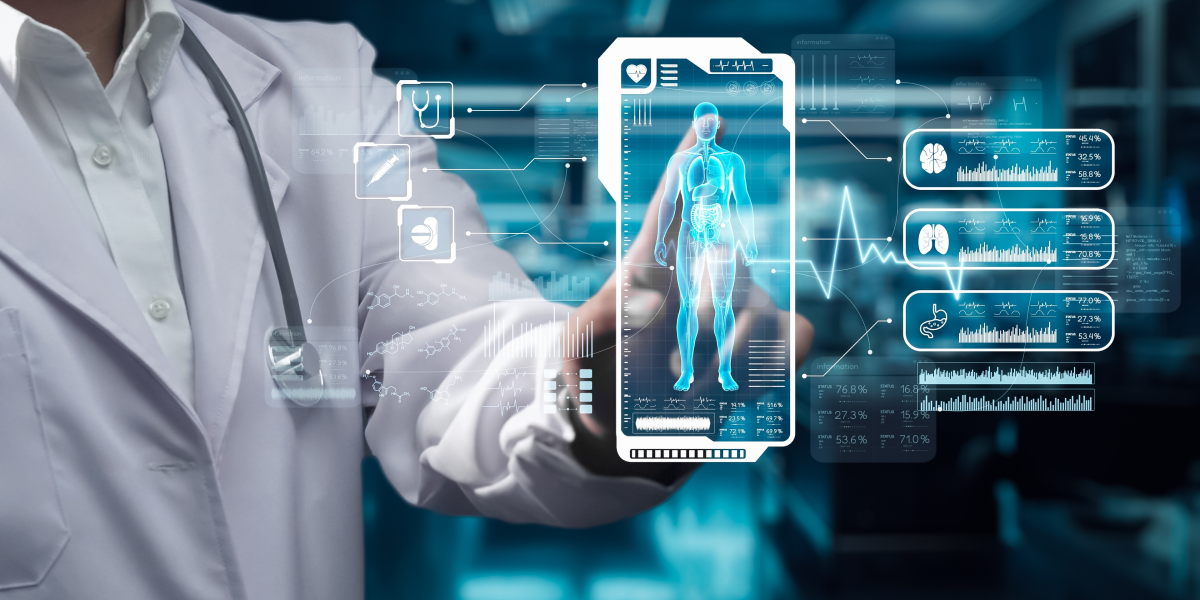
A human digital twin is not just a health record or a fitness tracker. It’s a comprehensive digital model of a person, integrating biological, behavioral, and environmental data. Think of it as a living simulation that evolves with you, reflecting changes in your body, mind, and lifestyle in real time.
Using inputs like genetic information, medical history, wearable devices, and even emotional cues captured through AI, a digital twin could potentially predict health risks, recommend treatments, or optimize personal well-being.
Where We Stand Today
- Healthcare applications: Companies are already experimenting with digital twins for individual organs—such as a “digital heart” or “digital lungs”—to simulate how a patient might respond to surgery or medication.
- Precision medicine: With growing access to genomic data and AI-driven analysis, doctors can use partial digital twins to personalize treatment more effectively.
- Lifestyle optimization: Digital avatars could soon suggest nutrition plans, mental health interventions, or daily habits, tailored precisely to each individual.
While the full “whole-human twin” is still in its infancy, early prototypes show promise, particularly in healthcare.
The Challenges Ahead
Despite the excitement, several hurdles remain:
- Data integration: Human life is messy—combining biological, behavioral, and social data into one model is extraordinarily complex.
- Privacy concerns: A fully mapped-out human twin raises enormous ethical questions. Who owns the data? How secure is it? Could it be misused by insurers, employers, or governments?
- Accuracy: No model can fully capture human unpredictability—our choices, emotions, and free will.
The Future: Digital Partner or Ethical Nightmare?
Some envision a future where your digital twin serves as your constant health advisor, career planner, and life coach, anticipating problems before they arise. Others worry about a scenario where corporations or governments gain control of your “other self,” reducing individuality to datasets.
The reality likely lies in between: human digital twins may first revolutionize healthcare, extend into lifestyle management, and eventually blur the line between digital and physical identity.
Conclusion
A true human digital twin is not fully possible yet—but we’re steadily moving in that direction. As AI, biotechnology, and data science converge, the next decade will determine whether digital twins become humanity’s greatest tool for well-being or a cautionary tale about the cost of digitizing ourselves.



















Leave a comment