









Trump lifts tariffs on beef, coffee, tropical fruits, tea and more as Americans push back on rising costs, ahead of a key Supreme Court ruling.
Move comes amid voter frustration and looming Supreme Court ruling
U.S. President Donald Trump has rolled back tariffs on a wide range of imported goods including beef, coffee, tropical fruits, tea, spices and fertilizers in a new executive order signed Friday.
The decision follows growing pressure from American consumers who say grocery and household costs have surged sharply in recent months.
Consumer Cost Pressures Drive Policy Shift
The policy reversal arrives just days after off-year elections where voters cited economic concerns as their top priority. That sentiment helped deliver major wins for Democrats in Virginia and New Jersey a political signal the White House could not ignore.
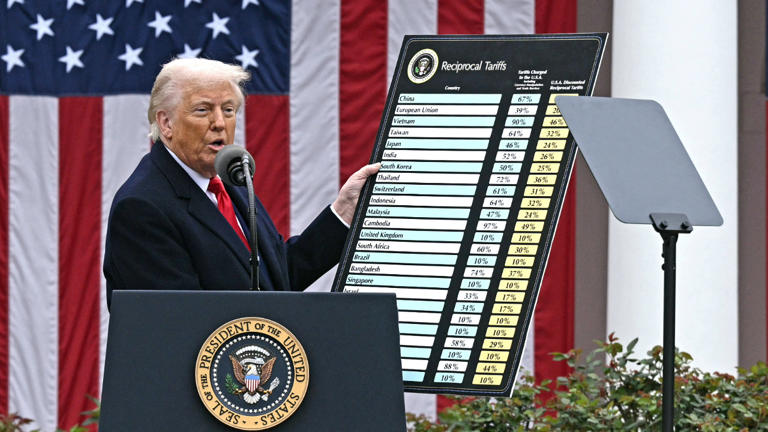
Trump’s latest order modifies his controversial April 2 “reciprocal tariff” policy, which had imposed sweeping global levies under a national emergency declaration tied to long-standing U.S. trade deficits.
Deals with Latin American Nations Trigger Tariff Removal
The administration announced new framework agreements with Ecuador, Guatemala, El Salvador and Argentina, aimed at easing import duties on agricultural goods from those regions. Many of the newly exempt products such as coffee and tropical fruits are not produced domestically, reducing concerns about harming U.S. farmers.
The order states that Trump reconsidered the tariff list after reviewing domestic demand, supply capacity and price impacts.
Beef and Coffee Among Top Consumer Concerns
Beef prices have reached record highs in the United States, with economists noting that Trump’s earlier tariffs including those on major exporter Brazil contributed to the cost spike.
The president had already hinted this week that he would lower tariffs on coffee to stabilize the market and support increased importation.
Tariffs Linked to Fentanyl Policies Remain Intact
The tariff rollbacks do not apply to Trump’s separate fentanyl-related import measures targeting Canada, Mexico and China. Those policies continue to operate independently from the broader trade revisions.
Supreme Court Expected to Rule on Legality of Trump’s Tariffs
The administration’s trade strategy still faces a major legal hurdle: the U.S. Supreme Court is expected to rule before year-end on whether Trump exceeded his executive authority by invoking emergency powers to impose global tariffs.
Trump has warned that overturning the policy would be “devastating” for the U.S. economy, though economists remain divided on that claim.
Stay updated instantly — follow us on Instagram | Facebook | X














Leave a comment