










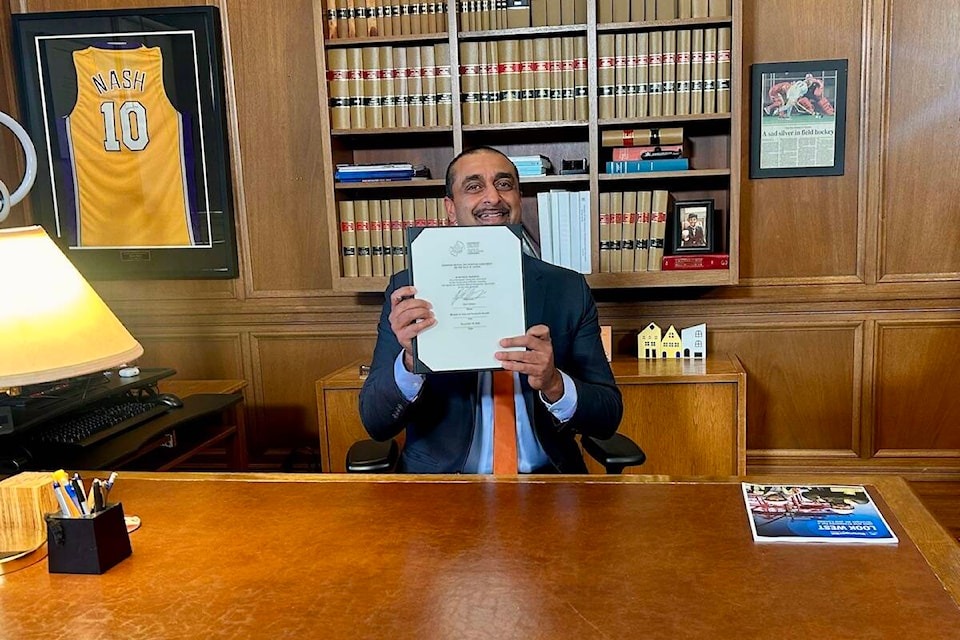
B.C. Joins National Pact to Lower Trade Barriers
British Columbia has signed onto a new nationwide agreement aimed at reducing interprovincial trade barriers, allowing many provincially approved products to be sold across Canada without needing extra testing, labels or certification.
The Canada Mutual Recognition Agreement, signed by trade ministers from all 13 provinces and territories, marks a major shift in how goods move across the country. While food, alcohol and some specific items are excluded, most goods are covered.
“Largest Red Tape Reduction in Canadian History”
B.C.’s Minister of Jobs and Economic Growth said the agreement has been “decades in the making,” calling it the single biggest reduction of red tape ever implemented in Canada. He said the pact is only the first step in modernizing internal trade rules.
Business leaders welcomed the move. The president of the Greater Vancouver Board of Trade noted that internal trade barriers cost the Canadian economy tens of billions of dollars annually. “If a product is approved for sale in one province, it should be approved in all provinces,” she said.
Support and Criticism from Opposition
The B.C. Conservative critic for small business also praised the agreement but argued that the provincial government has been slow to act on reducing trade restrictions. He pointed to past decisions around liquor markups and tariff responses as examples of missed opportunities to support local producers.
He said small businesses have come to expect “half-hearted action,” noting that locally made liquor still faces markups that make it difficult to turn a profit in provincial liquor stores.
A Step Toward Easier Canadian Trade
The new agreement is expected to simplify cross-provincial commerce for manufacturers and retailers, helping streamline production and reduce costs. Officials say further work will continue to expand eligible products and harmonize regulations across the country.
Stay updated instantly — follow us on Instagram | Facebook | X














Leave a comment