

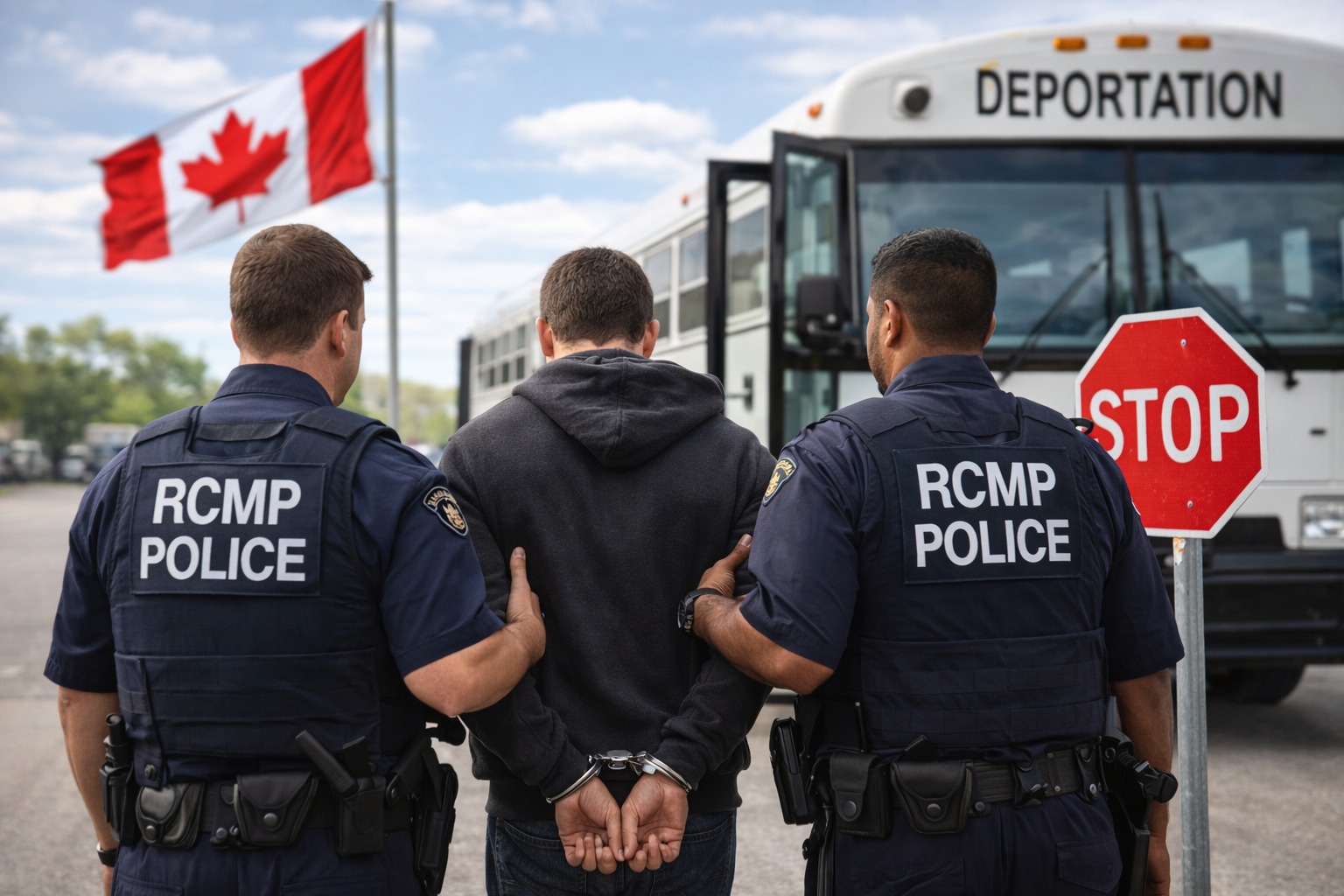
Public opinion in British Columbia has sent a clear signal.
A new survey from Research Co. finds that 80 per cent of residents support fast-tracking deportations in extortion cases. In addition, many also back trying recruited teens as adults in serious crimes.
The results point to growing concern about public safety. At the same time, they reveal strong appetite for tougher action.
Deportation in Extortion Cases Gains Broad Backing
First, let’s look at deportation.
According to the poll, a large majority want faster removal of non-citizens involved in extortion. Extortion schemes, especially those linked to organized crime, have made headlines in recent months. Therefore, public frustration appears to be rising.
Support cuts across age groups and regions. Moreover, backing remains high among voters of different political stripes. That broad consensus stands out.
Residents seem to believe swift consequences could deter future offences. As a result, the idea of fast-tracking deportations resonates strongly.
Teens Recruited Into Crime: Adults in Court?
The survey also explored views on youth crime.
Many respondents support trying teens as adults when they are recruited into serious criminal activity. Organized groups often target young people because youth laws can carry lighter sentences. Consequently, some argue that stronger penalties could disrupt that pattern.
While Canada’s justice system traditionally treats young offenders differently, public sentiment appears to be shifting. People worry about repeat offences and community safety. Therefore, calls for tougher responses have grown louder.
However, critics of this approach stress the need for rehabilitation. They argue that youth justice exists to prevent lifelong criminal paths. Even so, the poll shows that a majority favour a firmer stance in extreme cases.
What Is Driving Public Opinion?
Several factors may explain these numbers.
First, high-profile crime stories can influence perception. Second, social media spreads information quickly, often intensifying concern. Third, economic uncertainty can heighten anxiety about safety and stability.
As communities discuss extortion and organized crime, residents look for clear solutions. Tougher measures often seem straightforward. Therefore, they attract support.
At the same time, voters may feel governments must act decisively to maintain trust.
Political Implications in B.C.
These findings could shape debate at both provincial and federal levels.
Immigration policy falls under federal authority. However, crime prevention involves provincial systems as well. Consequently, both levels of government may face pressure to respond.
Lawmakers must now balance public demand for stricter action with legal safeguards and constitutional protections. Moreover, they must ensure that policies align with Canadian values and rights.
Still, when 80 per cent express support for a measure, leaders tend to pay attention.
A Shift in the Public Mood?
Polls capture a moment in time. Nevertheless, this survey suggests a notable shift.
British Columbians appear increasingly willing to endorse tougher penalties and faster removals in specific crime cases. Safety, fairness and accountability top the list of concerns.
Whether policy will change remains unclear. However, the message from respondents sounds strong and direct.
In short, when it comes to extortion and organized crime, many in British Columbia want action – and they want it quickly.
Stay updated instantly — follow us on Instagram | Facebook | X