
SFU engineers create an AI-powered 3D-printed heart monitor that’s reusable, comfortable, and designed to speed up diagnosis. A medical game-changer.
A Heart Monitor That Could Change Everything
What if heart tests felt easier, worked faster, and created less medical waste? At Simon Fraser University’s Surrey campus, that “what if” just became real. Experts from the School of Mechatronic Systems Engineering have built a new heart monitoring system using artificial intelligence and 3D printing. It might soon transform how doctors diagnose heart problems and how patients experience testing.
Smart Design With Real Comfort
The system uses soft, 3D-printed electrodes placed inside a lightweight belt shaped like origami. It gently sticks to the skin through suction, so no sticky gel is needed. Instead, a special carbon ink carries electrical signals to a wearable device. Inside that wearable device? Built-in AI that analyzes heart activity.
AI That Thinks Fast
The software can quickly pre-diagnose up to 10 different arrhythmias. Instead of waiting for manual reviews, doctors can receive clean data and confirm results electronically. Everything moves faster. Testing becomes easier. And visits become shorter.
Why the Technology Matters
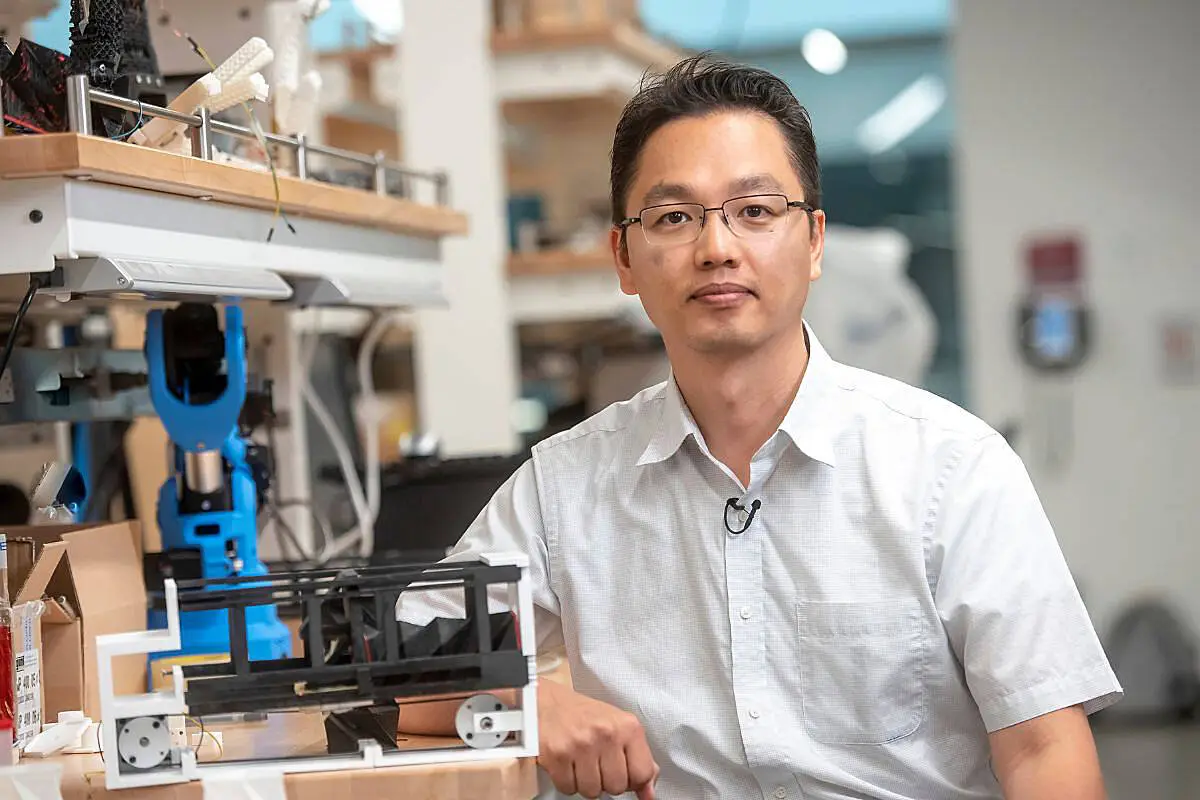
According to Professor Woo Soo Kim, current ECG methods use single-use gel patches that dry out, fall off, and create unnecessary waste. But the new dry electrodes are reusable, accurate, cleaner, and more comfortable. Plus, they can be sanitized and used again cutting waste dramatically.
Tested With Frontline Nurses
A study published in Biosensors and Bioelectronics, led by post-doctorate student Yiting Chen, brought the idea to life. Nurses from Vancouver General Hospital’s cardiac unit tested the prototype. They reported a major boost in patient comfort compared to bulky Holter monitors, especially for long-term monitoring.
Helping Remote & High-Demand Settings
The team believes this system could help emergency rooms, senior care facilities, hospital wards, and even remote communities with limited medical access. Faster AI results could allow doctors to confirm diagnoses sooner even from far away.
What Comes Next?
The researchers are now working on two goals:
- refining the AI pre-diagnostic algorithm
- shrinking the size of the 3D-printed electrodes to one-third of their current height
Their mission is simple: make heart monitoring personal, portable, and painless.
The future of heart monitoring isn’t far away it may already be beating at SFU Surrey.
Stay updated instantly — follow us on Instagram | Facebook | X