
The Hidden Danger Along Canada’s Rails
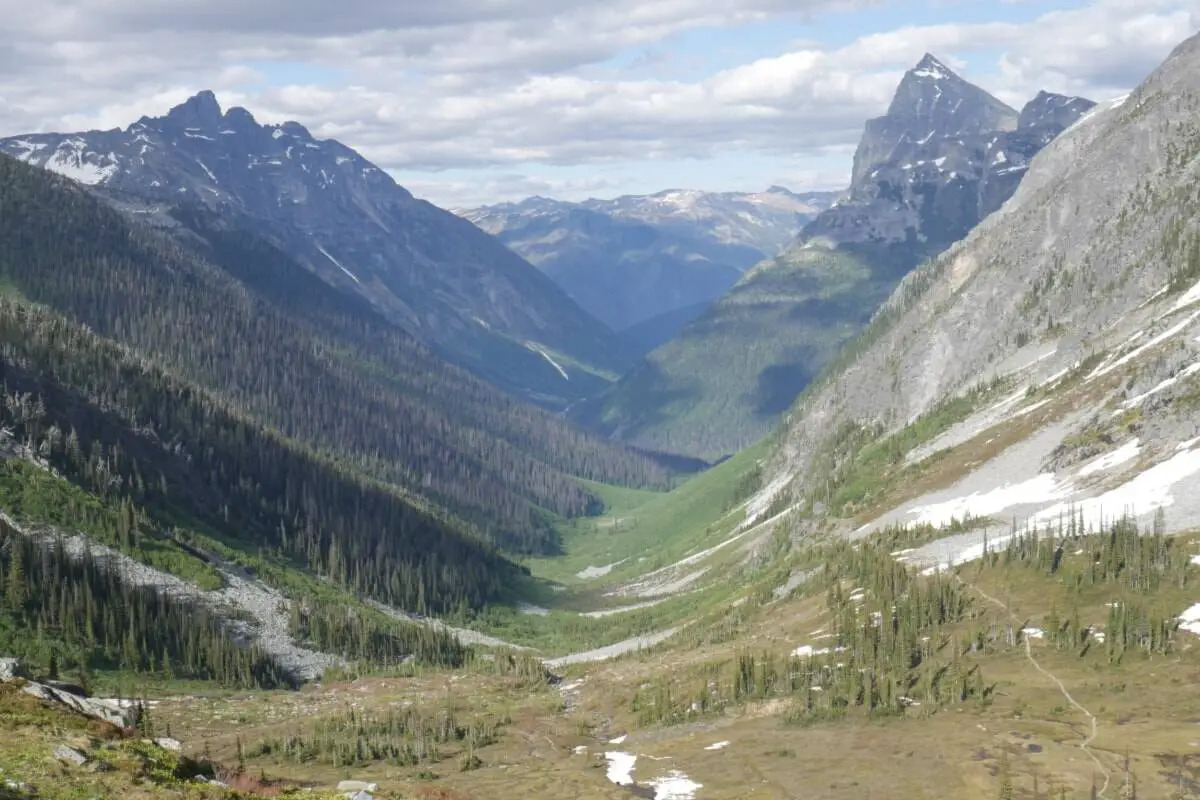
In the remote mountains around Rogers Pass, trains carve through snow, rock, and rainforest but they also slice through wildlife habitat. For bears and other animals, railways have become a hidden, deadly hazard. Many are drawn to the tracks for food or easy travel; but once on the rails, they face a near-certain danger from oncoming trains.
Rail-wildlife collisions have become a “silent killer.” Over the years, dozens of bears, elk, deer and other animals have lost their lives to trains in similar terrain often out of public view.
What Research Says And Why the Risk Is High
Wildlife researchers found that animals don’t avoid railways by instinct. Instead, they treat tracks as easy travel corridors or a source of food. For instance: grain spills from cargo trains, or carcasses of other animals killed on the tracks both attract animals.
Moreover, railways can mask the approach of trains. On mountain curves, near water, or where sound carries oddly, large animals like bears often don’t detect trains in time making collisions more likely.

Possible Solutions Scientists Say We Can Act
Efforts to solve the problem are underway. One promising method developed by researchers at University of Alberta is an early-warning system for wildlife. The idea: when trains approach, sensors trigger bells and flashing lights a few seconds in advance, giving animals time to flee the tracks. Early trials in parks showed that bears, elk and other animals left the tracks sooner when warned.
Besides warning devices, experts recommend improving “escape routes” for wildlife. That means building wildlife crossings or safe habitat corridors away from the tracks; clearing vegetation near rails; and removing attractants such as spilled grain or animal carcasses.
Some also suggest localized fencing though that too has limits, especially where rail lines hug rivers or canyon walls, making fences harder to install.
Why It Matters For Wildlife and Conservation
Every dead bear is more than a statistic. For endangered or vulnerable populations, each loss hurts long-term survival. Wildlife experts call train deaths among the biggest non-natural threats to species like grizzlies.
Beyond individual animals, these deaths reflect a larger tension: human transport routes cutting through vital ecosystems. As trains run faster and more frequently, the risk for wildlife increases. Without action, railways risk becoming graveyards for species that share these wild lands.
The Call: Move from Awareness to Action
Conservationists are urging rail companies, government agencies and public stakeholders to take steps now:
- Deploy early-warning systems in high-risk zones like Rogers Pass.
- Enhance habitat away from rails create safe corridors and wildlife crossings.
- Regularly clear spilled grain or carcasses that attract animals.
- Map collision hotspots with consistent monitoring and act accordingly.
According to researchers, a combination of these steps could cut rail-wildlife collisions significantly maybe even prevent many of them.
Stay updated instantly — follow us on Instagram | Facebook | X