
Court Ruling Triggers Political Shakeup
A recent decision by the B.C. Court of Appeal confirmed that DRIPA gives the rights under United Nations Declaration on the Rights of Indigenous Peoples (UNDRIP) immediate legal effect in British Columbia. The ruling found that the province’s online mineral-claim registration process violated the duty to consult Indigenous nations.
In response, the BC Conservatives said the decision reveals DRIPA creates legal uncertainty across legislation, regulation, property and resource development in the province.
Why Conservatives Want to Scrap DRIPA
According to the party:
- The ruling allows courts to reinterpret every provincial law under UNDRIP, which they argue undermines legislative control.
- They say this legal uncertainty threatens property rights, mining permits, and business and community planning.
- They want the legislature to reconvene immediately and repeal DRIPA, arguing that waiting until the next scheduled session would prolong instability.
Interim party leader Trevor Halford publicly urged David Eby to recall the legislature and pass repeal legislation within days.
A Conservative MLA responsible for Indigenous relations called DRIPA’s legal consequences “unworkable” and said the province should revert to traditional consultation approaches rather than a blanket law.
Government Response: Amend, Not Repeal
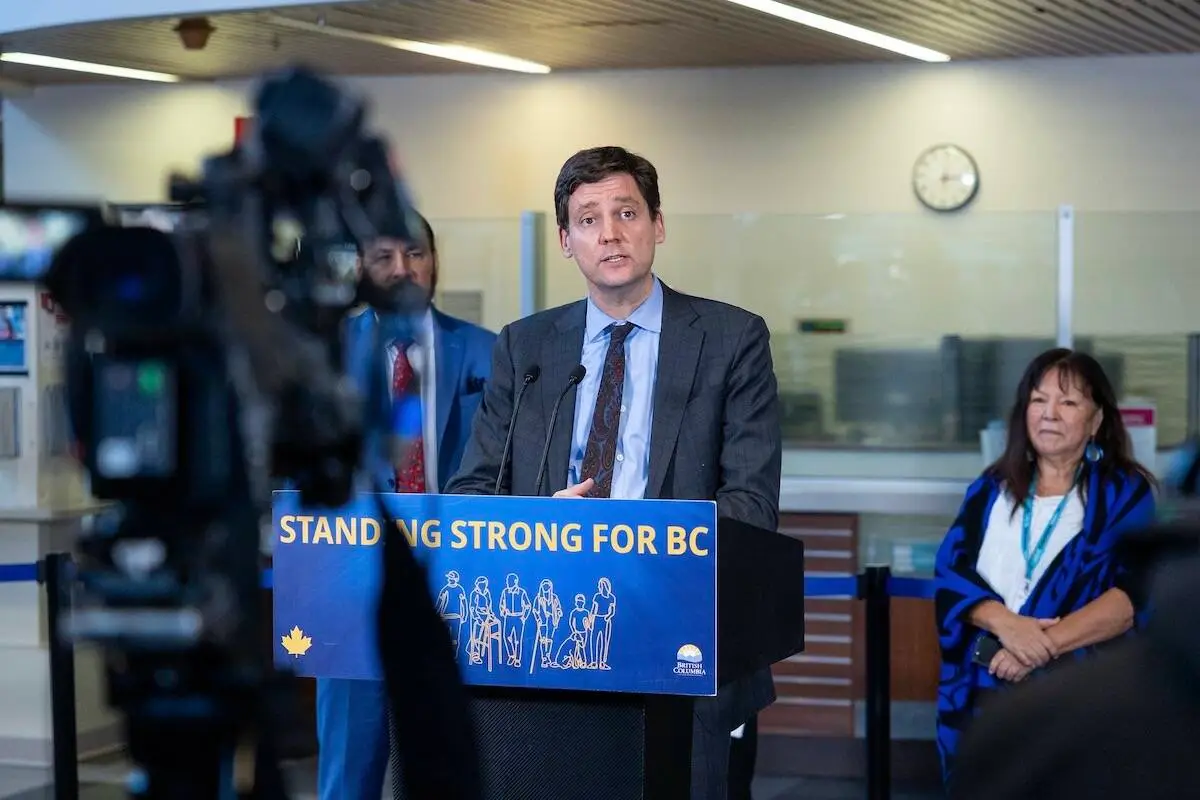
Premier David Eby said his government acknowledges the ruling and plans to review the law. While he sees need for amendments to clarify the law’s operation, he rejects a full repeal at this time.
Eby warned that repealing DRIPA could send a message that the province is backing away from reconciliation commitments. He said changes must be made carefully to avoid further uncertainty.
What This Means for B.C. Land, Law and Stability
By making UNDRIP rights legally enforceable under provincial law, the court ruling could reshape how land claims, resource development and mining permits are reviewed. Projects may face new legal and consultation requirements.
For property holders and industries, the ruling and subsequent political response create a period of uncertainty. Conservatives argue a repeal would restore clarity. Meanwhile Indigenous communities and rights advocates say the ruling corrects historical injustices and ensures accountability.
The coming weeks may see major political and legal debates. Whether DRIPA is repealed, amended, or left in place will shape B.C.’s path on reconciliation, resource development and Indigenous relations for years to come.
Stay updated instantly — follow us on Instagram | Facebook | X