
Refugee claims from extortion suspects
The Canada Border Services Agency has opened immigration investigations into 103 foreign nationals tied to B.C.’s ongoing extortion crisis. Among them, 15 extortion suspects in B.C. have made refugee claims that now sit before the Immigration and Refugee Board for hearings.
Officials stress that Canada must honour its international asylum obligations. Anyone who files a claim and meets basic eligibility rules has the right to have their case heard, regardless of the allegations swirling around them.
When refugee claims can be blocked
At the same time, CBSA notes it can move to bar a claimant if investigators believe the person is inadmissible on serious grounds. That includes suspected involvement in violent crime, organized criminality or terrorism.
If decision‑makers find a person inadmissible for those reasons, they issue a removal order. In that case, the individual cannot continue with a refugee claim and can be deported once legal avenues close.
Surrey mayor denounces “abuse” of the system
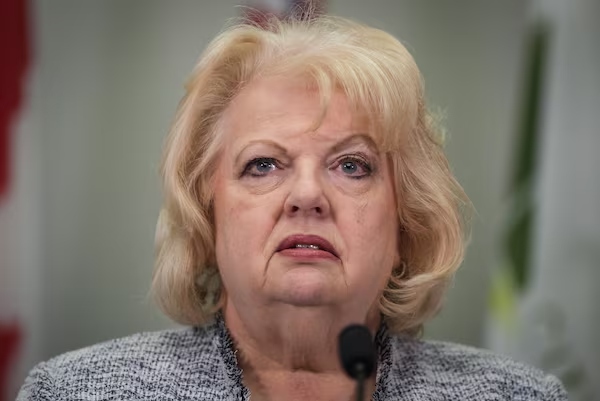
News that 15 extortion suspects in B.C. have made refugee claims drew a sharp response from Surrey Mayor Brenda Locke. She said she felt “appalled,” calling the claims an attempt to “evade deportation” by people accused of terrorizing local businesses.
Locke argued that residents and lawful newcomers deserve better than to watch alleged criminals use immigration rules to prolong their stay. She urged the federal government to “step up” and do more to keep international offenders out of Canadian communities, while emphasizing that Surrey remains proud of its diverse population.
Links to international gang and wave of violence
Police have linked some Lower Mainland extortion cases to the Lawrence Bishnoi gang in India, which Ottawa designated as a terrorist entity earlier this year. The province has recorded more than 100 suspected incidents since 2023, with many targeting South Asian–owned businesses in Surrey and nearby cities.
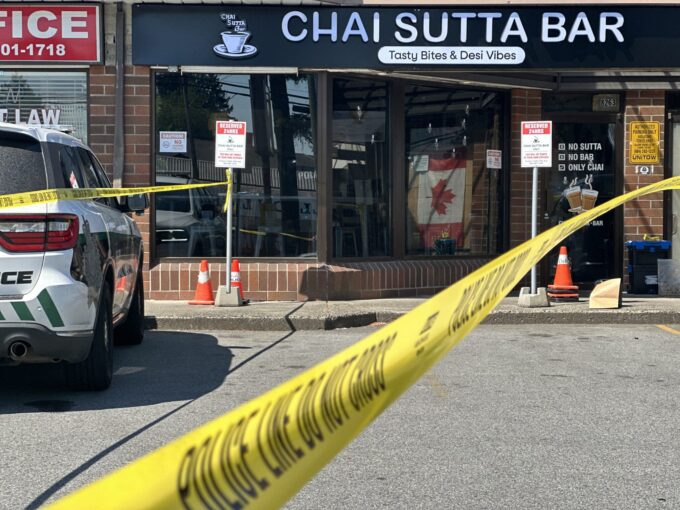
Owners report receiving threatening calls demanding payments that can reach into the millions. When they refuse, some have faced gunfire at their storefronts or deliberate arson attacks, raising fears across entire commercial districts.
How the task force and CBSA are responding
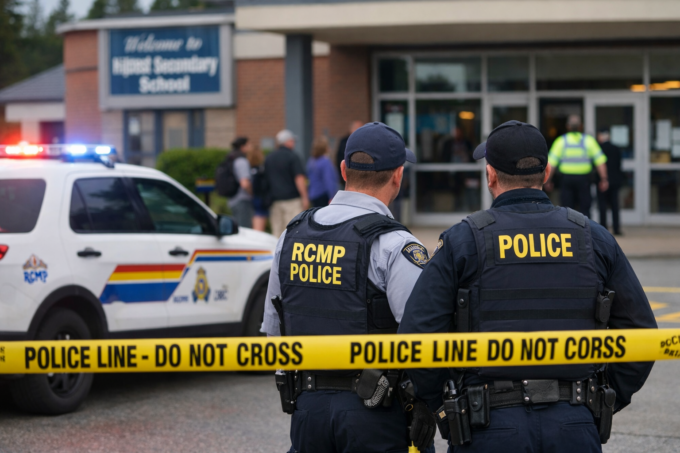
In September, authorities launched a 40‑member provincial extortion task force that pulls in officers from multiple agencies, including border officials. The group shares intelligence, tracks suspects and supports prosecutions tied to the growing list of cases.
CBSA plays a supporting role by reviewing the immigration status of people identified by the task force. Officers look for violations such as overstaying visas, breaching conditions or entering the country without authorization. The agency says it will keep working with partners to resolve files quickly, especially when 15 extortion suspects in B.C. have made refugee claims that may hinge on serious public‑safety concerns.
Stay updated instantly — follow us on Instagram | Facebook | X