
Long-Term Recovery Work Underway
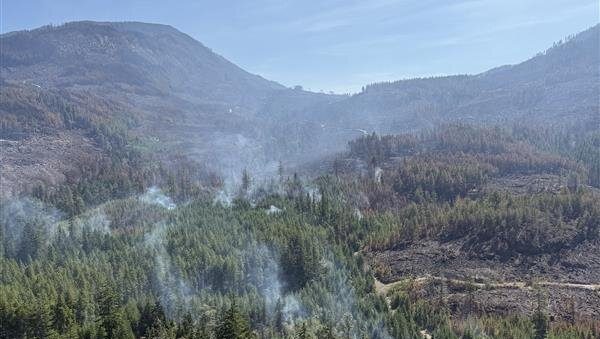
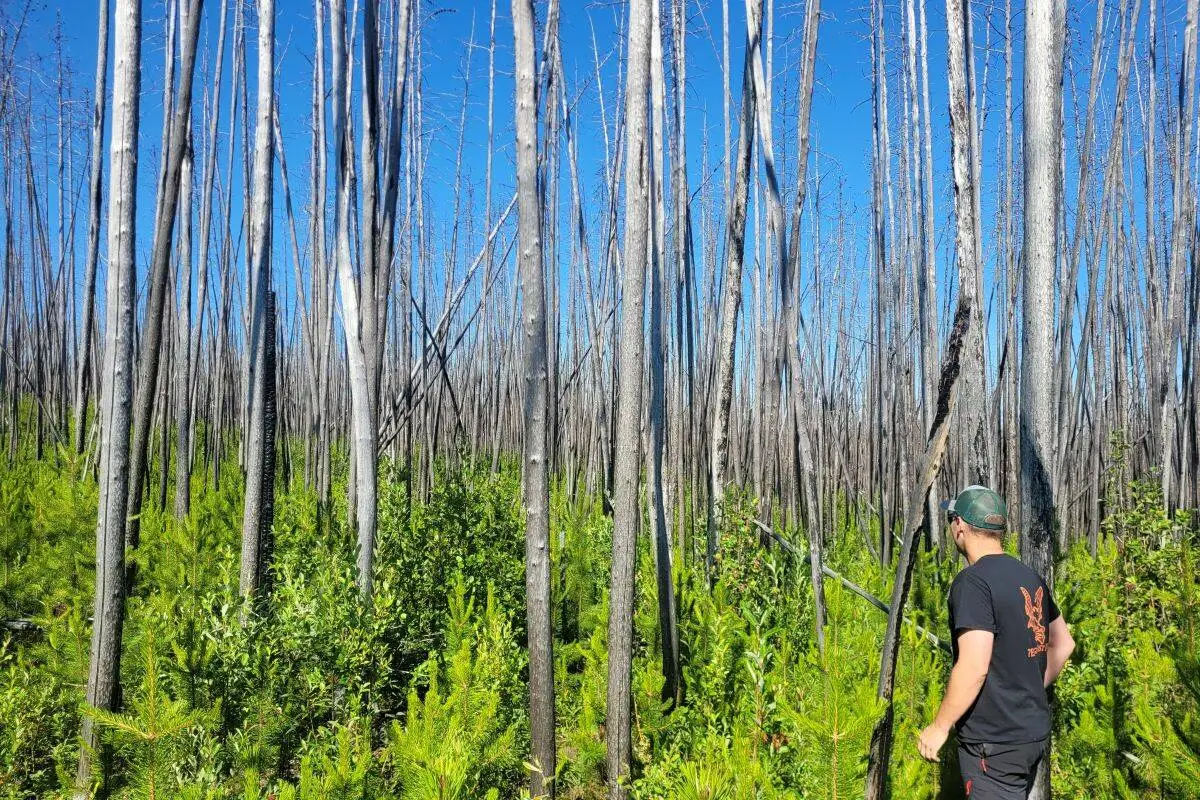
Landscapes in British Columbia that were severely affected by the 2017 wildfire season are now being actively rehabilitated after nearly a decade of sitting largely untouched. Central Chilcotin Rehabilitation (CCR) is leading work near Palmer Lake in the Cariboo-Chilcotin region, where catastrophic fires once left vast swaths of forest struggling to recover naturally.
The Palmer Project, which began in late 2024, brings together forestry expertise and Indigenous leadership to transform charred landscapes into healthier, more resilient forests. This approach focuses on reducing extreme fuel buildup, thinning dense stands, and encouraging natural growth that can better withstand future wildfire cycles.
Recovering Forest Health and Supporting Wildlife
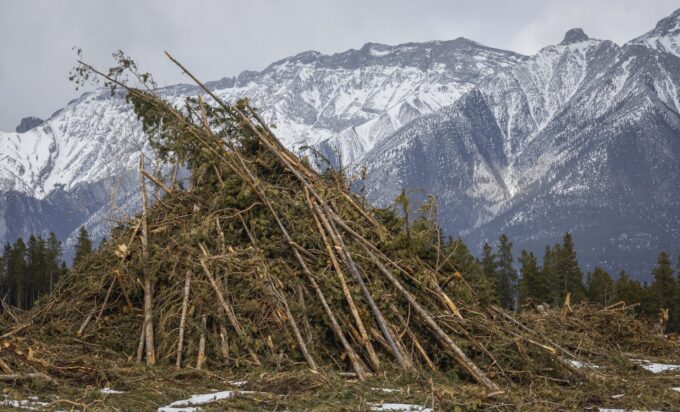
Under the rehabilitation work, crews remove dead and dying wood, thin crowded tree stands, and create conditions for new growth. These treatments help reduce fuel loads that can worsen wildfire severity, promote healthier vegetation patterns, and support wildlife habitat recovery. The project also enhances traditional land use opportunities for Indigenous communities by restoring areas used for hunting, gathering, and cultural practices.
A portion of the material salvaged from the burned forest is being directed to pulp mills and bioenergy facilities, providing economic value from wood that otherwise might have decayed. Early project results show substantial progress in rehabilitating affected hectares and recovering biomass that can be repurposed.
Collaboration and Future Outlook
The Palmer Project is supported by groups including the Forest Enhancement Society of British Columbia and Natural Resources Canada. Indigenous partners from Tŝideldel, Tl’etinqox, and Yunesit’in First Nations play central roles, guiding both ecological and cultural restoration efforts. Their leadership helps ensure that rehabilitation not only benefits forest health but also contributes to long-term community and environmental resilience.
As wildfires remain a persistent challenge in B.C., efforts like these highlight how targeted recovery work can help damaged lands heal, protect ecosystems and reduce risks from future severe fires. Rehabilitation work across the province continues with a mix of government, Indigenous, industry, and community involvement that aims to support both ecological and economic health.
Stay updated instantly — follow us on Instagram | Facebook | X