
Lab research alerts growers to crop threats
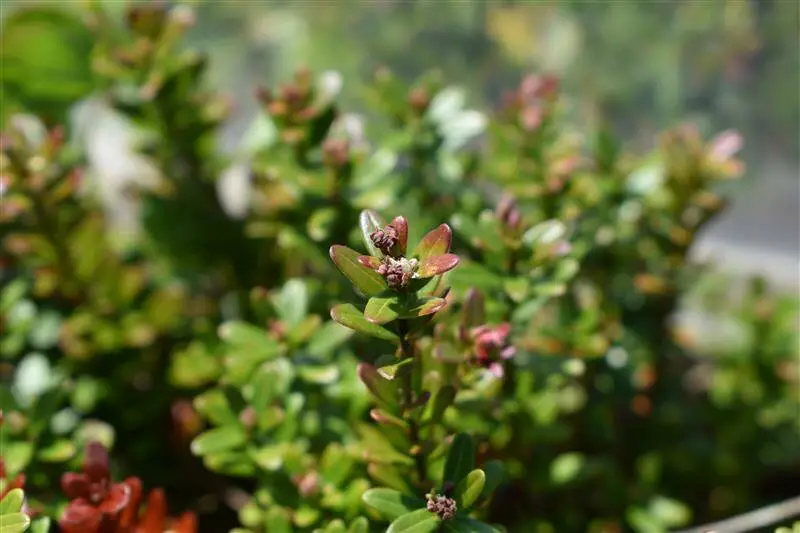
At the BERRI Lab at the University of the Fraser Valley, researchers are drawing attention to growing concerns for British Columbia’s cranberry industry this season and beyond. Their work looks at a range of factors that can put cranberry yields at risk, including pests, diseases and environmental stressors that affect plants, fruit quality and long-term productivity. The lab’s findings have resonated with producers who rely on healthy crops to sustain their businesses.
Cranberries need specific growing conditions and are vulnerable to several common pests such as spanworms, weevils and flea beetles, which feed on leaves, blossoms and fruit if not properly managed. Growers must remain vigilant for symptoms of pest pressure and intervene early with cultural or chemical controls to protect vines and maintain harvest quality.
Disease and environmental issues adding pressure
Beyond pests, cranberries are susceptible to diseases like leaf spots and fruit rots that can weaken vines and reduce yields if conditions are favourable for fungal growth. These illnesses often emerge when plants are stressed by weather extremes or poor drainage, making monitoring and timely treatment essential for growers.
Climate patterns and environmental changes also complicate production because cranberries have tight ecological requirements. For example, warming temperatures and precipitation shifts can affect plant growth cycles and berry development, forcing growers to adapt practices to maintain resilience in the face of changing conditions.
Focus on research and industry support
Researchers and industry stakeholders are working to build knowledge and share best practices to help farmers stay ahead of these threats. Part of this work involves ongoing studies at research farms and outreach through commodity groups to educate growers about emerging risks, new pest management strategies and varietal trials aimed at increasing crop resilience.
Growers are encouraged to closely monitor fields, adopt integrated pest management approaches, and stay informed about research updates that could safeguard the future of the provincial cranberry sector amid evolving risks. This proactive stance aims to support both current production and long-term viability in a challenging agricultural landscape.