
Uncertainty Looms as Decriminalization Pilot Nears End
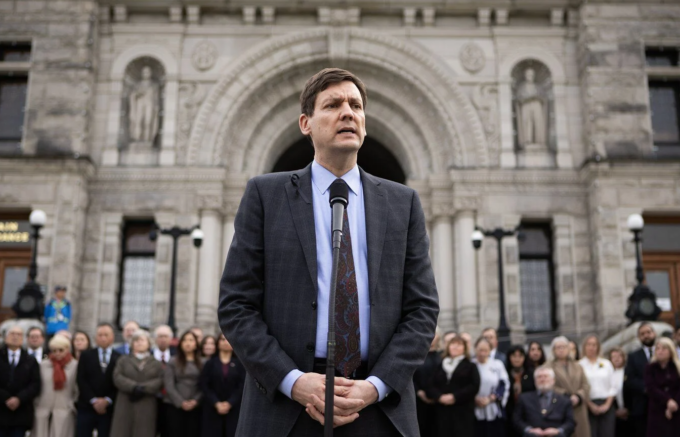
As the January 31 expiry of British Columbia’s three-year drug decriminalization pilot draws near, Premier David Eby has so far offered little detail on what will replace the experiment. The program, first introduced in 2023, removed criminal penalties for small amounts of illegal drugs for personal use but has been a source of ongoing debate.
Premier Avoids Specifics on Future Policy
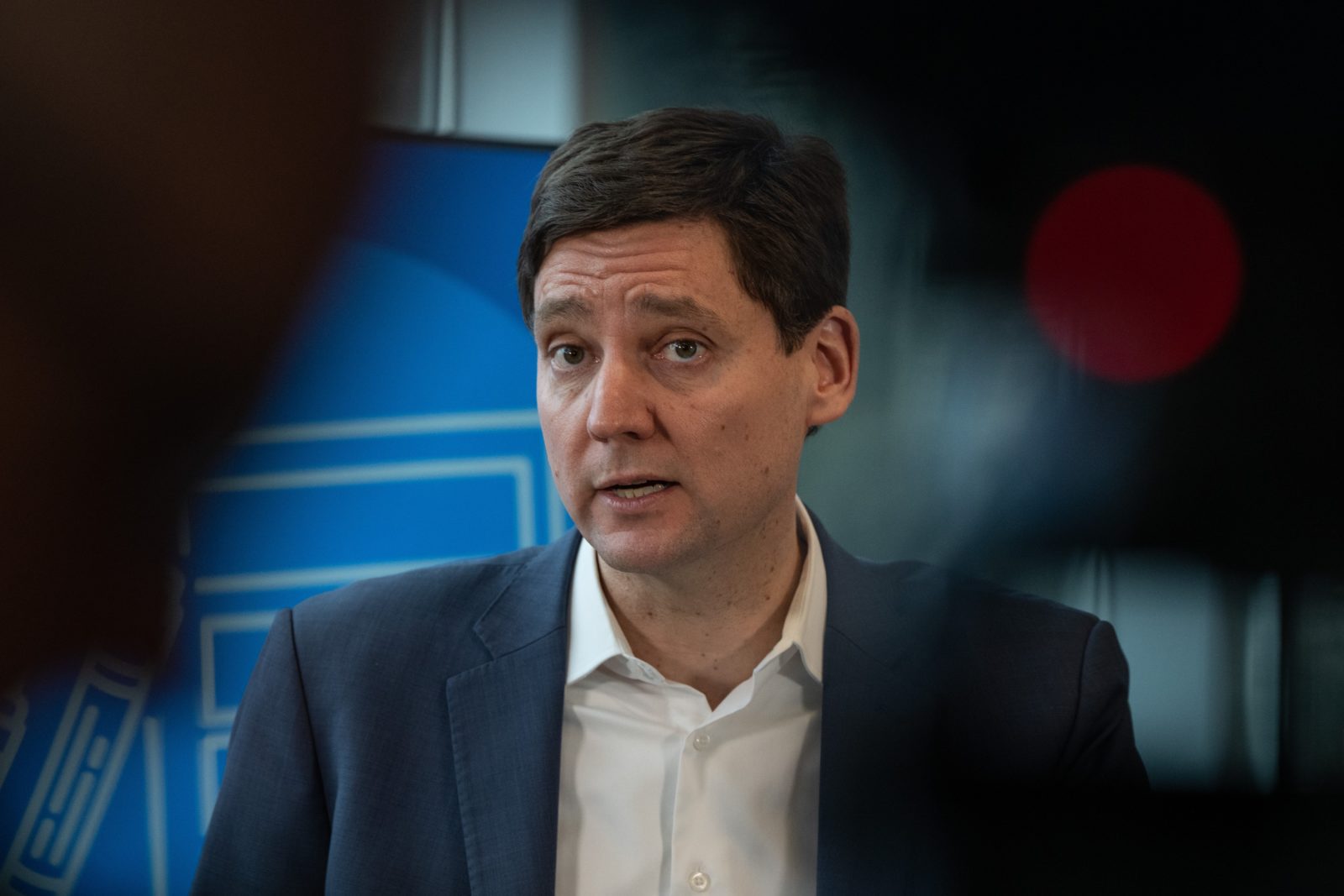
When pressed this week about plans after the pilot ends, Eby declined to outline concrete next steps. Instead, he reiterated that the province does not intend to return to the previous approach of broadly decriminalized public drug use, saying that it “didn’t work” and was ended. However, he declined to offer details on what new measures might look like or how enforcement and support services will function in the future.
Eby added that discussions with the federal government are ongoing and that more information will be shared “soon,” leaving uncertainty about the shape and timing of upcoming policy changes.
Origins and Criticism of the Trial
The decriminalization pilot began in January 2023 with a Health Canada exemption that allowed adults to possess small amounts of hard drugs without arrest or prosecution, a move intended to reduce stigma and direct more people toward health services. Although proponents argued it would save lives, critics linked it to a rise in visible street drug use and associated public safety concerns.
In response to mounting backlash, the province tightened rules in 2024 to ban illicit drug use in many public areas, shifting enforcement toward treatment and private spaces while still resisting a full return to past criminalization.
Reactions Reflect Deep Divide
Opposition voices and some municipal leaders have seized on the lack of clarity about future plans, calling for more decisive action either to fully reinstate criminal penalties or to introduce robust support and treatment options. Meanwhile, advocates for harm reduction warn that abandoning supportive policies without a clear alternative could worsen ongoing public health challenges tied to toxic drug supplies and overdose deaths.
The provincial government’s next move will be watched closely by communities, law-enforcement officials, public-health experts, and people directly affected by addiction, as the future of drug policy in British Columbia enters a critical transition point.
Stay updated instantly — follow us on Instagram | Facebook | X