
Snow Levels Across B.C. Show Early-Season Strength
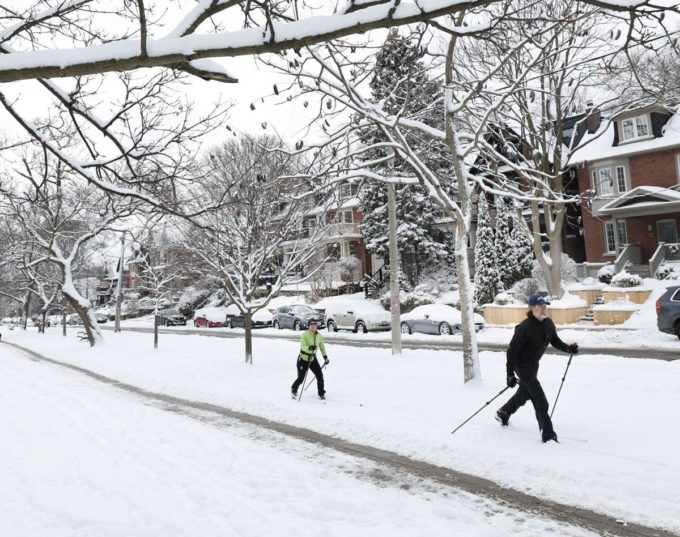
New data from the first snow survey of the year indicates that snowpack across much of British Columbia is slightly higher than what is normally expected for early January. The findings offer a generally positive sign for winter water supply and mountain conditions as the season continues.
Officials compiled the Jan. 1 snow measurement results in the province’s Snow Survey and Water Supply Bulletin, which was released this week. When averaged across the province, snowpack currently sits at about 107 per cent of normal for this time of year, reflecting stronger accumulation compared with last season.
Regional Variations Highlighted in Report
Despite the overall above-average figure, there are notable differences across regions. Parts of the Central Coast, Similkameen and Nechako areas are well above typical snow levels, with some basins showing more than 140 per cent of their usual snowpack. These deeper snowpacks can help support water reserves later in spring and summer.
At the same time, Vancouver Island and the South Coast continue to experience lower-than-normal snow depths, with those areas showing significantly reduced accumulation compared with the provincial average.
Early January Patterns and Weather Influence
Meteorologists and hydrologists point out that early-season storms in October through December helped push snowpack totals up ahead of what would normally be expected by Jan. 1. A mix of moderate storm systems and seasonal precipitation through December also contributed to these above-normal figures.
Forecasters continue to monitor conditions, noting that La Niña patterns this winter often bring increased snowfall to interior and northern parts of the province, even as coastal zones remain warmer and wetter rather than snowier.
What It Means for Water Supply and Recreation
A healthy snowpack is important for water storage that feeds rivers, reservoirs and ecosystems later in the year. The current accumulation suggests that areas with deeper snow may see more stable water levels once snowmelt begins in spring, though conditions can still change as winter progresses.
Recreation sectors such as skiing and snowmobiling may also benefit from strong snowpack in interior regions, even if coastal lowlands and island areas remain below average. Weather officials say they will keep tracking snowfall and snowpack changes as the season unfolds.
Stay updated instantly — follow us on Instagram | Facebook | X