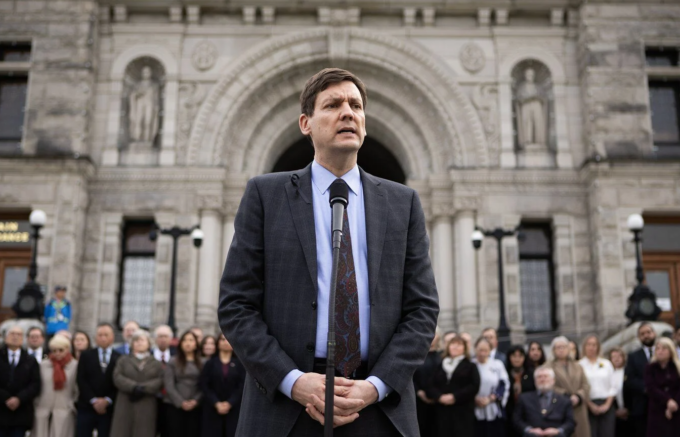

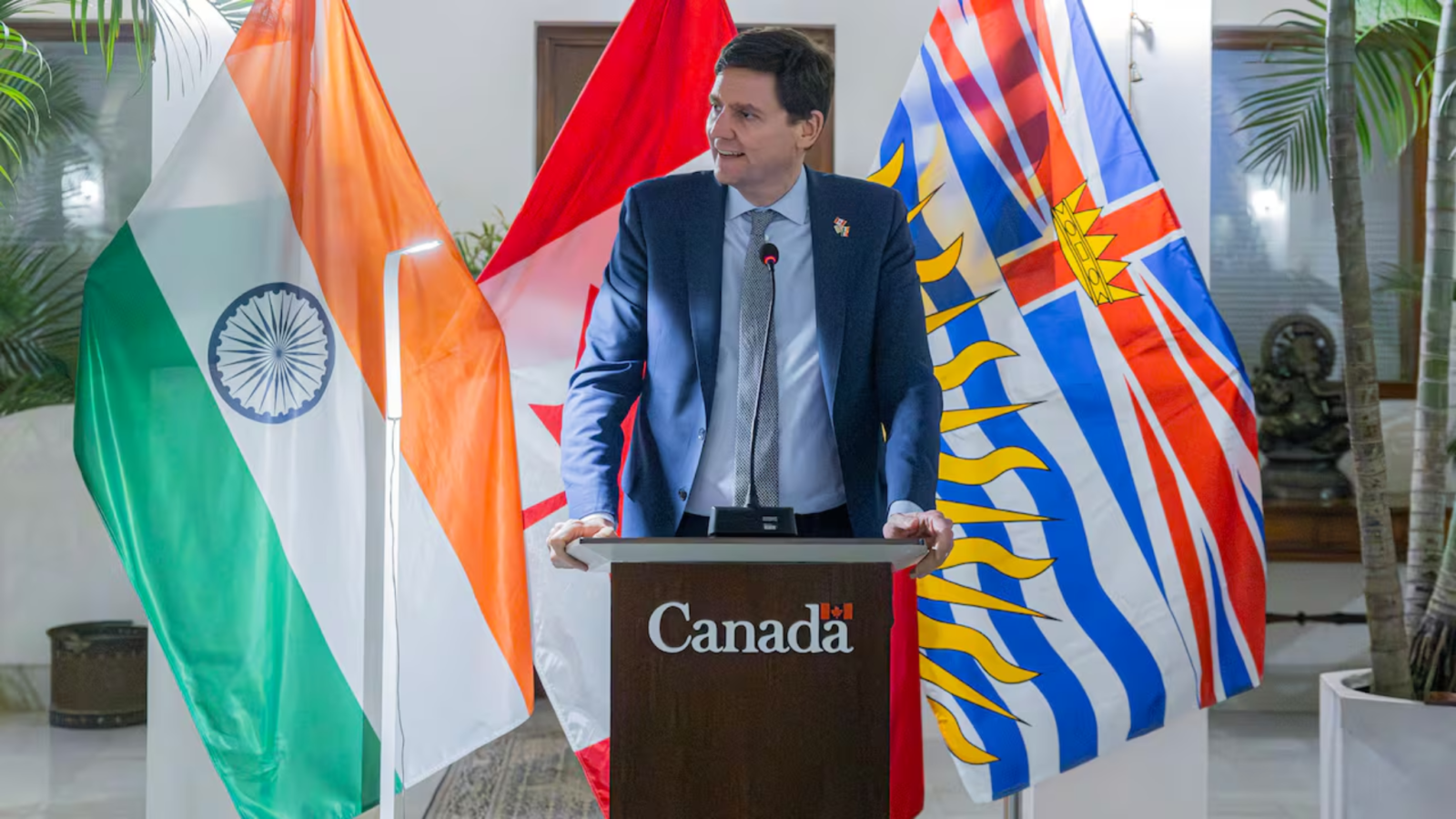
British Columbia Premier David Eby wrapped up a six-day trade mission to India this week, saying economic opportunities outweighed diplomatic tensions that would have stalled such a visit just a year ago.
Speaking to CBC News in Mumbai, Eby said his goal was to meet as many potential partners as possible and promote British Columbia’s natural resources. He said interest from Indian companies, particularly in mining, exceeded expectations.
“Without a doubt, there’s huge interest in the mining activity in British Columbia,” Eby said, pointing to demand for critical minerals such as nickel and copper.
Trade pressure from U.S. tariffs
Both Canada and India are seeking new trade partners as they face steep tariffs from the United States under President Donald Trump.
India’s exports to the U.S. are now subject to tariffs as high as 50 per cent, partly linked to its purchases of discounted Russian oil. Meanwhile, British Columbia’s softwood lumber industry continues to struggle under duties of about 45 per cent.
“The Russians have better access to the U.S. market than British Columbians do right now,” Eby said.
Navigating strained Canada-India relations
The trade mission comes amid lingering diplomatic strain between Canada and India following Ottawa’s allegations that Indian government agents were involved in the killing of Sikh activist Hardeep Singh Nijjar in Surrey, B.C., in 2023. The criminal case remains ongoing.
Eby said it is possible to pursue trade while still raising concerns about transnational repression. However, he stressed that sensitive diplomatic discussions should be handled at the federal level.
“There’s a criminal trial process going on,” he said. “But also we need to make sure that we’re protecting ourselves economically.”
India’s clean energy focus
During meetings with Indian executives, Eby said the strongest interest centred on raw materials rather than liquefied natural gas. He said Indian firms are focused on reducing energy imports and accelerating the transition to clean energy.
“They need nickel, they need cobalt, they need lithium, and they need copper,” Eby said, noting that all are produced in British Columbia.
Eby also said he was struck by India’s economic confidence. India recently became the world’s fourth-largest economy and continues to post annual growth of around seven per cent.
That momentum has attracted global attention. German Chancellor Friedrich Merz visited India the same week as Eby, while European Union leaders are expected later this month for Republic Day celebrations, where a new trade deal is anticipated.
Strategic autonomy and shifting alliances
India’s foreign policy has long emphasized strategic autonomy, allowing it to pursue partnerships based on national interest rather than fixed alliances. Recent trade agreements with the U.K. and the United Arab Emirates reflect that approach.
The premier’s trip followed similar outreach by Ontario Trade Minister Vic Fedeli and Saskatchewan Premier Scott Moe, as Canadian provinces independently seek economic opportunities in India.
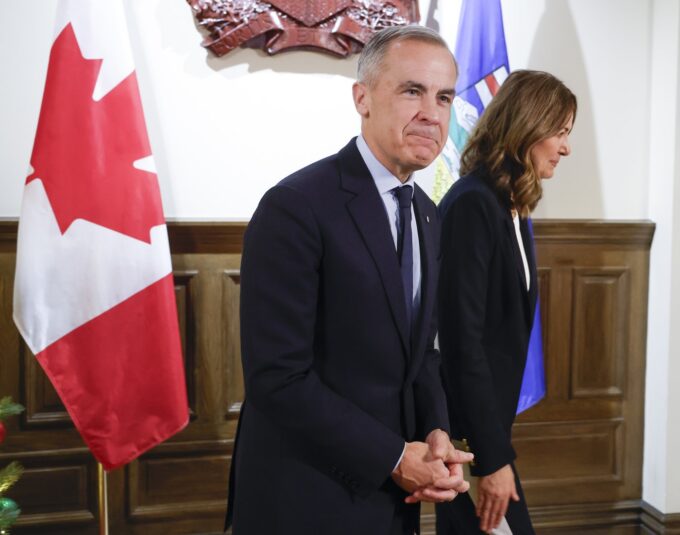
Canada’s federal government has also signalled a more pragmatic trade stance. Prime Minister Mark Carney recently invited Indian Prime Minister Narendra Modi to the G7 summit in Alberta and signed trade-related agreements with China during a separate visit.
A changing global landscape
Political analyst Sanjay Ruparelia said the warming of Canada-India relations had its own momentum, but pressure from U.S. trade policy accelerated the process.
“The threats posed by Donald Trump to both economies have pushed this faster,” Ruparelia said.
He added that Canada appears to be adopting aspects of India’s flexible foreign policy approach, sometimes described as “variable geometry,” a term Carney referenced in a recent essay.
“It’s not language we would have heard from a Canadian prime minister two years ago,” Ruparelia said. “That tells you how much the world has changed for Canada.”
As Eby’s visit concluded, the premier said the mission underscored a new reality: economic resilience now requires engagement even where political disagreements persist.
Stay updated instantly — follow us on Instagram | Facebook | X