
Canada boosts the GST credit by 25% to fight soaring grocery prices, offering direct relief to millions of low- and modest-income households.
A Grocery Aisle Announcement With a Clear Message
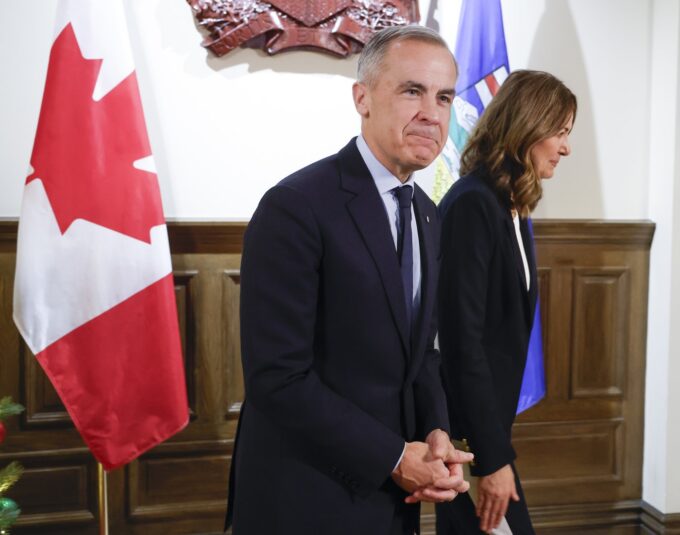
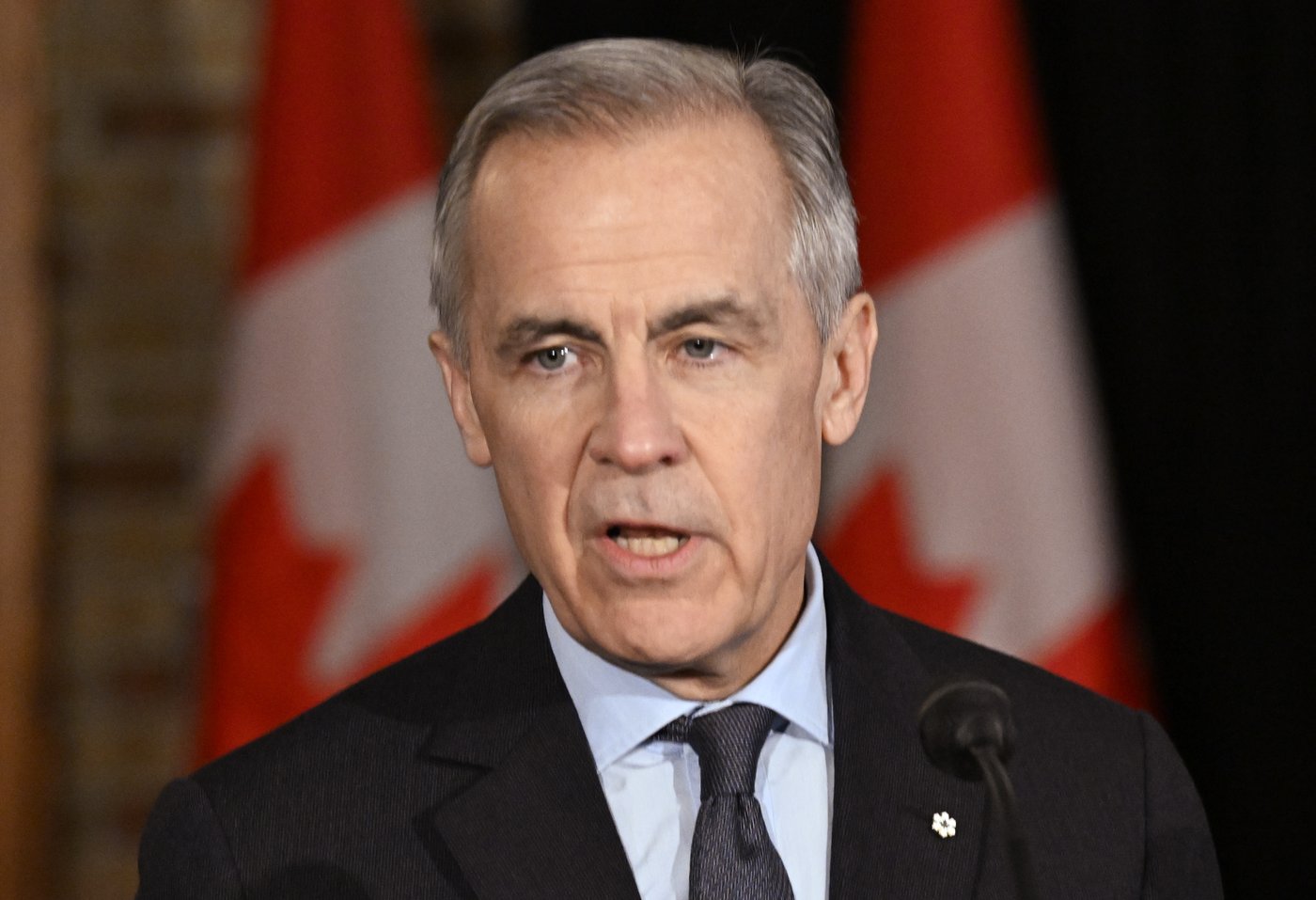
Standing inside an Ottawa grocery store, Prime Minister Mark Carney delivered a message many Canadians have been waiting to hear: help is on the way. As food prices keep climbing, the federal government plans to increase the GST credit by 25 per cent to ease pressure on household budgets.
The temporary increase, called the Canada Groceries and Essentials Benefit, begins this July and will run for five years. Right away, it aims to put more money back into the pockets of people who feel grocery inflation the most.
Who Gets More—and How Much
To start strong, Ottawa will send a one-time payment worth half the boosted credit later this year. After that, higher quarterly payments will follow.
According to government estimates, a family of four could receive up to $1,890 in 2026, then about $1,400 each year for the next four years. Meanwhile, a single adult may collect up to $950 this year, followed by roughly $700 annually after that.
Because the GST credit already supports low- and modest-income Canadians, the expanded benefit should reach more than 12 million people nationwide.
Why Ottawa Says Action Is Needed Now
Food costs have stayed high longer than expected. Carney pointed to pandemic fallout, fragile supply chains, global trade disputes, and climate-related disruptions as key drivers. As a result, everyday essentials keep taking a bigger bite out of paycheques.
Importantly, lower-income households spend a larger share of their income on food. Therefore, even small price hikes hit harder. The GST boost, Carney said, helps restore balance by returning more sales tax to those who need relief the most.
The Price Tag—and the Bigger Plan
In the first year alone, the GST top-up will cost about $3.1 billion. Over five years, analysts at Desjardins estimate the total bill could reach $10.5 billion. Still, the government argues the cost is justified given the scale of the affordability challenge.
Beyond direct payments, Ottawa plans to invest $650 million to help businesses manage supply chain disruptions, which should reduce pressure to raise prices. At the same time, food producers may benefit from new tax rules allowing faster write-offs for greenhouse investments, encouraging more domestic production.
Tackling Food Banks, Shrinkflation, and Competition
The affordability push does not stop at rebates. Ottawa will add $20 million to the local food infrastructure fund to support food banks facing record demand.
In addition, the Liberals want clearer unit-price labelling on shelves so shoppers can spot shrinkflation more easily. They also plan to strengthen the Competition Bureau, aiming to increase rivalry in the grocery sector and keep prices in check.
What This Means for Shoppers
While grocery bills will not drop overnight, more cash should arrive soon for millions of Canadians. For families juggling rent, utilities, and food, that support could make a real difference at the checkout.
Ultimately, Carney framed the move as practical relief, not a quick fix. Food prices may stay volatile, yet for now, Ottawa is betting that a bigger GST rebate can help Canadians breathe a little easier.
Stay updated instantly — follow us on Instagram | Facebook | X