
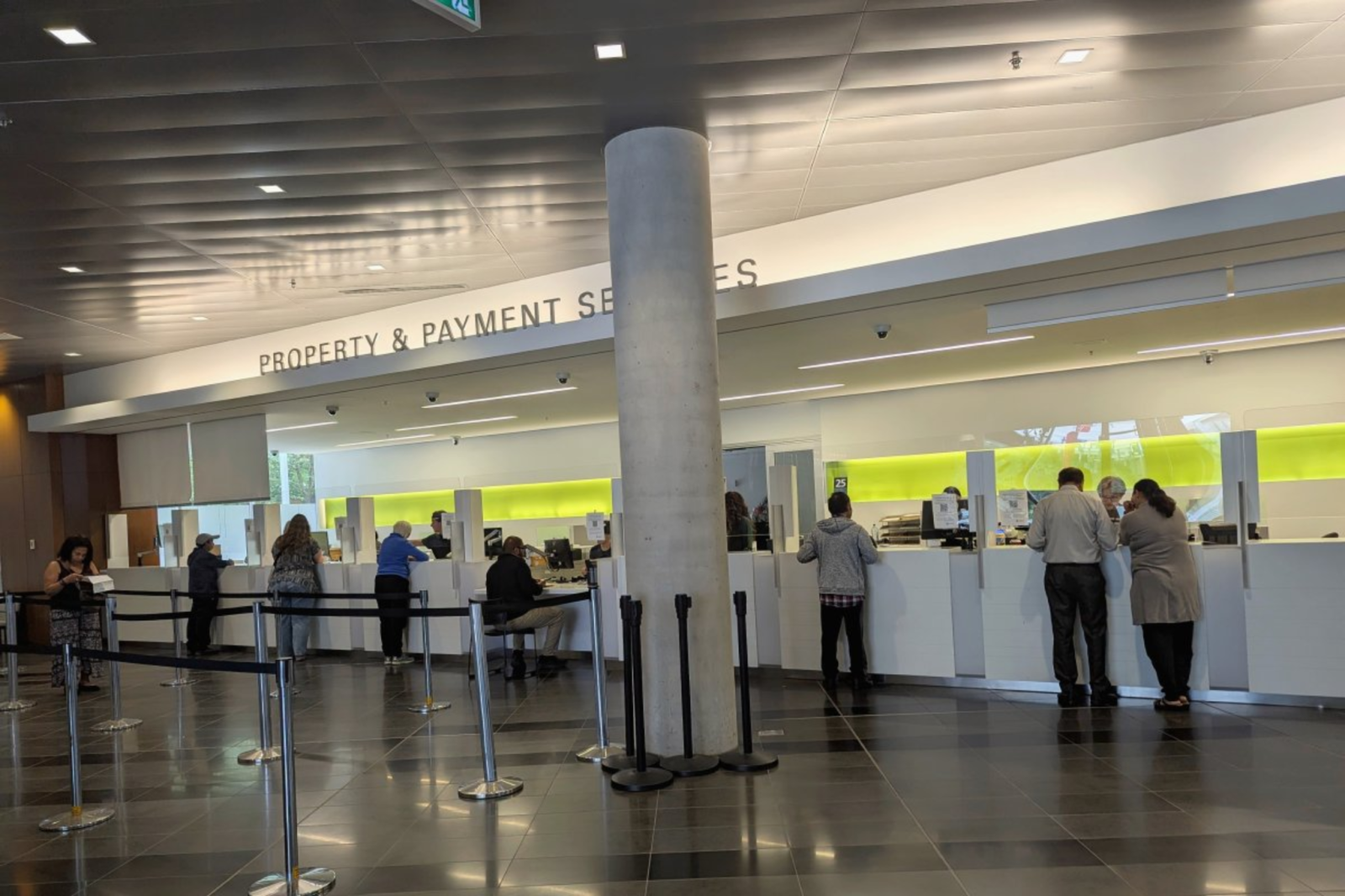
Surrey residents will see higher utility bills next year after city council approved a new round of rate increases covering water, sewer, drainage, solid waste and district energy services.
Council voted Monday evening to raise water rates by 5.3 per cent in 2026, alongside a 1.37 per cent increase in sewer rates. Charges tied to drainage, dyking and flood protection will rise by 1.5 per cent, while solid waste rates will increase by 1.2 per cent. District energy customers will face the largest hike, with rates set to climb by 6.4 per cent.
The decision follows an earlier vote by council sitting as Surrey’s finance committee, after a public hearing and presentation of the city’s five-year financial plan.
Councillors emphasized that the increases are tied to the rising cost of delivering essential services in one of Canada’s fastest-growing cities.
“Providing reliable water, sewer and sanitation services is a core responsibility of local government,” Coun. Doug Elford said during debate. “As the city grows, so does the infrastructure needed to support it.”
Impact on households and businesses
According to city estimates, the average metered single-family household will pay about $25 more annually for water in 2026. Metered commercial customers can expect increases of roughly $140, while non-metered residential properties will see an average rise of about $57.
Sewer charges will also edge upward, adding approximately $10 per year for metered single-family homes and about $56 for metered commercial properties.
Drainage and flood-protection charges for residential and agricultural properties will rise to $250.71, while commercial and industrial parcels will be charged $613.06.
Solid waste rates will increase modestly across all customer categories, including single-family homes, secondary suites and apartment buildings.
Regional costs driving increases
City staff say much of the pressure comes from rising fees charged by Metro Vancouver, which supplies bulk water and wastewater treatment services. Metro Vancouver water rates increased by more than six per cent this year, with further annual increases projected over the remainder of Surrey’s five-year financial plan.
Sewer costs are expected to rise even faster, with regional rates forecast to increase by more than nine per cent annually over the next four years.
Solid waste costs are also climbing, as Metro Vancouver’s tipping fees are set to increase again in 2026 and in subsequent years.
The increase to Surrey’s district energy rates is tied to higher natural gas prices, following a rate hike by FortisBC.
More increases not ruled out
Surrey residents have seen utility rate increases in each of the past three years, and city officials caution that regional cost pressures are likely to persist.
Council also confirmed that parking fees across the city are under review, with future adjustments expected to reflect market demand and time-of-day usage.