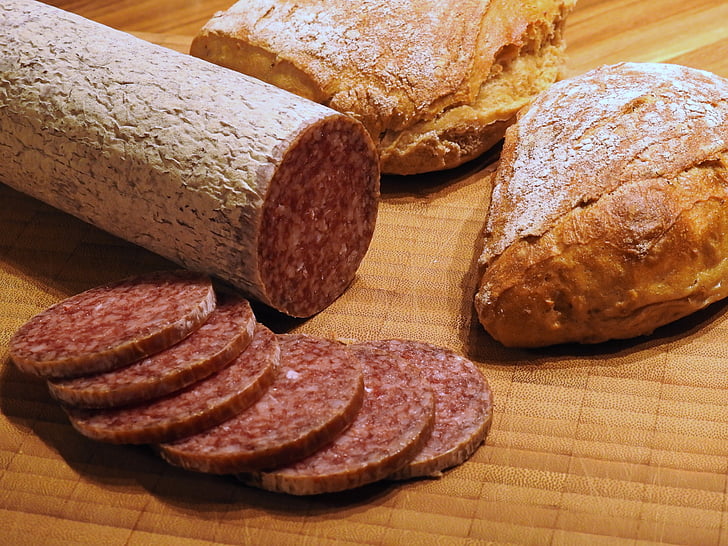
New studies suggest avoiding processed red meat and adopting diets like MIND or DASH can significantly reduce dementia risk across age groups and backgrounds.
What New Research Reveals About Dementia Prevention
A growing body of research suggests that limiting processed red meat in your diet may significantly lower your risk of developing dementia. According to findings published in the Neurology Journal, data from over 133,000 participants revealed a strong link between the long-term consumption of processed red meat—such as bacon, hot dogs, sausages, and beef jerky—and cognitive decline, including an elevated risk of dementia.
The research adds to a growing consensus that dietary habits play a critical role in long-term brain health.
How Diet Can Influence Brain Function
The Neurology study isn’t alone in its conclusions. Researchers from the American Society for Nutrition have found that adhering to diets like the Mediterranean-DASH Intervention for Neurodegenerative Delay (MIND) or the DASH (Dietary Approaches to Stop Hypertension) diet can help protect against cognitive decline.
These dietary patterns are rich in vegetables, leafy greens, whole grains, nuts, and healthy fats—ingredients associated with better heart health and lower blood pressure, both of which are closely tied to brain health.
Why Processed Meat Poses a Risk
Processed red meat often contains preservatives like nitrates and high levels of saturated fat, which are known to cause inflammation and oxidative stress—both factors linked to cognitive aging and dementia. Regular consumption may impair memory and concentration over time, according to researchers.
By contrast, diets that include healthier proteins like fish, legumes, and poultry, and emphasize plant-based nutrients, have shown protective effects on the brain.
When Dietary Changes Make the Biggest Impact
The good news: it’s never too late to make a change. Professor Song-Yi Park of the University of Hawaii at Manoa emphasized that even participants who adopted healthier diets later in life saw meaningful benefits.
“Healthy dietary patterns in mid to late life—and their improvement over time—may prevent Alzheimer’s and related dementias,” she said. Participants who consistently followed or gradually improved their adherence to the MIND diet over a decade had a 25% lower risk of developing dementia compared to those who did not.
Where These Diets Come Into Play
The MIND diet, a blend of Mediterranean and DASH principles, isn’t rigid but recommends foods like:
- Leafy greens and raw vegetables
- Legumes
- Fish (especially oily varieties like sardines)
- Nuts and fruit
- Olive oil
- Limited red or processed meat (less than 100g per day)
Meanwhile, the DASH diet also emphasizes:
- Low-fat dairy
- Whole grains
- Poultry and fish
- Beans and vegetable oils
- Reduced salt, sugar, and saturated fat intake
How Canadians Can Start Protecting Their Brain
Experts suggest that the average Canadian can reduce dementia risk by starting small: cutting back on processed meats and sugary foods, and gradually increasing their intake of brain-boosting foods. There’s no one-size-fits-all meal plan, but the message is clear—consistency and balance are key.
As Canada’s aging population grows, adopting evidence-based dietary habits now could offer not just longer lives—but sharper minds.