
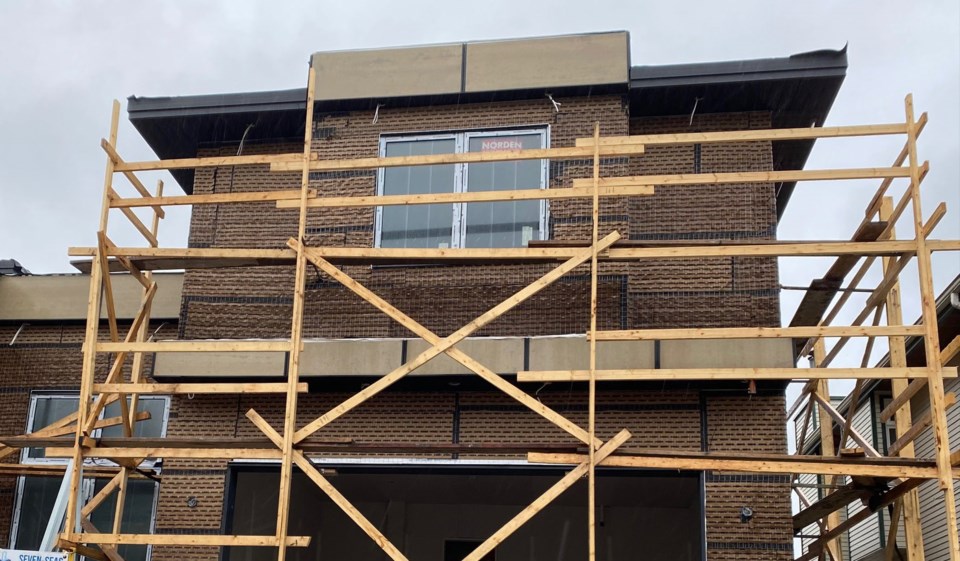
Surrey rejects Metro Vancouver’s Special Study Area proposal, calling for Urban Containment Boundary changes to ease housing and job growth pressures.
Surrey Rejects Metro’s Special Study Area Plan
Surrey has drawn a clear line in the sand.
City council has declined Metro Vancouver’s proposal to create a “Special Study Area” within its boundaries. Instead, local leaders say the plan misses the mark and fails to deliver what Surrey truly needs: greater control over land-use decisions and more flexibility to respond to rapid growth.
The decision follows a staff recommendation that concluded the proposed option would not solve the city’s concerns. Simply put, Surrey wants more autonomy—not another layer of regional oversight.
A Growing Region, A Growing Frustration
Surrey, along with Delta and the Township of Langley, sits at the heart of the region’s future growth. In fact, the three South-of-the-Fraser communities are expected to absorb much of Metro Vancouver’s population and job expansion in the coming years.
However, city leaders argue that the current Urban Containment Boundary (UCB) limits the land available for development. As a result, they warn that sticking with the status quo could worsen housing shortages, stall industrial growth, and weaken transportation investments.
Last year, Surrey Mayor Brenda Locke joined Delta Mayor George Harvie and Langley Township Mayor Eric Woodward in urging Metro Vancouver to rethink its approach.
Their message was direct: the current system is too rigid and too slow.
What Changes Are Being Requested?
The three mayors have proposed several key changes to Metro 2050, the region’s long-term growth strategy:
- Allow targeted UCB expansions without full regional involvement
- Reclassify UCB amendments so they require only a simple majority vote
- Introduce a “minor realignment” process for small, site-specific boundary changes
Currently, UCB amendments require a weighted two-thirds vote from the Metro board. Leaders argue that this high threshold makes adjustments difficult—even when local needs are urgent.
Therefore, they believe a streamlined process would better match the pace of growth south of the Fraser River.
Metro’s Response: Special Study Areas
In response, Metro Vancouver staff outlined several options. One proposal involved designating new Special Study Areas in Surrey, Delta, and Langley Township.
Additionally, staff suggested expanding amendment opportunities for properties next to the UCB or making greater use of a so-called “Flexibility Clause.”
However, Surrey staff say meaningful collaboration has been lacking. While Metro sought feedback on the Special Study Area option, other possible solutions were not fully developed in partnership with the city.
Consequently, Surrey council determined the proposal does not address its core concerns.
Pre-Consultation Still Underway
Metro Vancouver has emphasized that these amendment options are part of an engagement process. Pre-consultation is required under Metro 2050, and all member municipalities will have an opportunity to provide feedback.
Earlier, Metro also floated a one-time offer. The idea would have allowed the three municipalities to identify specific properties for potential changes, even before final details were confirmed.
Yet Delta staff noted that such a move would not solve the broader issue: the need to streamline the overall amendment process.
What Happens Next?
The debate highlights a growing tension between regional planning goals and local autonomy.
On one hand, Metro Vancouver aims to manage growth carefully. On the other, fast-growing cities argue they need faster tools and clearer authority to meet housing and economic demands.
For now, Surrey’s position is firm. The Special Study Area proposal does not go far enough.
And as growth pressures mount, the push for Urban Containment Boundary reform is unlikely to fade anytime soon.