

A key arrest in Coquitlam helped unlock a long-stalled Surrey shooting investigation, despite police delays and a judge’s sharp rebuke over evidence handling.
A Small Arrest, Big Legal Ripples
A routine weapons arrest in Coquitlam unexpectedly became a central turn in a sprawling Lower Mainland shooting investigation — even as a Supreme Court judge openly criticized police for delays and missteps that could have undermined the case.
The suspect, identified in court only by his initials T.O., was picked up in Coquitlam late in January 2024 on a weapons charge. Two cellphones were seized at the time — devices that, it turns out, might contain key evidence linking him to a surrey shooting on January 1, 2024 that had long frustrated investigators.
However, what should have been a simple evidence‑gathering step turned into a legal battleground. Court filings show that police let earlier authority to hold the cellphone data lapse because of prolonged delays and oversight.
Judge Lashes Out at Unexplained Delays
In written reasons made public in early February, B.C. Supreme Court Justice Eric Gottardi didn’t mince words about how police handled the investigation. While acknowledging the seriousness of the underlying offences, he described police failures as “inexplicable” and warned that the investigation skirted dangerously close to breaching legal rights.
Justice Gottardi reluctantly agreed to the Crown’s request to continue holding the cellphone data until April 1, 2026, but stopped short of granting a full four‑month extension that prosecutors sought. In his view, investigators had not acted with the thoroughness and professionalism expected in such serious matters.
He stressed that data stored on electronic devices is intensely personal, and courts must be careful to protect privacy and legal rights — particularly when delays in examining and extending seizure orders are avoidable.
Linking the Dots: Surrey Shooting and Cellphone Evidence
The shooting at the heart of this tangled legal drama happened in Surrey on a residential street just after midnight on New Year’s Day 2024. Two people were sitting in a parked black Mercedes when occupants of a white vehicle allegedly fired shots, striking one of them. Police later found the suspect vehicle — a white Dodge Caliber — ablaze nearby.
Investigators collected DNA evidence from cigarette butts found at the car scene, and, by coincidence, a Coquitlam RCMP arrest on unrelated charges wound up producing two cellphones that could be tied into the larger shooting probe.
However, the handling of those phones sparked legal issues. Police waited a lengthy period before seeking prolonged judicial authority to keep the devices and extract data, and earlier court orders lapsed. That delay prompted the judge’s caustic remarks.
Police and Investigators Push Back
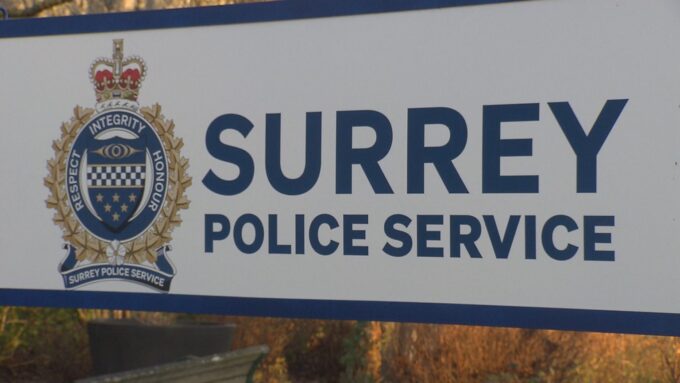
Despite the judge’s criticism, law enforcement officials argue the overall investigation remains legitimate and important. A Staff Sergeant with Surrey Police Service disputed some of the judge’s statements about who held the seized items and how the process unfolded, suggesting that some of the court’s reasoning contained factual errors.
Still, legal experts note that even small evidence handling lapses can jeopardize complex criminal investigations — especially when privacy rights and Charter protections are involved.
What This Means for the Broader Case
This courtroom tussle underscores a broader pressure point in B.C.’s justice system: the balance between effective investigation of violent crime and strict procedural protections that guard individual rights. It also highlights how interconnected police work across jurisdictions — such as Surrey and Coquitlam — can create unexpected leads and legal challenges.
While the judge allowed the continued detention of the phone data temporarily, the defence could renew legal challenges, potentially affecting how much of that evidence is admissible down the line. Defence lawyers often argue that unreasonable delays in reviewing and renewing seizure orders can violate constitutional protections against unreasonable searches and seizures.
For now, investigators say they need the cellphone information to pursue leads in the shooting case, and the judge’s decision allows them a slim window to do so — even as he stressed that police must be more diligent going forward.
A Tension Between Rights and Results
At its core, this case illustrates a key challenge in criminal justice: ensuring timely and effective police work while upholding civil liberties rooted in the Charter. Judges and prosecutors repeatedly emphasise the value of evidence like cellphone data, but courts also remind police that procedural rights cannot be brushed aside in the pursuit of convictions.
As this investigation moves forward, all eyes are on whether the data seized from T.O.’s phones will help untangle unanswered questions about the Surrey shooting — and how future court rulings treat the handling of such evidence.
Stay updated instantly — follow us on Instagram | Facebook | X