
Tribunal Rules Against Former School Trustee Over Discriminatory Speech
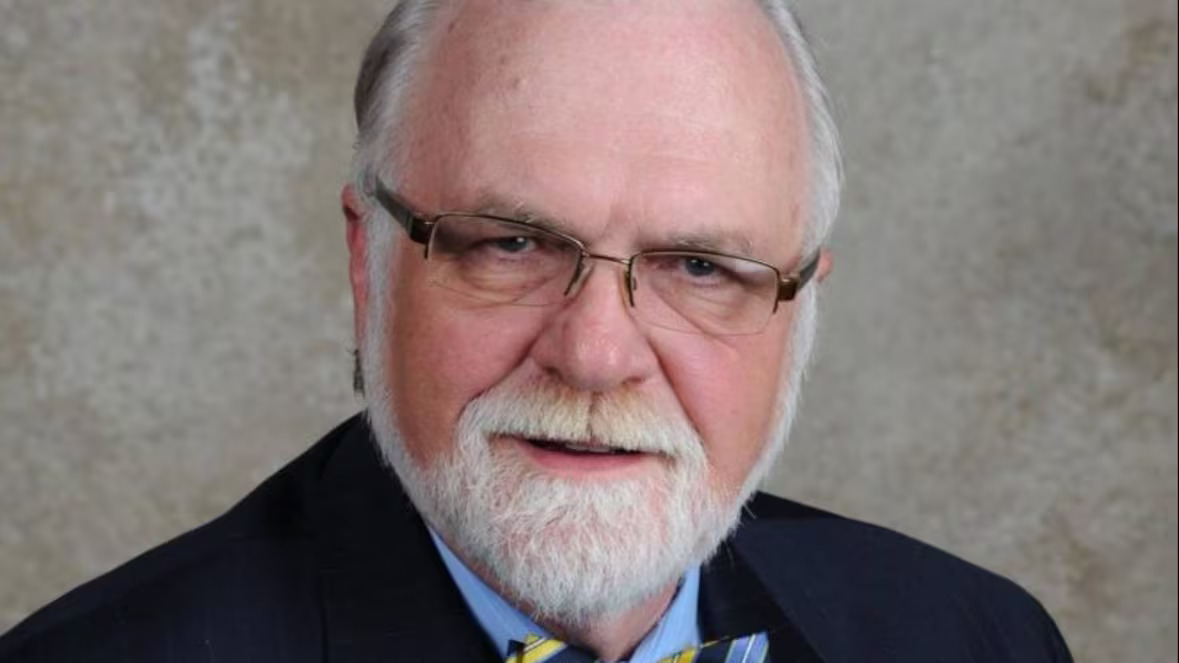
A British Columbia human rights panel has delivered a major ruling in a long-running case involving a former Chilliwack school trustee’s public remarks about gender and sexual diversity. In its decision, the tribunal concluded that the man’s repeated comments over several years crossed the line into discriminatory conduct, injuring the dignity and self-respect of 2SLGBTQ+ educators and staff.
$750,000 Ordered in Compensation for Teachers
In a ruling issued this week, the panel ordered the former official to pay a total of $750,000 to LGBTQ teachers who were represented by the local teachers’ association and the provincial teachers’ federation. The judge concluded that his speech contributed to a workplace that was hostile and exclusionary for educators who identify as part of the 2SLGBTQ+ community.
Members of the tribunal said that his public posts, speeches, and other statements were likely to expose trans, gay, and lesbian people to hatred or contempt based on gender identity or sexual orientation. Those comments were described as invoking deeply negative stereotypes and fostering an environment that ran counter to the protections afforded under provincial human rights law.
Long-Running Dispute Over Inclusive Education
The case stems from a complaint first filed in 2017 by the Chilliwack Teachers’ Association and the British Columbia Teachers’ Federation, which argued that the trustee’s campaign against SOGI inclusive policies and related resources created an unsafe and discriminatory workplace. His critics said he repeatedly challenged policies aimed at supporting students and staff based on sexual orientation and gender identity, framing them as harmful and unnecessary.
Over the years, the dispute wound its way through legal and tribunal processes, examining whether heated public commentary by an elected official could amount to a breach of human rights protections. The tribunal ultimately found that multiple publications and public statements reflected discrimination and violated the province’s Human Rights Code.
Reaction From Advocates and Educators
Teacher advocates praised the decision, calling it a clear assertion that discriminatory rhetoric has consequences, especially when it affects the well-being of staff in educational settings. The ruling was seen by supporters as reinforcing the idea that schools must remain inclusive environments where all educators and students are respected regardless of sexual orientation or gender identity.
The tribunal’s decision also noted that the payment is intended to compensate for injury to dignity, feelings, and self-respect, and that the amount will be distributed among eligible teachers affected by the conduct at issue.
What This Means Going Forward
The ruling highlights how human rights protections apply not just to actions but also to public discourse by individuals in leadership positions. It underscores that speech used in public and political debates can fall within the scope of human rights law when it contributes to harm or discrimination.
Stay updated instantly — follow us on Instagram | Facebook | X