
Grocery Giant Penalized for Origin Sign Errors
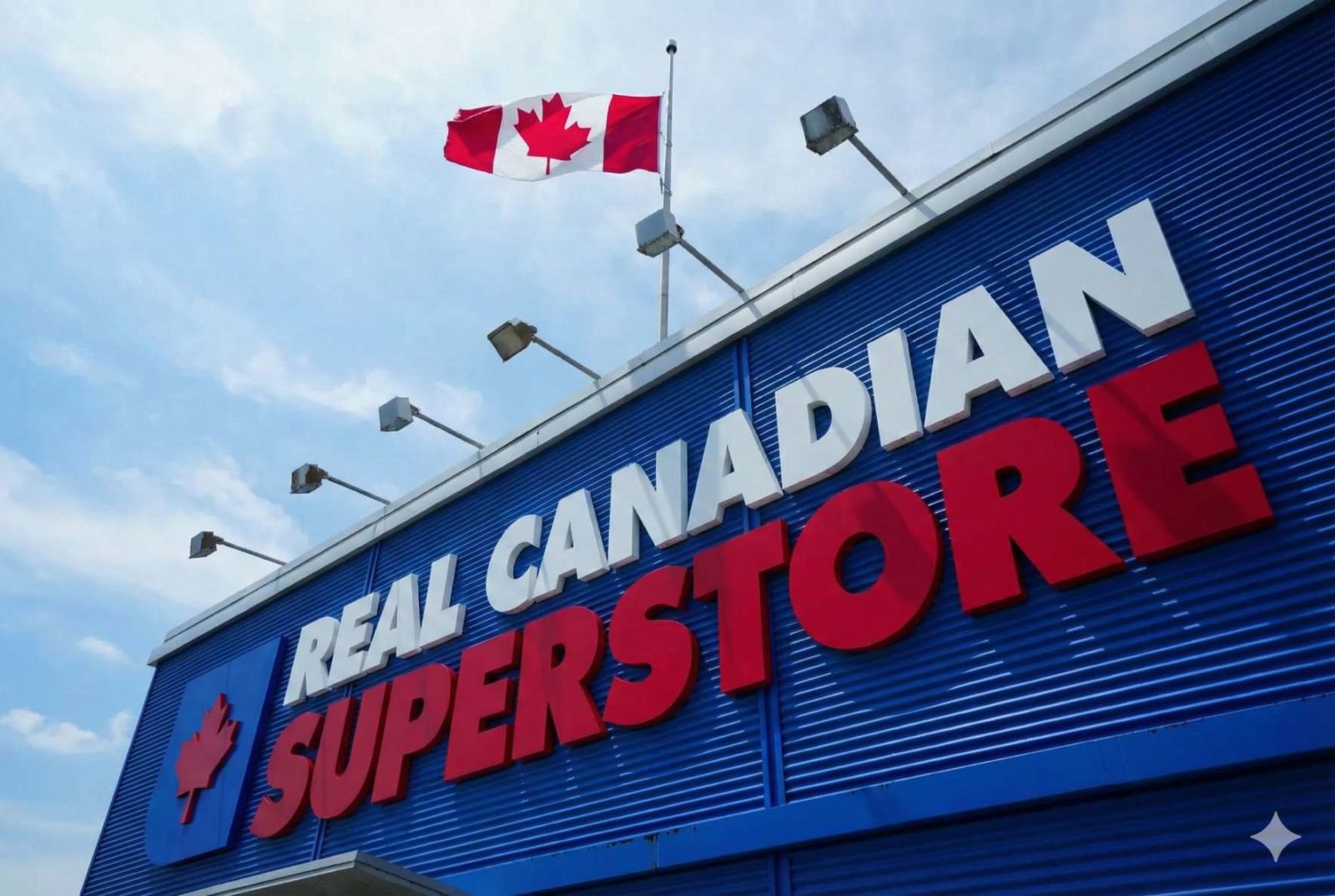
A major Canadian grocery chain has been fined this week after federal regulators found misleading country-of-origin displays in one of its stores. The Canadian Food Inspection Agency (CFIA) slapped a $10,000 administrative penalty on a Loblaw Companies Limited-operated Real Canadian Superstore location for advertising some goods as “Product of Canada” in a way that didn’t meet strict government criteria.
What Triggered the Fine
The CFIA says that signage and displays claiming “Product of Canada” must only be used when almost all ingredients, labour, processing, and other significant components are Canadian. This high bar is designed to protect consumers from being misled about where their food comes from. Regulator officials determined that the store’s displays didn’t accurately reflect those requirements, leading to the penalty under the Safe Food for Canadians Act.
The agency has not publicly detailed which specific products were involved or how they were displayed. But the fine underscores a growing focus on ensuring that country-of-origin claims in grocery aisles align with regulated definitions and are clear for shoppers.
Retailer Responds to Compliance Concerns
In response to questions about the incident, a spokesperson for Loblaw said the company takes labelling responsibilities seriously and works to ensure accuracy across its thousands of products. The representative noted that supply and inventory can change quickly, and that sometimes signage may fall out of sync with product origins — but the retailer continues to refine its processes to prevent future errors.
The statement emphasized that the company aims to correct mistakes as soon as they’re brought to its attention, and invited customers to report any labeling concerns so shelves can be updated promptly.
Why This Matters to Shoppers
For consumers, the ruling serves as a reminder to understand what “Product of Canada” actually means. The CFIA’s definition generally requires that virtually all ingredients and production take place in Canada, which is a higher threshold than simply being processed there or carrying a Canadian brand name.
Advocates for accurate labelling say that clear origin claims help support the “Buy Canadian” movement and give shoppers confidence in making informed choices. Misleading signs, even if unintentional, can erode trust and potentially influence buying decisions.
What Comes Next
The CFIA’s action may signal closer scrutiny of origin claims in other stores and banners across the country. As origin labelling rules continue to be enforced, retailers will likely ramp up internal audits, staff training, and signage reviews to ensure compliance with national standards.
Ultimately, both regulators and shoppers want transparency at the grocery shelf — so this fine could usher in better practices across Canada’s food retail landscape.
Stay updated instantly — follow us on Instagram | Facebook | X