
Tensions Rise Over Prime Minister’s India Trip
A Surrey-based activist is speaking out against Prime Minister Justin Trudeau’s recent trip to India, arguing the visit sends the wrong signal at a sensitive political moment.
While international diplomacy often unfolds quietly, this time the reaction has been anything but silent. Instead, concerns are being voiced publicly, and the criticism is gaining attention across British Columbia.
According to the activist, the timing of the visit matters just as much as the trip itself. Although federal leaders frame the journey as an effort to strengthen global ties, critics say domestic tensions cannot be ignored.
As a result, debate is intensifying both locally and nationally.
Why the Trip Is Drawing Criticism
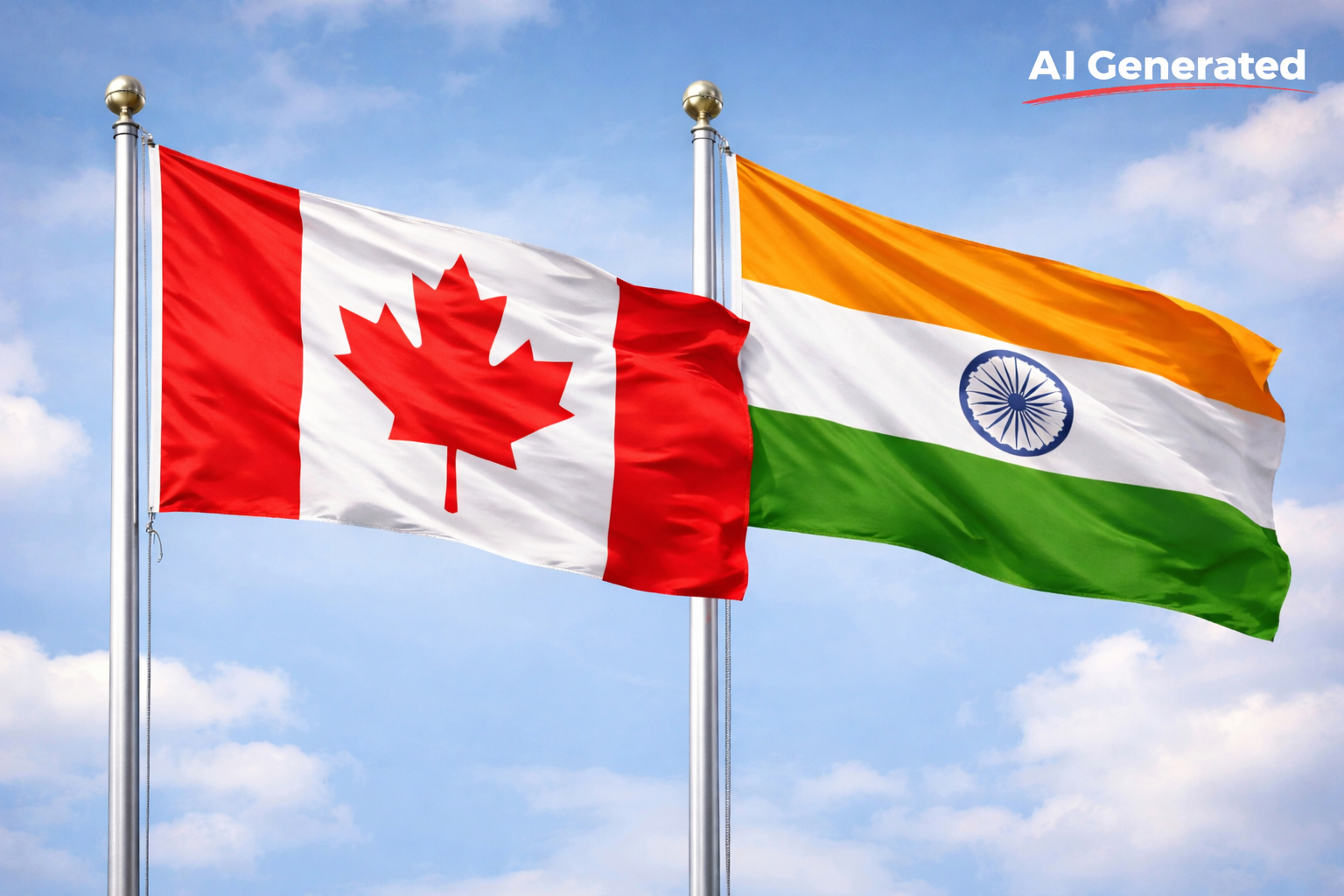
The federal government has described the India visit as an opportunity to improve trade, security cooperation, and diplomatic relations. However, critics argue that relations between Canada and India have been strained in recent months.
Because diplomatic ties have faced pressure, some community members question whether now is the right time for high-profile meetings. Moreover, concerns about transparency and messaging continue to surface.
The Surrey activist suggests that unresolved issues should be addressed clearly before symbolic gestures take centre stage. In their view, optics matter. Therefore, any international appearance carries weight back home.
Local Voices Enter the National Conversation
Surrey is home to one of Canada’s largest South Asian communities. Consequently, international relations with India often resonate strongly in the region.
Community members hold diverse perspectives. While some welcome renewed dialogue between Ottawa and New Delhi, others believe caution is necessary. As a result, opinions vary widely.
The activist emphasizes that criticism does not equal opposition to diplomacy. Instead, they argue for accountability and clarity. According to them, residents deserve to understand what concrete outcomes the trip will deliver.
Furthermore, they question whether sufficient consultation occurred with community leaders before the visit.
Federal Perspective: Diplomacy and Stability
From Ottawa’s standpoint, engagement remains essential. Federal officials maintain that dialogue strengthens stability, even during periods of disagreement.
International relationships rarely move in straight lines. Instead, they require ongoing effort, negotiation, and recalibration. Therefore, leaders often continue conversations despite political friction.
Supporters of the trip argue that stepping back could deepen misunderstandings. By contrast, face-to-face diplomacy may help ease tensions over time.
Nevertheless, critics insist that domestic concerns must not be overshadowed by international optics.
The Political Timing Question
Timing plays a significant role in public perception. Because Canada is navigating complex domestic and global issues simultaneously, every diplomatic move carries political implications.
The Surrey activist contends that the Prime Minister’s visit arrives during heightened sensitivity around foreign policy and national security matters. Therefore, public communication becomes critical.
When messaging lacks clarity, speculation grows. Consequently, critics say stronger explanation from federal officials could help reduce confusion.
At the same time, political observers note that international travel is a routine part of leadership. However, routine does not eliminate scrutiny.
Broader Implications for Community Relations
Beyond national politics, the issue touches local community dynamics. Surrey’s diverse population often follows international developments closely. As a result, foreign policy discussions can influence neighbourhood conversations.
Some residents view engagement with India as essential for economic growth and cultural connection. Others remain cautious, particularly when bilateral tensions remain unresolved.
Because these perspectives coexist within the same city, public debate can feel personal. Therefore, leaders must balance diplomacy with sensitivity.
The activist argues that transparency builds trust. Without it, uncertainty grows. And when uncertainty grows, divisions can deepen.
Trade, Security, and Strategic Interests
Despite criticism, Canada and India share important trade and security interests. Both countries participate in global forums, and both face evolving geopolitical challenges.
Economic partnerships can create jobs and open markets. In addition, cooperation on education and technology strengthens innovation sectors.
However, critics emphasize that economic opportunity should not eclipse concerns about accountability. In their view, strategic partnerships must align with Canadian values.
Therefore, they urge federal leaders to outline clear objectives and measurable outcomes from the trip.
Public Reaction Remains Mixed
Reaction across British Columbia has been varied. Some residents see the visit as a necessary reset. Others interpret it as premature.
Social media discussions reflect that divide. While supporters highlight diplomatic engagement, critics focus on unresolved tensions.
Because political trust fluctuates, visible action can either reassure or unsettle the public. Consequently, communication strategy becomes as important as policy substance.
Observers note that federal leaders often face competing expectations. On one hand, citizens demand global engagement. On the other hand, they demand domestic focus.
Balancing both is rarely simple.
What Happens Next?
Much depends on the outcomes of the trip. If tangible agreements or cooperative initiatives emerge, criticism may soften. Conversely, if results appear symbolic rather than substantive, scrutiny could intensify.
The Surrey activist says they will continue monitoring developments. In their words, accountability does not end when a plane lands.
Meanwhile, federal officials are expected to provide updates outlining progress achieved during the visit.
Until then, discussion continues.
The Bigger Picture
At its core, the debate reflects a broader reality: international diplomacy intersects with local identity. In communities like Surrey, global events feel close to home.
Because of that connection, public response carries added weight.
Ultimately, the Prime Minister’s India trip highlights the delicate balance between diplomacy, transparency, and public trust. While international engagement remains essential, community voices continue shaping the national conversation.
For now, opinions remain divided. However, one thing is certain — the discussion is far from over.
Stay updated instantly — follow us on Instagram | Facebook | X