
Up to 60 cm expected in mountain passes; drivers urged to rethink travel plans
A powerful winter system moving across British Columbia is expected to dump significant snow across interior mountain regions, with the Coquihalla Highway forecast to see some of the heaviest accumulation.
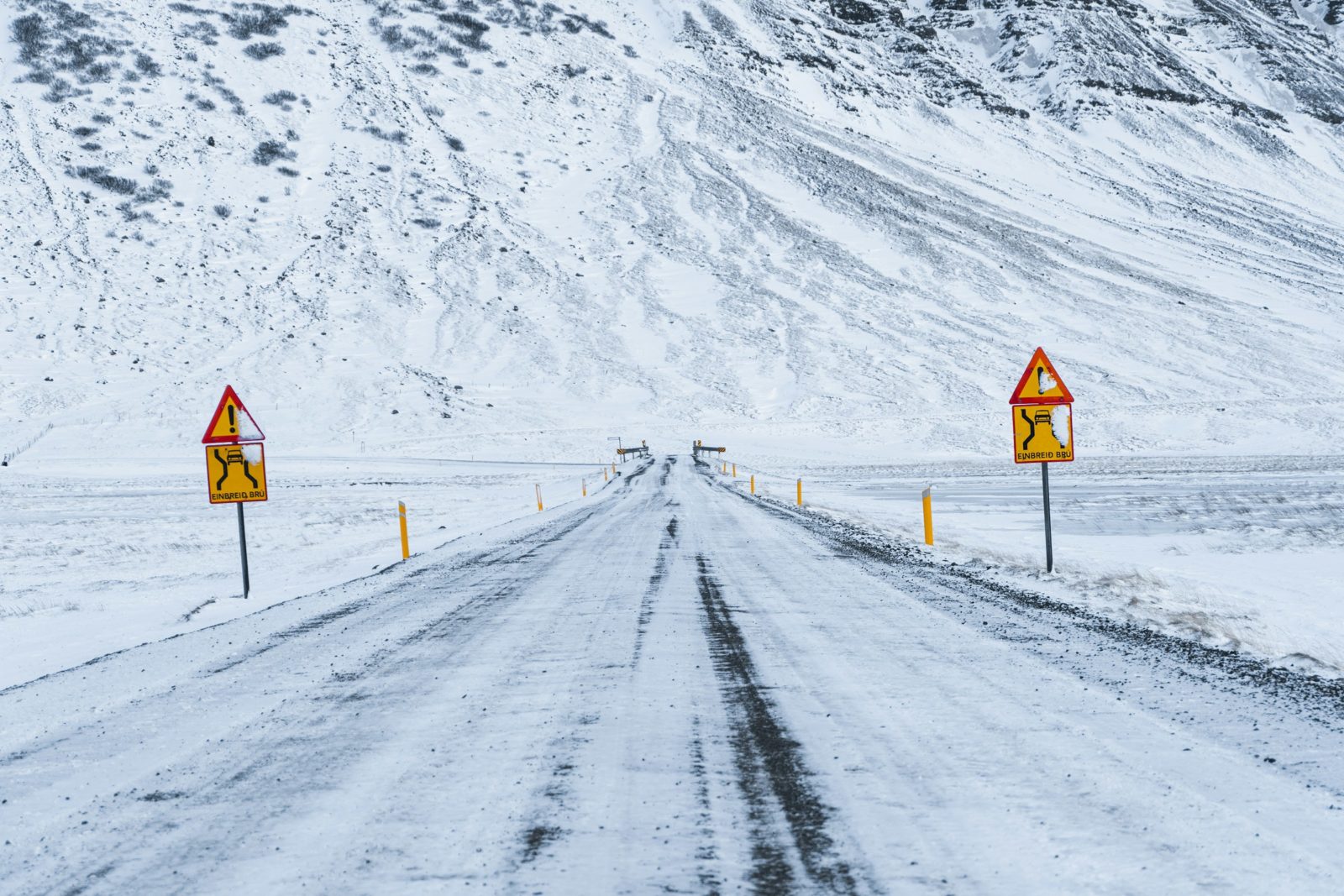
Weather models indicate that higher elevations along the Coquihalla could receive as much as 60 centimetres of snowfall over a short period. Mountain passes are particularly vulnerable during these systems, where rapid accumulation can reduce visibility, create icy surfaces and increase the risk of spinouts or collisions.
The Coquihalla remains one of the province’s most important transportation corridors, linking the Lower Mainland with communities such as Merritt and Kamloops. It also carries a large volume of commercial traffic and weekend travellers heading to ski resorts and interior destinations.
Officials are advising drivers to delay non-essential travel if possible. Those who must travel are encouraged to ensure their vehicles are equipped with proper winter tires, carry emergency supplies and monitor live road updates before departing.
Heavy snow events at this time of year are not unusual for B.C.’s mountain highways, but sudden accumulation can quickly overwhelm even experienced drivers. Transport trucks are especially susceptible to chain requirements and steep grade challenges during intense snowfall.
While Surrey and other Metro Vancouver communities may see milder conditions, many Lower Mainland residents regularly use the Coquihalla for business, recreation and family travel. Monitoring conditions before leaving the city can help prevent dangerous situations once in the mountains.
Drivers can check real-time updates, closures and advisory notices through provincial highway information services prior to travelling.
Stay updated instantly — follow us on Instagram | Facebook | X