

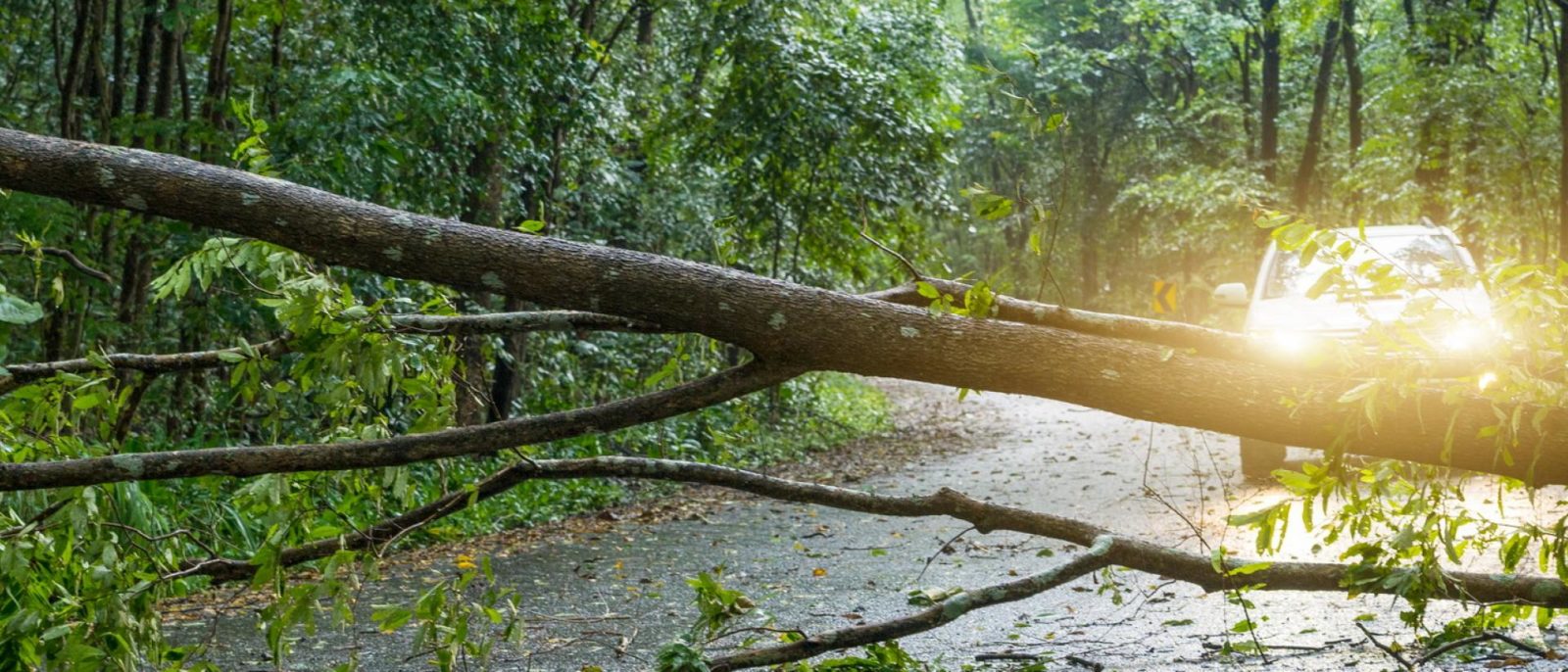
Learn simple storm safety tips for before, during, and after extreme weather in B.C. Stay prepared, reduce risks, and protect your home and family.
Storms Are Getting Stronger—Are You Ready?
Storms in British Columbia are no longer rare. In fact, they are hitting harder and more often. As a result, flooding, power outages, and property damage are becoming common concerns.
So, what can you do? The good news is simple steps can make a big difference. When you prepare ahead of time and act wisely during a storm, you can stay safe and reduce damage.
Why Preparation Matters More Than Ever
Extreme weather can disrupt daily life in seconds. However, preparation gives you control. Not only does it protect your home, but it also keeps your loved ones safe.
Therefore, knowing what to do before and during a storm is essential.
Before the Storm: Get Ready Early
First of all, build a 72-hour emergency kit. Include water, food, blankets, a flashlight, a battery-powered radio, and medications. This way, you stay comfortable if power goes out.
Next, create a household emergency plan. Spend just 20 minutes mapping out what to do if disaster strikes.
In addition, take these steps:
- Check trees for damage or weak branches
- Secure outdoor furniture and loose items
- Clear debris from drains to prevent flooding
- Keep emergency contacts nearby
Also, plan for warmth. Use safe heat sources only. Never bring propane heaters or barbecues indoors.
During the Storm: Stay Safe Indoors
When the storm hits, stay inside and avoid travel. Roads can become dangerous quickly.
If the power goes out, act smart:
- Turn off lights and unplug appliances
- Lower the thermostat to reduce energy surge later
- Keep doors and windows closed to trap heat
If your home gets too cold, leave and find a safe place. Staying warm is critical.
Meanwhile, if you are outside, stay far from trees, fences, and power lines.
If you are driving, pull over safely. Then stay in your vehicle, turn on hazard lights, and run the engine briefly each hour for warmth. Always keep the exhaust pipe clear.
Power Outages: What You Must Know
Power outages can last longer than expected. Therefore, always be prepared.
Check outage updates online if possible. If needed, report outages using official channels—not emergency lines.
Importantly, never use gas stoves or outdoor equipment indoors for heat. This prevents carbon monoxide poisoning, which can be deadly.
Watch Out for Hidden Dangers
Storms bring more than wind and rain. For example:
- Downed power lines can be fatal—stay at least 10 metres away
- Fallen trees can block roads or damage homes
- Flooding can happen quickly if drains are blocked
If there is immediate danger, call emergency services right away.
Community Support and Resources
Help is always available. Local programs offer shelter and support during extreme weather. If you are outside, move to a safe shelter as soon as possible.
Also, use local reporting tools to flag issues like fallen trees, flooding, or icy roads. Quick reporting helps keep everyone safe.
Stay Prepared, Stay Safe
Storms may be unpredictable, but your response does not have to be. By preparing early, staying informed, and acting quickly, you can protect yourself and your community.
In the end, a little preparation today can prevent major problems tomorrow.
Stay updated instantly — follow us on Instagram | Facebook | X
For any issues or concerns, please contact us at issue@surreyspeak.com