
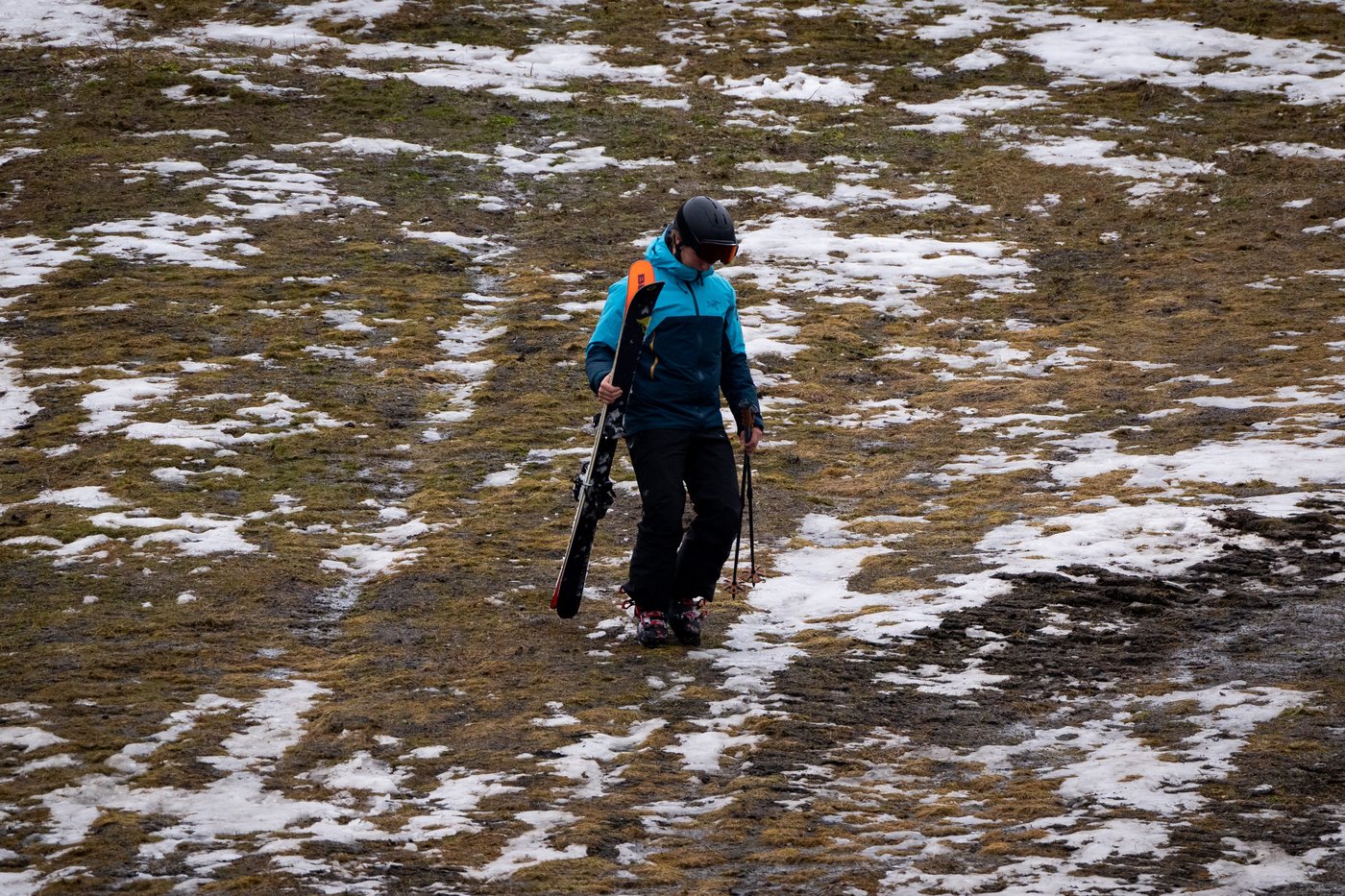
Vancouver records its first snow-free winter in 43 years, raising climate concerns and warning of future water shortages.
A Winter Without Snow — And a Warning Sign
For the first time in over four decades, Vancouver is wrapping up winter without a single official snowfall. That’s right—no snow, no buildup, not even the minimum one centimetre needed to count.
As spring arrives with mild temperatures near 12°C, this unusual season is making headlines. However, experts say this may not be a one-time ঘটনা. Instead, it could signal a lasting shift.
Warmer Days, Changing Patterns
This winter didn’t just lack snow—it brought heat. Data from Environment Canada shows the city recorded an average temperature of 6°C from December through February. That’s far above the typical 4.3°C.
In fact, only one winter in recorded history—back in 1958—was warmer.
Meanwhile, other parts of Canada experienced the opposite. Ontario saw heavier snowfall and colder conditions, highlighting a growing divide in regional weather trends.
Why Vancouver Feels Climate Change Faster
According to researchers at University of British Columbia, Vancouver’s climate makes it especially sensitive to small temperature shifts.
A slight increase can quickly turn snow into rain. So, while other cities still see snowfall, Vancouver may simply see wet streets instead.
As a result, snowless winters could happen more often—and much sooner than expected.
Snowpack Shrinks, Concerns Grow
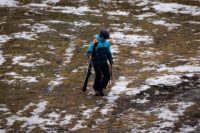
Although some parts of British Columbia have decent snow levels, the South Coast tells a different story. Snowpack there sits well below average.
Even more concerning, Vancouver Island levels have dropped significantly.
This matters because snowpack acts like a natural reservoir. It stores water during winter and releases it slowly through summer.
Without enough snow, that system begins to break down.
Rain Today, Shortages Tomorrow
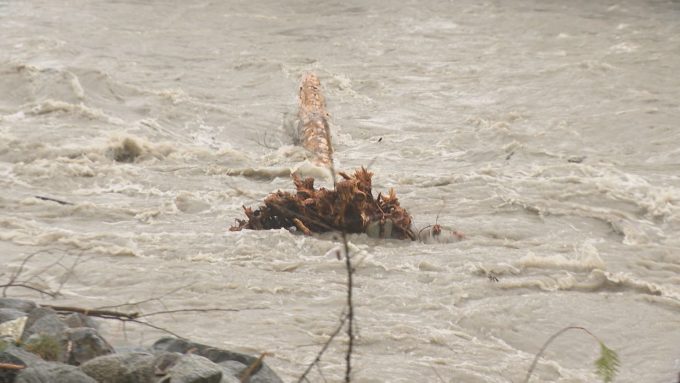
Recent heavy rainfall might ease concerns—for now. However, experts warn that appearances can be misleading.
Over the past few months, total precipitation has stayed below long-term averages. At the same time, warmer temperatures speed up evaporation.
So, less water stays in the system.
Eventually, that gap could lead to serious shortages.
A Ripple Effect Across Daily Life
Water isn’t just for drinking. It supports nearly every part of life in British Columbia.
Lower water levels could impact:
- Hydroelectric power generation
- Wildfire response efforts
- Agriculture and food supply
- Freshwater ecosystems
Because all these systems rely on the same source, even small changes can create widespread effects.
What Comes Next?
While snowy winters will still happen, they may become less frequent. That shift could redefine what “winter” looks like in Vancouver.
In the meantime, this season stands as more than just a weather record. It serves as a clear and visible reminder of a changing climate—and the challenges that may follow.
Stay updated instantly — follow us on Instagram | Facebook | X
For any issues or concerns, please contact us at issue@surreyspeak.com