
Gas Prices Continue to Rise Across Canada
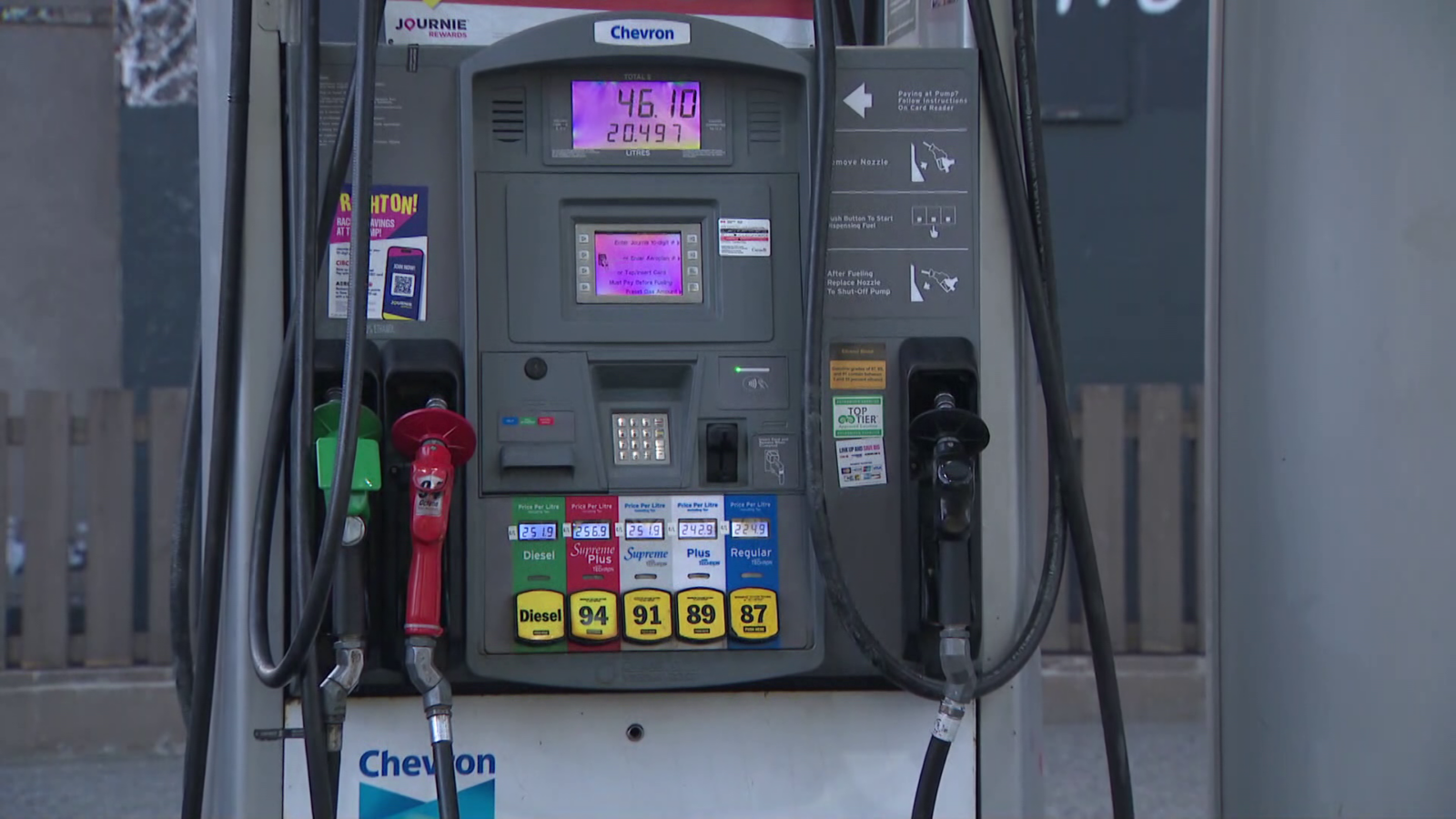
Fuel costs have been increasing steadily, putting pressure on household budgets and daily commuting expenses. In some areas of Metro Vancouver, gas prices have recently ranged above $2 per litre, reflecting global supply disruptions and ongoing geopolitical tensions affecting oil markets.
Even with temporary government measures to reduce fuel costs, drivers are still feeling the impact of elevated prices.
Why Fuel Costs Are Increasing
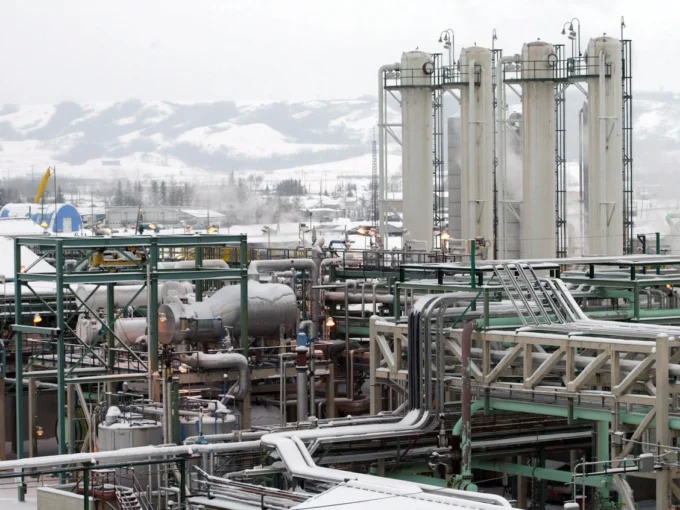
Experts point to global factors such as disruptions in oil supply chains and geopolitical conflicts as key reasons behind the surge. These events have limited the flow of crude oil and driven prices upward worldwide.
As a result, motorists are paying significantly more at the pump compared to earlier months.
Drive Smoothly to Save Fuel
One of the simplest ways to improve fuel efficiency is by adjusting driving behavior. Rapid acceleration and sudden braking consume more fuel than steady driving.
Experts recommend:
- Accelerating gradually
- Braking gently
- Maintaining a consistent speed
Using cruise control on highways can also help maintain efficiency and reduce unnecessary fuel usage.
Plan Trips and Reduce Unnecessary Driving
Reducing the number of trips and combining errands can significantly cut fuel consumption. Planning routes in advance helps avoid traffic congestion and unnecessary detours, saving both time and fuel.
Carpooling or using public transportation when possible can also lower overall fuel expenses.
Maintain Your Vehicle for Better Efficiency
Regular vehicle maintenance plays a crucial role in fuel economy. Drivers should:
- Keep tires properly inflated
- Ensure engines are well-tuned
- Replace air filters when needed
Proper maintenance can improve mileage and prevent excessive fuel consumption over time.
Use Tools to Find Cheaper Fuel
Experts also suggest using apps and online tools to compare fuel prices in different locations. Price differences between stations can add up to significant savings over time.
Even small reductions per litre can make a noticeable difference annually for frequent drivers.
Adopt Long-Term Fuel-Saving Habits
Beyond short-term changes, drivers are encouraged to consider long-term strategies such as:
- Switching to fuel-efficient vehicles
- Exploring hybrid or electric options
- Reducing reliance on daily car travel
These steps can help offset the impact of fluctuating fuel prices in the future.
Conclusion
As fuel prices remain volatile, adopting smarter driving habits and planning strategies can help drivers manage costs effectively. While external factors may be beyond control, small changes in daily routines can lead to meaningful savings.
Stay updated instantly — follow us on Instagram | Facebook | X
For any issues or concerns, please contact us at issue@surreyspeak.com.
Have a local story or update to share? Become a Citizen Journalist or volunteer with Surrey Speak—your voice matters in shaping local news.
We believe AI is a powerful, positive tool that supports creativity and responsible journalism.
Contact: marketing@surreyspeak.com