
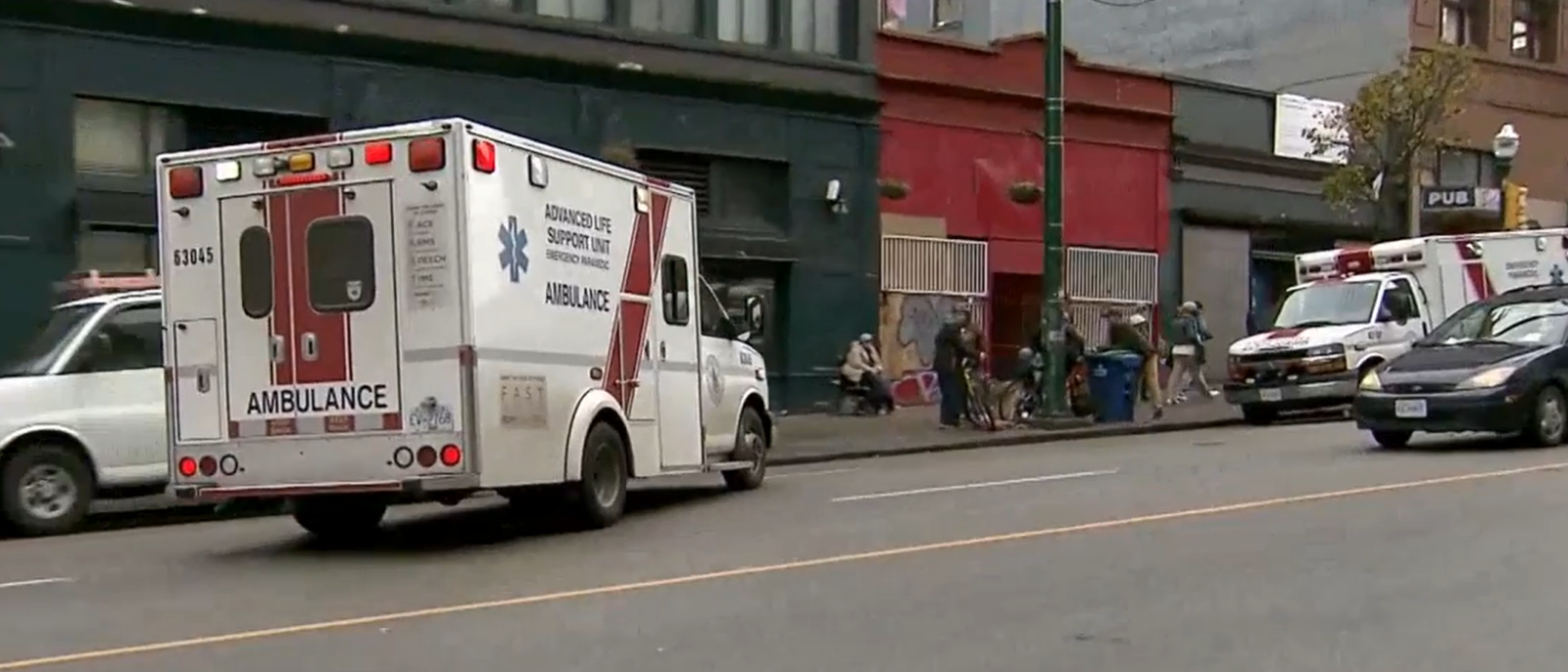
B.C. Reports 115 Toxic Drug Deaths in February 2026
British Columbia’s ongoing toxic drug emergency remains a major public health concern after the BC Coroners Service reported 115 deaths connected to unregulated drug toxicity in February 2026. The latest figures highlight the continuing impact of fentanyl-contaminated substances and dangerous synthetic drugs circulating across communities in the province.
Officials say the monthly total equals more than four deaths per day, showing the crisis is still claiming lives despite ongoing harm-reduction efforts and public awareness campaigns.
Men Between 30 and 59 Most Affected
According to preliminary data released by the BC Coroners Service, people aged 30 to 59 accounted for the majority of overdose-related fatalities. Nearly 78 percent of those who died were men.
Health experts continue to warn that the toxic drug supply remains unpredictable, with substances often mixed with fentanyl, stimulants, and sedatives that dramatically increase overdose risks.
Most Fatalities Happened Indoors
The report found that more than 80 percent of toxic drug deaths occurred indoors, including private residences, supportive housing units, shelters, and temporary accommodations.
Public health officials say people using drugs alone indoors remain especially vulnerable because emergency assistance may not arrive quickly enough during an overdose.
Fraser and Vancouver Coastal Regions Hit Hardest
The Fraser Health and Vancouver Coastal Health regions recorded the highest number of deaths during the first months of 2026. These areas continue to experience some of the province’s highest overdose rates due to population density and the widespread presence of toxic street drugs.
Communities across British Columbia have faced years of increasing overdose deaths since the province first declared a public health emergency in 2016.
Fentanyl and Stimulants Continue to Drive Crisis
Toxicology testing showed stimulants were found in more than 80 percent of overdose deaths, while fentanyl and benzodiazepines also remained common contributors. Smoking drugs continues to be the most frequent method of consumption linked to fatalities.
Health authorities continue encouraging residents to carry naloxone kits, avoid using substances alone, and access supervised consumption services where available.
Calls for Stronger Harm Reduction and Treatment Support
Advocates and healthcare professionals continue calling for expanded addiction treatment, mental health support, and safer drug supply initiatives to reduce preventable deaths. Some experts believe long-term solutions must focus on healthcare access, housing stability, and stronger community-based recovery programs.
Despite a reported decline in overall overdose deaths during 2025, officials warn the crisis remains far from over.
Stay updated instantly — follow us on Instagram | Facebook | X
For any issues or concerns, please contact us at issue@surreyspeak.com.
Have a local story or update to share? Become a Citizen Journalist or volunteer with Surrey Speak—your voice matters in shaping local news.
We believe AI is a powerful, positive tool that supports creativity and responsible journalism.
Contact: marketing@surreyspeak.com
- BC Coroners Service
- BC fentanyl deaths
- BC toxic drug crisis
- British Columbia overdose deaths
- Canada health news
- Canadian overdose statistics
- drug toxicity deaths
- fentanyl crisis Canada
- fentanyl overdose BC
- harm reduction programs
- naloxone awareness
- opioid crisis Canada
- overdose prevention BC
- public health Canada
- supervised consumption sites
- toxic drug deaths 2026
- toxic street drugs
- unregulated drug crisis
- Vancouver health updates
- Vancouver overdose news