

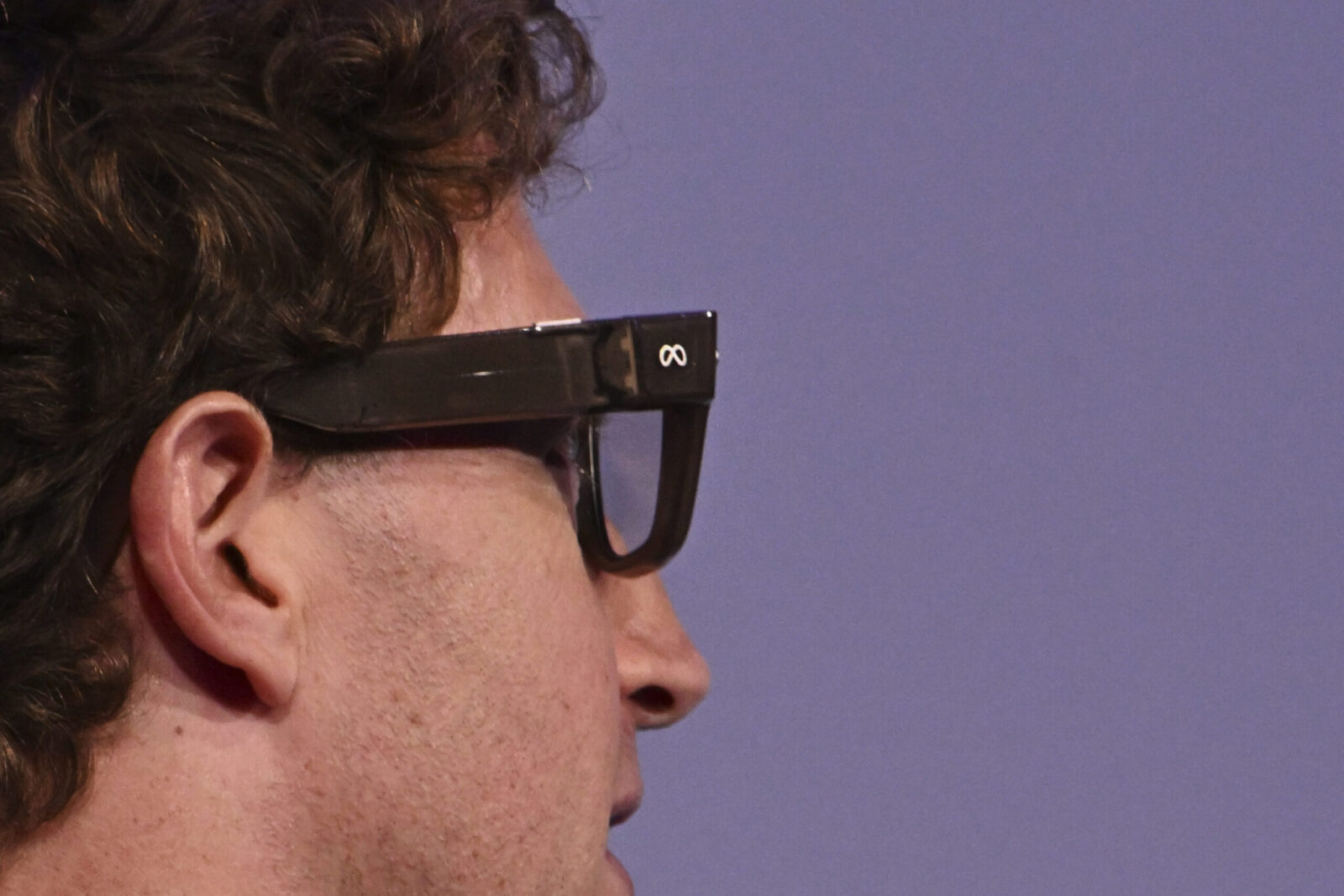
Smart Glasses: The Future of Wearable Technology?
Smart glasses are no longer just a concept from science fiction movies. Major technology companies are investing heavily in wearable eyewear that combines cameras, microphones, artificial intelligence, and internet connectivity into everyday glasses.
These devices allow users to:
- Capture photos and videos hands-free
- Access AI assistants through voice commands
- Translate languages in real time
- Receive navigation assistance
- Stream live content instantly
As the technology becomes more advanced and affordable, smart glasses are moving into mainstream consumer markets.
The Benefits of Smart Glasses
1. Hands-Free Convenience
One of the biggest advantages of smart glasses is convenience. Users can record moments, access information, and interact with AI without constantly holding a smartphone.
2. Accessibility Features
Smart glasses may improve accessibility for people with disabilities by offering voice assistance, live captions, navigation support, and translation tools.
3. Real-Time Information
Travelers, students, and professionals can benefit from instant information overlays, translations, and AI-powered assistance while keeping their hands free.
4. Enhanced Workplace Productivity
Industries such as healthcare, logistics, engineering, and manufacturing are exploring smart glasses for training, remote support, and operational efficiency.
The Privacy Concerns Behind Smart Glasses
While smart glasses offer exciting possibilities, privacy experts are warning about serious risks associated with discreet recording and data collection.
Unlike smartphones, smart glasses can record video and audio without making it obvious to nearby people. This creates concerns around consent, surveillance, and personal privacy.
Hidden Recording Risks
Because smart glasses resemble normal eyewear, people may not realize they are being filmed. Critics argue this changes social expectations and makes public interactions more uncomfortable.
Privacy advocates say smart glasses could increase:
- Secret recordings
- Unauthorized data collection
- Voyeurism risks
- Workplace surveillance
- Social distrust
Reports have already surfaced involving individuals unknowingly being recorded in public settings.
AI and Facial Recognition Concerns
Another growing concern is the integration of artificial intelligence and facial recognition technologies into wearable devices.
Experts warn that smart glasses could eventually:
- Identify strangers in real time
- Access online information instantly
- Analyze facial expressions
- Track locations and behaviors
Privacy organizations argue that facial recognition combined with always-on wearable cameras could significantly reduce personal privacy in everyday life.
Why Regulations Are Falling Behind
Technology is evolving much faster than privacy laws. Many existing laws were created before wearable AI devices became common, leaving legal gray areas around consent and public recording.
Some experts are now calling for:
- Clear recording disclosure rules
- Restricted use in sensitive areas
- Stronger workplace policies
- Better data protection regulations
- Limitations on facial recognition features
Without updated regulations, smart glasses may create long-term privacy and ethical challenges for society.
The Future of Smart Glasses
Despite concerns, smart glasses are expected to continue growing in popularity over the next few years. Companies are working to make devices smaller, smarter, and more socially acceptable.
Future improvements may include:
- Better battery life
- More advanced AI assistants
- Improved augmented reality features
- Lightweight designs
- Enhanced accessibility tools
However, experts believe public trust will depend heavily on how companies handle privacy, transparency, and responsible usage.
Final Thoughts
Smart glasses represent a major step forward in wearable technology, offering convenience, accessibility, and AI-powered innovation. At the same time, they raise critical questions about privacy, consent, and digital ethics.
As adoption increases, governments, technology companies, and consumers will need to find the right balance between innovation and personal privacy. The conversation around smart glasses is no longer about the future — it is happening right now.
Stay updated instantly — follow us on Instagram | Facebook | X
For any issues or concerns, please contact us at issue@surreyspeak.com.
Have a local story or update to share? Become a Citizen Journalist or volunteer with Surrey Speak—your voice matters in shaping local news.
We believe AI is a powerful, positive tool that supports creativity and responsible journalism.
Contact: marketing@surreyspeak.com