
Alberta Explores Roberts Bank Option for West Coast Pipeline
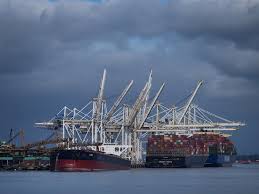
Alberta’s government is considering various Pacific Ocean access points for a possible oil export pipeline, and Roberts Bank near Metro Vancouver has emerged as one of the sites under review. The initiative forms part of an effort to build a new corridor to move bitumen from Alberta’s oilfields to international markets, though details remain fluid and controversial.
Premier Danielle Smith’s administration is leading the drive, with a technical advisory group assessing potential routes, port capabilities and safety concerns. While Prince Rupert on the north coast is seen as a less congested and safer choice, Roberts Bank is also being evaluated for its deep-water access and existing infrastructure.
A Pipeline Plan With No Clear Path Yet
Despite these discussions, no finalized route has been chosen and no private pipeline operator has officially agreed to back the project. Alberta expects to submit a proposal to the federal Major Projects Office by mid-2026, but transportation planners stress that finding investment and navigating regulatory approvals are still major challenges.
The province has also launched a public website with information on the pipeline concept, aiming to clarify misconceptions about the project’s scope, funding and whether construction has begun. According to Alberta officials, the goal is to transport up to one million barrels of bitumen per day to Pacific ports once all approvals are in place.
B.C. Government and First Nations Push Back
Not everyone supports the idea. British Columbia’s Premier David Eby and many coastal First Nations leaders remain skeptical or opposed to any pipeline that would bring large crude tankers near protected waters. B.C. has voiced strong objections to lifting the oil tanker moratorium a policy that bans large crude carriers from much of the northern coast and seeks to protect marine ecosystems from spill risks.
Critics argue that altering long-standing protections would threaten the environment and communities that depend on fishing, tourism and natural resources, while proponents counter that a new pipeline could boost Canadian economic diversification and reduce overreliance on U.S. markets.
What Comes Next?
As talks continue with Ottawa and Indigenous groups, proponents say there is still a long way to go before any construction begins, with consultations, financing and environmental processes yet to unfold. Public opinion on a pipeline remains divided, with polls indicating roughly half of Canadians support a new export route, while debates over environmental protection and economic benefit persist.
Stay updated instantly — follow us on Instagram | Facebook | X