
Alberta’s 2026 Budget Tables Record Deficit, Big Spending Boosts
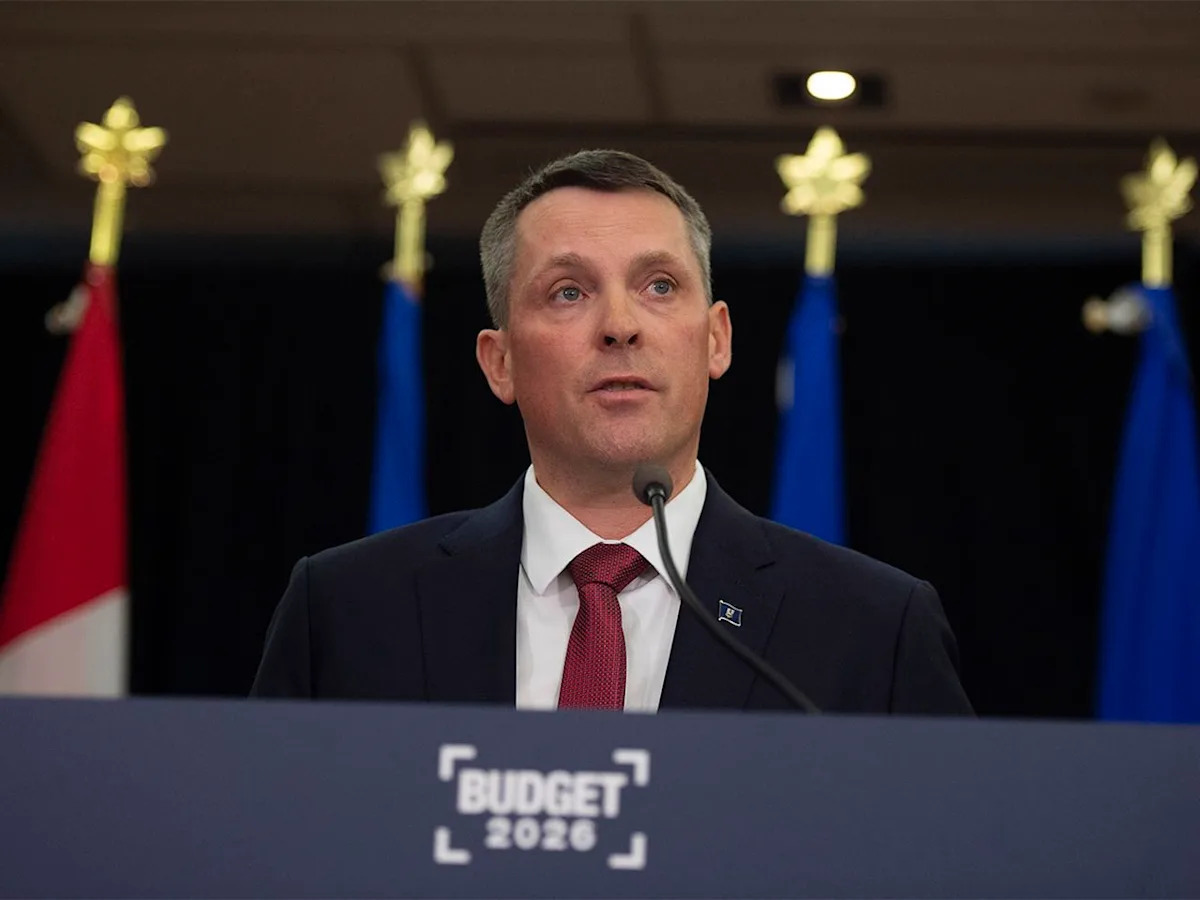
The Government of Alberta has unveiled its 2026 provincial budget, revealing a heavy red-ink forecast alongside major spending increases on health, education and public services. Finance Minister Nate Horner presented the fiscal plan that predicts a $9.4 billion deficit for the 2026-27 fiscal year, one of the largest shortfalls since the pandemic era.
Economic factors including lower global oil prices and rapid population growth have significantly reduced resource revenues — historically a key pillar of Alberta’s finances — forcing the province to borrow more while maintaining spending on core services.
More Money for Health, Education and Community Services
Despite the deficit, the budget increases funding for critical public services:
• Health care spending rises sharply, with about $34.4 billion earmarked for services including hospital operations, emergency care, surgeries and mental health programs in 2026-27.
• Education receives a record $10.8 billion, a boost of more than seven percent, aimed at hiring more teachers and educational assistants and expanding school capacity.
Government documents emphasize that investing in health and education remains a priority as demand grows, with funds directed to reduce wait times, support frontline workers and expand classroom resources.
New Taxes and Fee Changes Part of Revenue Strategy
To help shore up provincial finances, the budget introduces several new charges and changes that will affect residents and visitors:
• A six percent tax on passenger vehicle rentals begins January 1, 2027, aimed at generating stable new revenue.
• The tourism levy on hotel and short-term accommodation rises from four to six percent starting April 1, 2026.
• Various fee increases in areas like trade certification and apprenticeship programs are also included.
• Education property taxes are set to increase slightly, with residential rates moving from $2.72 to $2.84 per $1,000 of assessment.
While personal income tax rates remain unchanged, these measures are part of efforts to diversify revenue sources amid ongoing economic pressures.
Debt and Deficit Outlook Through 2029
Alberta’s budget documents project that deficits will continue beyond 2026-27, with shortfalls of about $7.6 billion in 2027-28 and $6.9 billion in 2028-29. Total taxpayer-supported debt is expected to climb toward $138 billion by 2029 as borrowing increases to cover the gaps.
Officials say the shortfalls reflect structural pressures tied to population growth alongside lower energy revenue. At the same time, the province plans to pursue a broader review of fiscal policy to steer toward longer-term balance.
What This Means for Albertans
The 2026 budget underscores the financial challenges facing Alberta’s government as it balances service delivery amid economic volatility. Residents will see increased funding for health care and education, but also higher levies on tourism and vehicle rentals, and a larger debt burden entering future fiscal years. The introduction of changes like the new caregiver credit and continued strategic investment in public infrastructure reflects a fiscal plan built to manage short-term pressures while maintaining essential supports.
Public reaction has been mixed, with some critics arguing the deficit and new fees could strain households, while supporters say investing in services is vital for a growing province. Future legislative sessions will likely focus on refining these measures and exploring paths to fiscal sustainability.
Stay updated instantly — follow us on Instagram | Facebook | X