
A Winter Ride Ends in Tragedy
A backcountry ride near Kootenay Pass turned deadly this weekend after a 23-year-old man was caught in an avalanche while snowmobiling. What began as a day in fresh powder ended in heartbreak, and now a tight-knit outdoor community is grieving.
The slide happened in the mountains near Kootenay Pass, a popular destination in southeastern British Columbia known for deep snow and challenging terrain. Riders often head there after storms because the conditions can feel perfect. Yet those same storms can quietly build unstable layers beneath the surface.
According to officials, the young man was riding with others in the backcountry when the slope released. Snow gave way suddenly and rushed downhill. Within seconds, he was buried.
A Race Against Time in Deep Snow
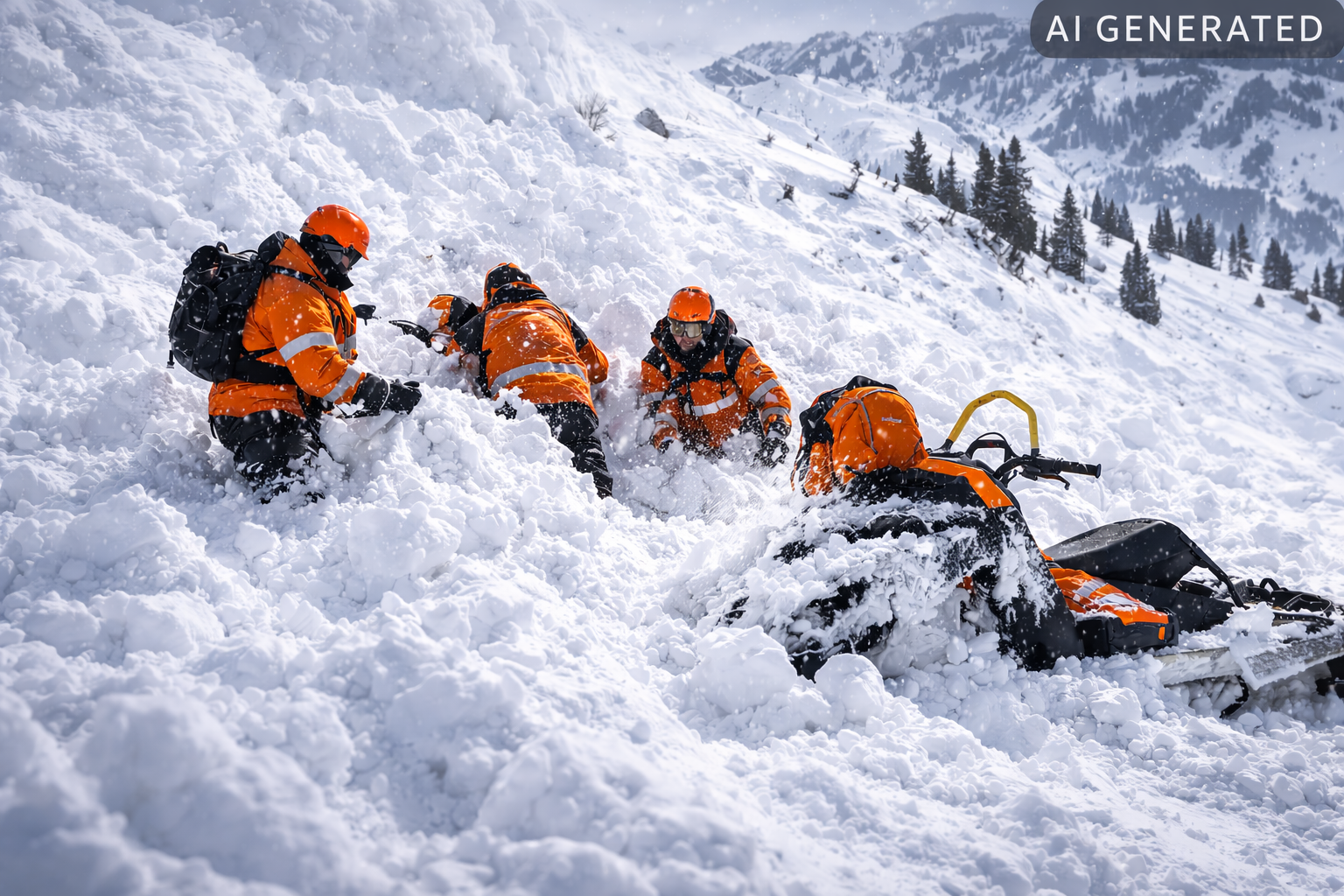
Fellow riders acted fast. They began searching and digging while emergency responders were called in. In avalanche rescues, speed is everything. Survival odds drop sharply after the first several minutes.
Search and rescue crews travelled into the backcountry as quickly as conditions allowed. The terrain, however, was steep and snow remained unstable. Despite determined efforts, the 23-year-old man could not be saved.
The loss has shaken many in the snowmobiling world. For many riders, these mountains are a place of freedom and thrill. Now they are also a place of mourning.
Avalanche Conditions Were Elevated
Avalanche danger in parts of southern B.C. had been rated high in recent days. Heavy snowfall followed by temperature swings can weaken the snowpack. When layers do not bond properly, a single snowmobile can trigger a collapse.
Experts often explain that avalanches are not random. They form when stress exceeds strength in the snowpack. Fresh snow adds weight. Wind moves snow into slabs. A rider then crosses the wrong slope at the wrong moment.
Because conditions can shift quickly, experienced riders check daily bulletins before heading out. Avalanche Canada and other safety groups regularly publish risk ratings and travel advice.
Still, even preparation cannot remove all danger. The backcountry remains unpredictable.
A Community Reflects and Regroups
News of the young man’s death spread quickly through online riding groups. Friends shared memories and offered condolences to his family. Many riders used the moment to remind others about training and gear.
In British Columbia, avalanche education is widely available. Courses teach riders how to read terrain, test snow layers, and make safer decisions. Most backcountry users carry a beacon, probe, and shovel. Many now also carry avalanche airbag packs.
Yet safety experts stress that tools alone are not enough. Decision-making is critical. Choosing lower-risk terrain during high-danger days can save lives.
This tragedy has renewed conversations about caution, especially during storm cycles. Riders are urging one another to slow down and reassess before committing to steep slopes.
Why Avalanches Remain a Serious Threat
British Columbia’s mountains attract outdoor enthusiasts from across Canada. Snowmobiling, skiing, and snowboarding support local tourism and recreation. However, the province also records avalanche fatalities most winters.
Avalanches move with force and speed. Snow can travel faster than a person can react. Once buried, breathing becomes difficult. Time becomes the biggest enemy.
Because of that reality, rescue teams continue encouraging preparation and awareness. They remind backcountry users to check forecasts, travel with experienced partners, and avoid risky terrain during unstable periods.
Moving Forward After Loss
An investigation into the incident is ongoing as officials review snowpack and weather conditions. Meanwhile, a family faces an unimaginable loss.
For many in B.C., the mountains symbolize adventure and connection. They also demand respect. This weekend’s tragedy stands as a sobering reminder that beauty and danger often exist side by side.
As winter continues, riders across the province are being urged to stay informed, stay equipped, and most importantly, stay cautious.
Stay updated instantly — follow us on Instagram | Facebook | X