










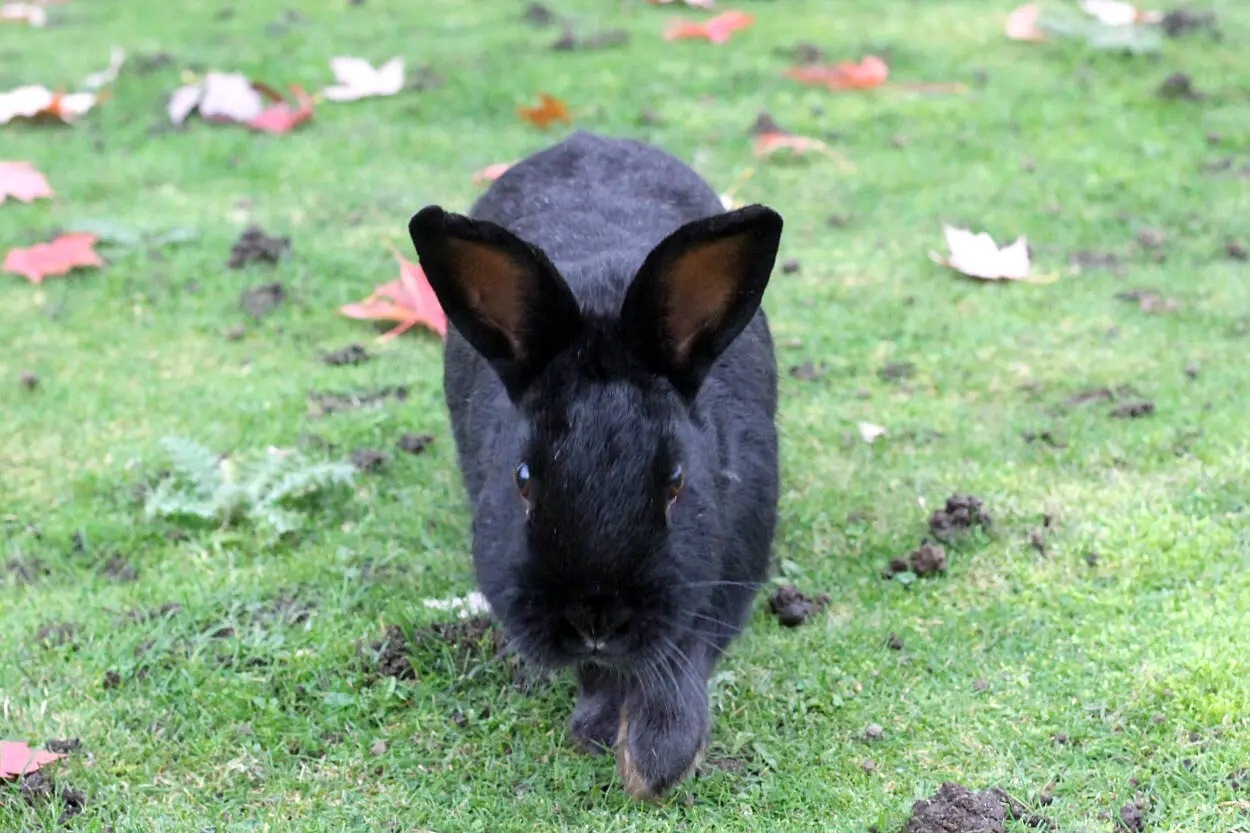
Cities call for B.C. rabbit abandonment strategy
Domestic rabbits have become a familiar sight on fields, boulevards and business lots across Vancouver Island and beyond. Now B.C. rabbit abandonment has reached a point where cities say they can’t manage it alone. The Union of B.C. Municipalities executive has endorsed a resolution asking the province to create a coordinated strategy to tackle the root causes of feral rabbit abandonment.
The motion, first brought forward by the District of Saanich, says many local governments are overwhelmed by abandoned European domestic rabbits that breed quickly and turn feral. The current patchwork of bylaws and volunteer efforts leaves much of the cost on municipalities and “small, underfunded” non‑profits.
Rescue groups push humane, coordinated approach
One of those groups is Rabbitats, which has spent years trapping, sterilizing and relocating rabbits through what it calls “non‑lethal culls.” The society moves rabbits into fenced sanctuaries or adoptive homes rather than killing them. Founder Sorelle Saidman says B.C. rabbit abandonment should have been addressed more than a decade ago, when rescues first asked for a provincial framework.
She now estimates there are thousands of feral rabbits on Vancouver Island alone and says stopping new dumping is only part of the solution. Without dealing with the existing populations, B.C. rabbit abandonment will continue because just a few surviving rabbits can quickly repopulate an area.
Why current laws don’t work
One barrier is that rabbits sit in several legal categories at once: wildlife, pets and even livestock or food. Different ministries and agencies interpret that mix in different ways, which makes it unclear who is responsible for funding, enforcement and long‑term management.
Saidman argues that the province needs a true partnership that brings together environmental groups, animal‑welfare organizations, municipalities and both the agriculture and wildlife branches. She wants a clear place for people to report stray rabbits, breeder controls and a spay/neuter mandate to prevent more litters from being dumped.
Non‑lethal ‘rabbitats’ show one model
Where property owners cooperate, Rabbitats has shown that non‑lethal approaches can work. At Richmond Auto Mall, the group removed about 400 rabbits, sterilized them and built a sanctuary with help from the businesses. A decade later, that area remains rabbit‑free, showing how targeted investment can break the cycle of B.C. rabbit abandonment on specific sites.
Advocates say lethal culls often fail because not every landowner will grant access and because even a handful of survivors can rebuild the population. In contrast, trapping and sterilization reduce breeding while moving rabbits off high‑conflict sites like malls, campuses and road edges.
Welfare and safety worries grow
The Fur‑Bearers, another non‑profit, backs the UBCM resolution and calls it a significant step toward provincewide support for communities dealing with feral European rabbits. The group notes that domestic breeds are not suited to outdoor life and often suffer from traffic, disease, predators and hunger.
For them, B.C. rabbit abandonment is both an animal‑welfare crisis and an infrastructure issue, as burrows damage lawns, gardens and even underground services. Their message to Victoria is simple: there are workable solutions, but the province now needs to lead, set clear rules and fund humane, coordinated action.
Stay updated instantly — follow us on Instagram | Facebook | X















Leave a comment