
B.C. Firm’s Remote Vessels Take on Tough Marine Jobs
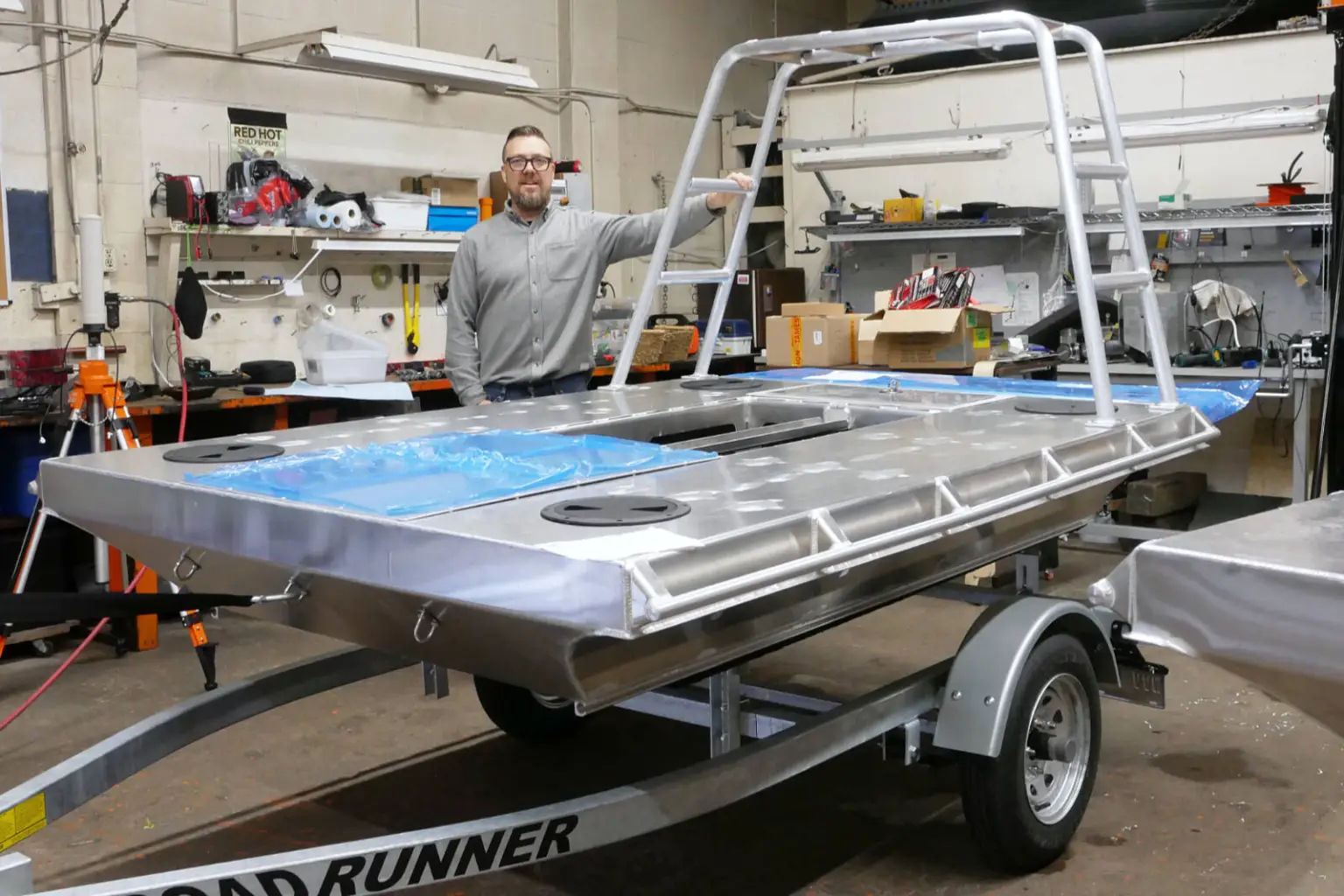
A Nanaimo technology company is creating a new wave in marine work with autonomous boats designed to do jobs that are dangerous or routine for crewed vessels. Built downtown, these remote watercraft are gaining attention from both environmental groups and defence partners.
From Idea to High-Tech Boats
James Spencer, a biologist-turned-entrepreneur, first saw the need for remote vessels when working in coastal cleanup and shoreline monitoring. After struggling to safely reach hazardous surf zones with regular boats, he began experimenting with unmanned watercraft that could be operated remotely and avoid putting people at risk.
Spencer’s early prototype led to collaborations with engineers and robotics experts, and eventually formed what is now Shift Coastal Technologies. Over about five years of development, the company has moved from garage sketches to real products that work in tough marine environments.
Jobs Too Dangerous or Too Tedious
Because many shoreline and offshore tasks are either too risky or too repetitive for human crews, these autonomous watercraft fill a growing gap. They can be used for environmental monitoring, infrastructure inspection, debris cleanup and surveillance, all without putting people in harm’s way.
The advanced models, such as the OceanSled Explorer, can carry sensors and manage tasks over long distances and rough waters. They also work in systems alongside drones and other vessels, creating a network of remote tools that extend capabilities for operators.
Civilian and Military Interest Grows
Interestingly, some of the company’s contracts now include military partners, who see value in unmanned vessels that can support coastal defence and surveillance. Spencer says combining crewed and uncrewed craft could shape future maritime operations, much like how aerial drones transformed aircraft use.
Meanwhile, civilian users benefit too, since the boats can inspect booms, monitor water conditions and help protect ports and coastal infrastructure without tying up human crews for long, dull shifts.
A Wider Role on the Water
As autonomous marine technology advances, these remote craft may become a common sight on British Columbia’s waterways, helping with tasks from shoreline protection to marine research. Their growing use reflects broader trends in automation, where technology takes on jobs that are risky or monotonous for people.
Stay updated instantly — follow us on Instagram | Facebook | X