

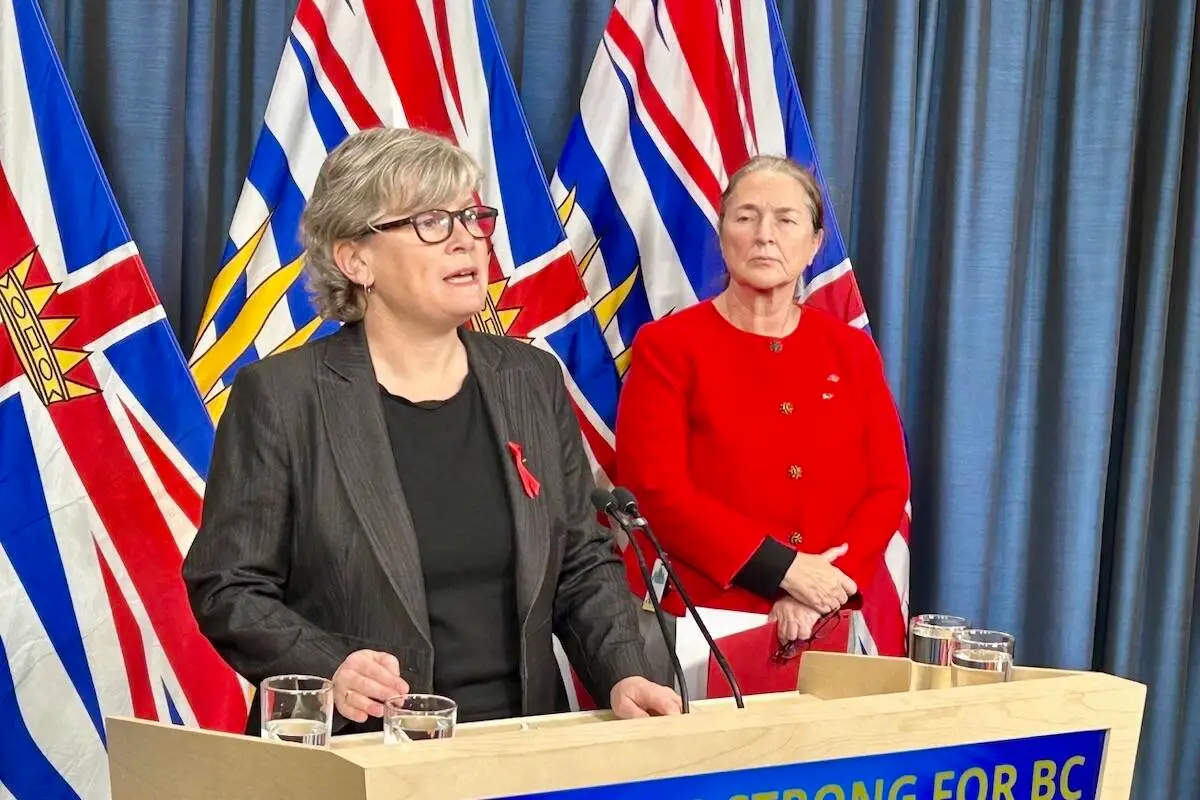
What’s the new deal about
The government of British Columbia (B.C.) has struck a landmark agreement that will bring more than 5,000 workers at privately operated but publicly funded long-term care homes under the province-wide facilities agreement.
Once implemented, these employees will receive the same pay, pension coverage and benefit protections that staff in publicly run long-term care and assisted-living homes already enjoy.
What changes for care-home workers
- Eligible care-home operators will shift into the membership of Health Employers’ Association of B.C. (HEABC), meaning staff become part of the collective bargaining agreement that covers wages, pensions and benefits.
- This move aims to create consistent labour standards across long-term care and assisted-living facilities reducing disparities that had built up over decades.
- The deal also promises improved job stability, making caregivers’ roles more secure and reducing turnover which should improve consistency of care for seniors and residents relying on long-term care services.
Voices & Reactions A Win for Workers and Seniors’ Care
According to Hospital Employees’ Union (HEU), this is a “major step forward” calling it a meaningful rollback of years of privatization and instability in senior-care homes.
A care aide shared that the change isn’t merely about better pay it’s about dignity. For her and many others, the restored pension, benefits, and fair wages mean long-term security. Meanwhile residents benefit because familiar caregivers are more likely to stay, improving consistency and quality of care.
Government officials say this agreement reinforces fair labour standards across the sector, strengthens the workforce, and ensures stable care for seniors and people with complex health needs, no matter where they live in B.C.
When and how these changes roll out
The transition will take place in two phases:
- Phase 1: from October 1, 2026 to September 30, 2027 about half of the eligible care-homes will join HEABC.
- Phase 2: from October 1, 2027 to September 30, 2028 remaining eligible homes complete transition.
During the transition, existing wage-level top-ups (introduced during COVID-19 to stabilize staffing) will continue at least until March 31, 2027 for facilities joining HEABC.
However, the deal only applies to care homes with a threshold of public funding some fully private homes may not qualify under this agreement.
Why this matters broadly
This shift helps address long-standing inequalities in B.C.’s long-term care sector, where many caregivers had inferior pay and benefits compared to their public-sector counterparts despite offering the same essential service.
By stabilizing employment conditions and ensuring fair compensation, the deal could help attract and retain staff a major factor for improving care quality for seniors and vulnerable populations.
For workers many of them women and racialized the agreement promises fairness, security, and recognition of their work’s importance.
For seniors and families across B.C., the hope is for more consistent, compassionate and dependable care by staff who know residents well and stay long-term, not churn out quickly due to unstable jobs.
Stay updated instantly — follow us on Instagram | Facebook | X