

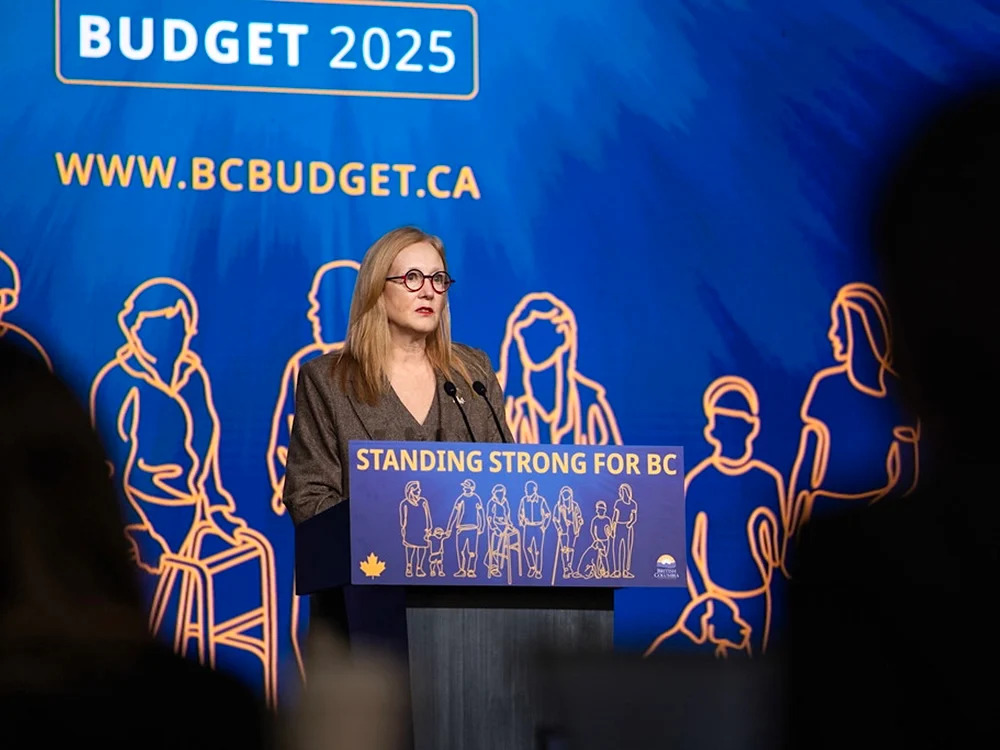
B.C. Government Warns of Rising Deficit
British Columbia’s Finance Minister has put the province on notice: the current budget deficit trajectory is “unsustainable” without changes to spending, revenue planning, and long-term fiscal strategy.
In a public statement outlining the province’s fiscal snapshot, officials stressed that ongoing deficits — driven by rising costs and slower revenue growth — pose risks to future services, infrastructure priorities, and overall financial health.
Deficit Growth Linked to Revenue and Costs
According to the finance ministry, recent fiscal numbers show that the gap between what British Columbia collects in revenue and what it spends continues to widen. Much of this gap stems from slower growth in key revenue streams, including natural resource sectors, taxes and other government fees, at the same time as costs for health care, education and housing-related supports rise.
Officials say unexpected pressures such as inflation, pandemic-linked costs and demographic changes have also contributed to tighter fiscal conditions.
Minister Calls for Strategic Action
The finance minister described the province’s current fiscal trend as difficult to maintain without affecting critical services. In a prepared statement, the minister said the government is committed to protecting essential programs but also needs to ensure long-term sustainability.
That could mean examining spending priorities, improving efficiency in major ministries, and considering policy reforms that support both economic growth and balanced budgets in future years.
Public Services and Spending Pressures
Health care, education and social services represent the largest areas of public spending in British Columbia — and all face significant cost pressures. With an aging population and growing demand for mental health, long-term care and community supports, the finance ministry noted that those investments must be carefully managed.
At the same time, spending on infrastructure such as roads, transit and broadband — while essential — adds to fiscal load, requiring thoughtful balancing.
Reaction From Opposition and Stakeholders
Opposition parties and fiscal watchdog groups have seized on the finance minister’s warning, calling for more detailed plans from the government on how it intends to control the deficit without cutting frontline services.
Some critics argue the government needs clearer timelines, sector-specific strategies and deeper engagement with health, education and business leaders to develop shared solutions. Meanwhile, others suggest exploring new revenue sources such as targeted tax reforms or economic incentives to boost growth.
Economic Context and Forecasts
Economists say that broader national and global economic trends — including slower growth in key industries, interest rate pressures and shifts in labour markets — have made provincial budgeting more challenging. British Columbia’s economy historically relies on strong performance in sectors like forestry, mining, technology and trade, but uneven market conditions have made revenue forecasting less predictable.
In this context, the finance ministry says it will continue monitoring economic indicators closely as it prepares the next formal budget update.
Next Steps for Budget Planning
The finance minister indicated that more detailed fiscal planning will be unveiled in upcoming budget documents. Those plans are expected to include projections for the coming years, proposed spending adjustments, and potential areas for government efficiency improvements.
Officials also say they will engage with stakeholders across sectors — including municipalities, First Nations, business groups and community organizations — to refine fiscal priorities.
What Residents Can Expect
For British Columbians, the finance ministry’s warning suggests residents and taxpayers may hear more about fiscal trade-offs in the months ahead. That might include difficult discussions about program expansion, spending restraint, and how best to protect social services while stabilizing the province’s long-term financial outlook.
The government asserts it will aim to communicate clearly about the choices ahead and seek public input where appropriate.
Stay updated instantly — follow us on Instagram | Facebook | X