
New Analysis Paints Stark Picture of Earthquake Risk
A freshly released hazard assessment from the British Columbia Disaster and Climate Risk and Resilience Assessment (DCRRA) offers a troubling forecast of what could happen if a major earthquake strikes the province, and highlights how preparation levels could change impacts substantially.
Devastating Scenario Outlined for “Big One”
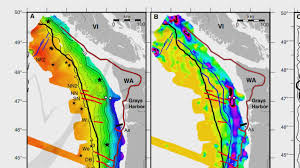
The report uses modelling to describe a worst-case situation: imagine a powerful magnitude 9.0 quake often referred to as “the big one” — ripping through the Cascadia Subduction Zone off the coast of Vancouver Island. In this scenario, violent shaking could damage thousands of buildings across Vancouver Island and the Lower Mainland, leaving scores dead, many injured, and triggering a potentially destructive tsunami that would follow just minutes later.
Officials stress that this extreme event, while rare, is scientifically plausible. Earthquakes of this magnitude have occurred along the same zone over hundreds of years, and researchers have long warned that stress is building along the fault line.
Understanding the Odds and Preparing Ahead
Although the annual chance of such a mega-quake is low at present, the likelihood increases over decades, and scientists cannot predict the exact timing of its occurrence. In fact, it’s been more than three centuries since the last known massive shake in this region.
Because quakes cannot be forecasted like storms, preparedness measures remain the most effective way to reduce risk. Provincial and federal governments, along with local communities, have been developing an Earthquake Early Warning system that can give residents precious seconds of alert before strong shaking begins, allowing them to take protective actions like “Drop, Cover and Hold On.”
Risk Awareness Crucial for Public Safety
The new DCRRA findings underscore that the impact of a major quake depends not only on its size but on how ready communities are when it strikes. A strong emphasis on strengthening infrastructure, retrofitting buildings, emergency planning, and public drills is essential to limit damage and save lives when the next big event eventually comes.