

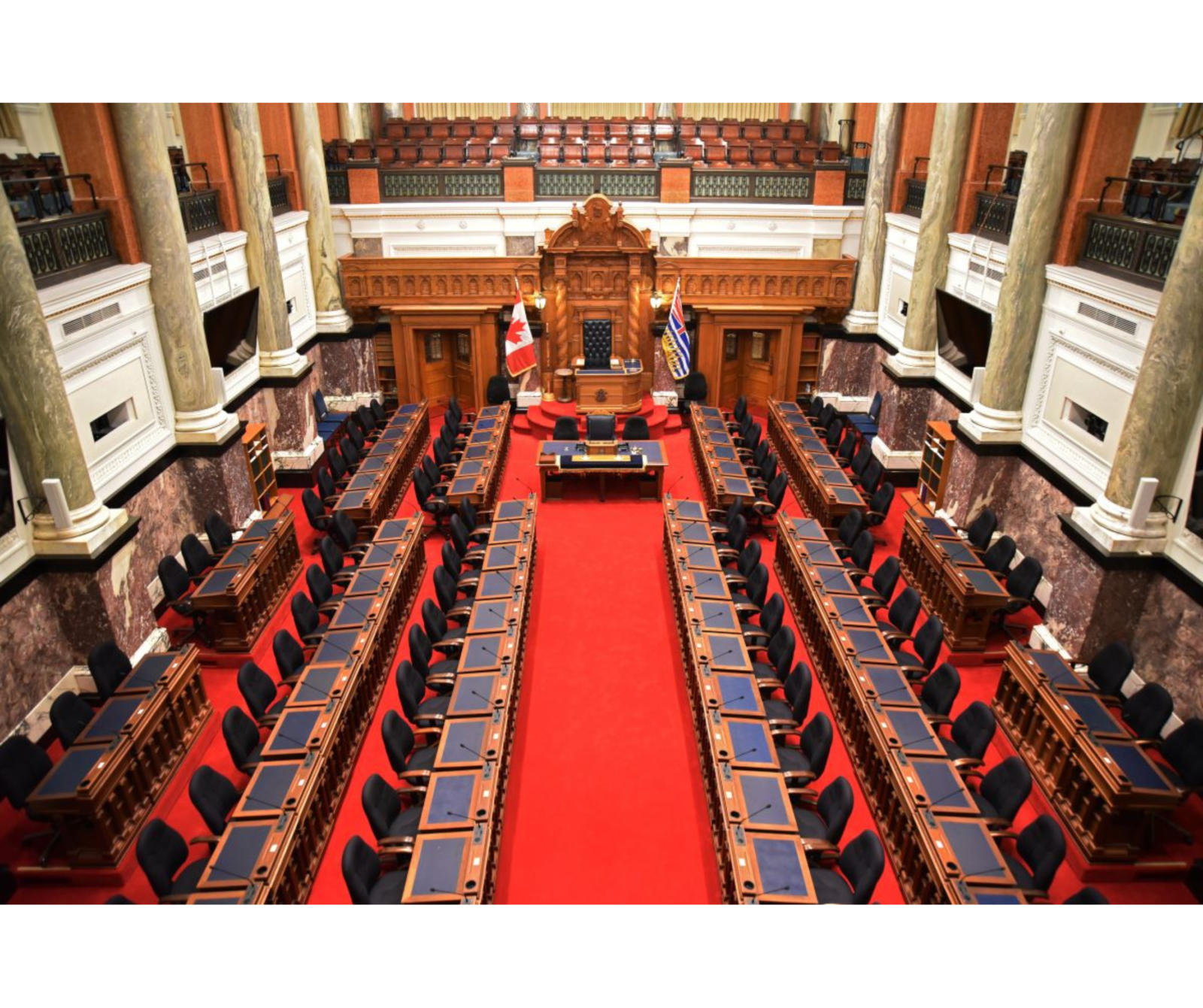
The B.C. government faces criticism after moving quickly to rewrite rights legislation, with legal experts and advocates warning of risks.
A fast-moving plan to rewrite a key rights law in British Columbia is drawing sharp criticism — and raising serious questions.
The provincial government says changes are needed. Critics say the process feels rushed. As debate heats up, legal experts, civil liberties advocates, and opposition voices are sounding the alarm.
So what’s at stake? And why are so many people concerned?
Government Pushes Forward With Changes
The proposed overhaul centres on legislation that shapes how rights are interpreted and protected across the province. While officials argue that updates will modernize the framework, many observers say the timeline leaves little room for meaningful public input.
According to the government, reforms are designed to clarify language, address emerging legal challenges, and ensure consistency with federal standards. However, the speed of the review has triggered backlash.
In recent weeks, consultation periods have been described as limited. As a result, community groups say they have not had enough time to analyze the potential impact.
Critics Warn of Unintended Consequences
Legal scholars and advocacy organizations argue that rewriting rights legislation demands careful scrutiny. Rights laws form the backbone of democratic protections. Therefore, even small wording changes can carry significant consequences.
Some critics worry that vague language could weaken existing safeguards. Others fear that procedural changes might restrict access to justice.
Although the government insists protections will remain intact, critics remain unconvinced. In fact, several civil liberties groups have called for the process to pause until broader consultations take place.
Debate Reaches the Legislature
The issue has now reached the floor of the legislature in Victoria. Heated exchanges unfolded as opposition members pressed for transparency.
Lawmakers questioned why the review timeline was condensed. They also asked whether constitutional experts had been adequately consulted.
Meanwhile, government representatives defended their approach. They emphasized that updates are necessary to reflect evolving legal standards and societal changes.
Still, calls for greater openness continue to grow.
Why the Process Matters
Rights legislation is not ordinary law. It shapes how courts interpret freedoms, equality protections, and due process. Consequently, legal observers say the process behind any changes matters just as much as the content.
Public trust depends on transparency. When reforms move quickly, concerns often follow.
Moreover, stakeholders argue that communities directly affected by rights protections deserve a strong voice in shaping them. Without robust dialogue, critics say confidence in the system could erode.
Public Reaction Builds Across B.C.
Beyond the legislature, reaction is spreading throughout British Columbia. Advocacy groups have issued public statements. Legal associations are reviewing draft language. Social media debates are intensifying.
While some residents support modernization efforts, others question the urgency.
Community leaders stress that rights laws must be handled with caution. They point out that once changes are enacted, reversing them can prove difficult.
As a result, pressure is mounting on the government to slow down.
Government Defends Its Timeline
Officials maintain that the review has followed appropriate procedures. They argue that internal legal analysis and stakeholder engagement have already occurred.
Furthermore, the government says delays could hinder the province’s ability to respond to emerging legal challenges.
Supporters of the reform contend that modernization strengthens protections rather than weakens them. They also note that legislative debate allows for amendments before final passage.
However, critics counter that true consultation requires more than formal debate. They call for extended public hearings and independent expert review.
What Happens Next?
The bill will continue through legislative stages in the coming weeks. Amendments may be introduced. Public pressure could shape revisions.
If passed, the updated framework will influence how rights cases are argued and decided in courts across the province.
Because of that impact, observers say the stakes remain high.
A Turning Point for Rights in B.C.?
Moments like this often define how governments balance efficiency with democratic accountability. On one hand, lawmakers must respond to changing realities. On the other, foundational rights demand careful handling.
The outcome of this debate could shape public trust for years to come.
For now, the controversy shows no signs of fading. As scrutiny intensifies, British Columbians will be watching closely.
The question remains clear: should rights laws move quickly — or cautiously?
The answer may determine more than just legislative wording. It may define how the province protects its most fundamental freedoms.
Stay updated instantly — follow us on Instagram | Facebook | X