

Industry Leaders Clash Over B.C.’s Energy Vision
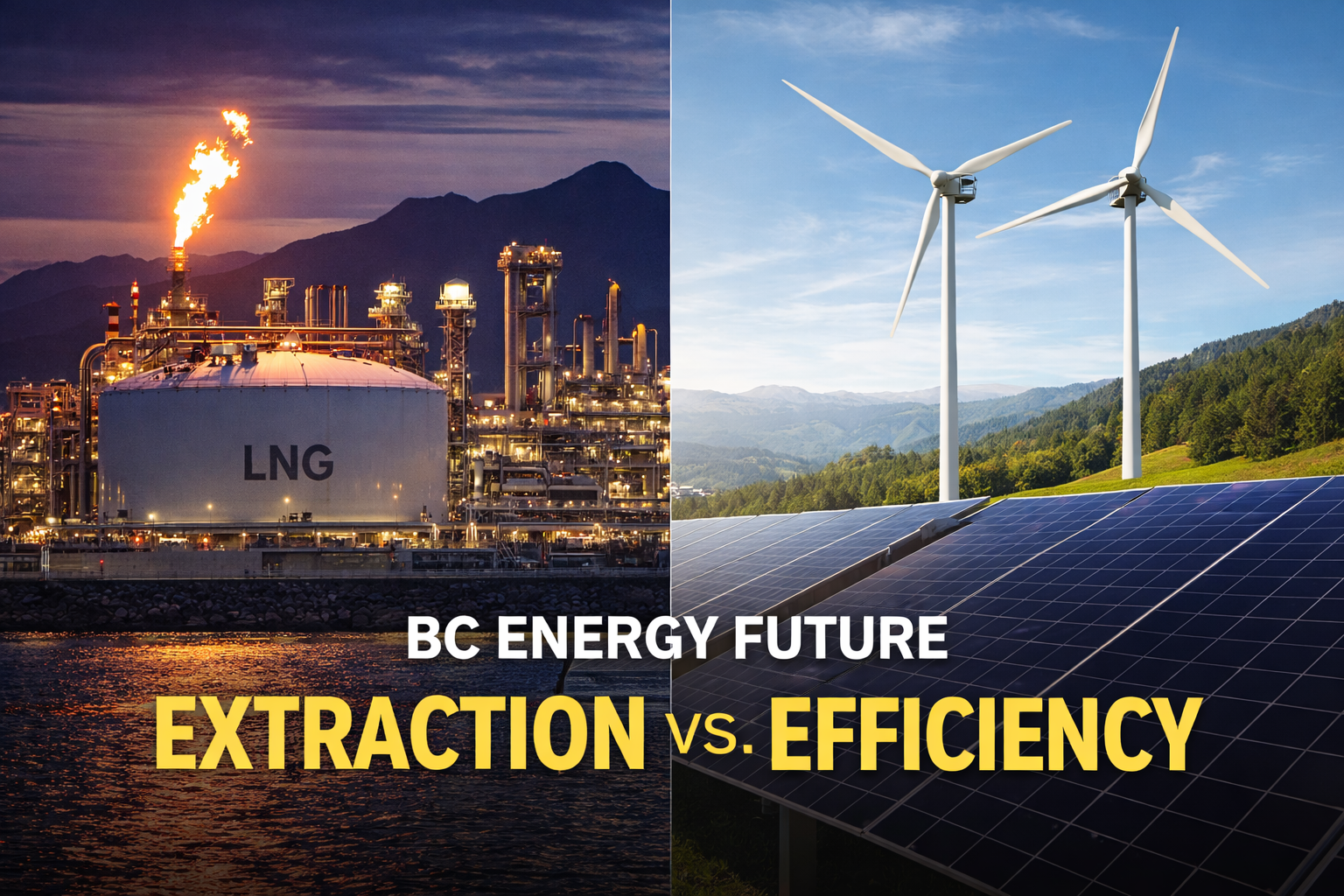
Business leaders and energy experts gathered in Vancouver to trade competing ideas about British Columbia’s energy future, sparking a lively debate that highlighted a core dilemma: should the province double down on extracting natural resources, or shift more aggressively toward efficiency and electrification?
The conversation took place in a packed ballroom, where representatives from the oil and gas sector, clean energy advocates, and policymakers shared sharply different perspectives about how B.C. should balance economic growth with environmental stewardship.
Advocates for Extraction Stress Economic Opportunity
Some industry voices argued that expanding traditional energy sectors — like liquefied natural gas (LNG) and other resource extraction projects — will be crucial for B.C.’s economic prosperity. They pointed to global demand for LNG and the need for jobs and revenue that come from tapping into the province’s abundant energy resources.
These proponents believe that responsible development, paired with technological advancements, can allow B.C. to capture value from its natural resources while still working toward emissions reductions. They highlighted that traditional energy industries have long been economic drivers in the province, supporting thousands of jobs and contributing significantly to local communities.
Efficiency Advocates Push for Electrification and Clean Tech
On the other side of the debate, clean energy supporters and technology advocates argued that B.C. should accelerate its shift toward efficiency and electrification. They contend that investing in renewable power, reducing overall energy consumption, and modernizing infrastructure will yield long-term environmental and economic gains.
These voices stressed that embracing energy efficiency can reduce greenhouse gas emissions while fostering innovation in sectors such as electric mobility, grid modernization, and building performance standards. Initiatives like the BC Energy Step Code, which promotes higher energy efficiency in new buildings, are examples of the kinds of policies efficiency proponents want to build on.
The Middle Ground: Can Both Paths Coexist?
Amid the debate, several leaders suggested that the future of B.C.’s energy landscape might lie somewhere in the middle. They argued for a pragmatic approach that balances responsible extraction with policies that support energy efficiency, clean power development, and reduced emissions.
Supporters of this blended strategy see opportunity in leveraging B.C.’s clean electricity grid, led by entities like BC Hydro, while also responsibly developing resources that serve both domestic needs and export markets.
This balanced vision, they say, could ensure economic resilience while positioning the province as a leader in the transition to a lower-carbon future.
Public Policy at the Crossroads
The discussions highlighted how crucial public policy will be in shaping B.C.’s energy trajectory. Government decisions on everything from LNG facility approvals to efficiency standards and electrification incentives will significantly influence which vision becomes reality.
With global climate goals tightening and markets shifting toward cleaner energy, B.C. finds itself at a pivotal moment. Stakeholders on all sides agree that the decisions made now will echo for decades — affecting jobs, communities, and the environment.
What’s Next for B.C. Energy Strategy?
As the debate continues, one thing is clear: British Columbia’s future energy mix will be the result of complex discussions and negotiations among industry leaders, policymakers, Indigenous communities, and citizens. Finding common ground — or forging hybrid solutions — could help the province navigate economic growth and environmental responsibility together.
Whether that means prioritizing new technologies, smarter efficiency measures, or continued resource development, the conversation unfolding now will shape B.C.’s energy legacy for generations to come.
Stay updated instantly — follow us on Instagram | Facebook | X