

BC Budget Delays Major Health and Housing Projects
Big projects. Big expectations. Now, big delays.
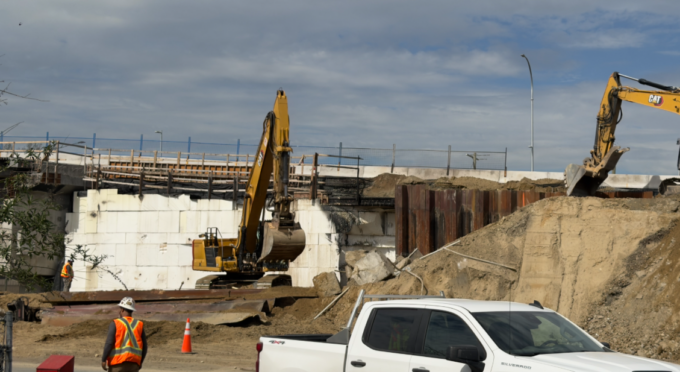
The latest budget from British Columbia has pushed back several major projects. These include new care homes, hospital upgrades, a cancer treatment centre and student housing developments. As a result, pressure on the health-care system could grow fast.
The province says it must manage spending carefully. However, advocates warn that these delays could affect seniors, patients and students right away.
Let’s break down what this means.
Seniors May Feel the Impact First
First and most urgent, new long-term care homes have been postponed.
British Columbia’s population is aging quickly. Therefore, demand for care spaces keeps rising. When seniors cannot move into long-term care, they often stay in hospital beds longer than needed. Because of that, hospitals lose space for new patients.
This ripple effect creates longer emergency room waits. It also stretches nurses and doctors even further.
Moreover, many existing care homes are older buildings. New projects were meant to offer modern rooms, better infection control and safer spaces. Now, those improvements must wait.
Families already on waitlists may face longer delays. As a result, stress levels could climb for both seniors and caregivers.
Hospital Upgrades Put on Hold
Next, planned hospital expansions have also been delayed.
Hospitals across the province often run near full capacity. During flu season and other peak periods, they struggle to manage patient flow. Therefore, expansion projects were seen as critical.
Without added beds and updated facilities, hospitals must keep working with tight space. In turn, staff burnout could rise.
At the same time, construction delays may increase costs later. Building materials and labour rarely get cheaper. So postponing projects today could mean higher bills tomorrow.
Cancer Centre Delay Raises Concerns
Perhaps the most worrying delay involves a new cancer treatment facility.
Cancer cases increase as populations grow and age. Therefore, timely access to treatment matters more than ever. A new centre would have reduced travel times for many patients.
Right now, some people must travel long distances for chemotherapy, radiation or specialist visits. This adds financial strain and emotional stress. When treatment centres are far away, families also face added challenges.
Early diagnosis and fast treatment improve outcomes. So any slowdown in expanding services raises concern.
Patients and advocacy groups say clear timelines are needed. Without them, uncertainty grows.
Student Housing Projects Also Paused
Health care is not the only area affected. Student housing projects have also been pushed back.
Colleges and universities in British Columbia have seen steady enrolment growth. At the same time, housing costs remain high in many communities. On-campus housing helps ease that pressure.
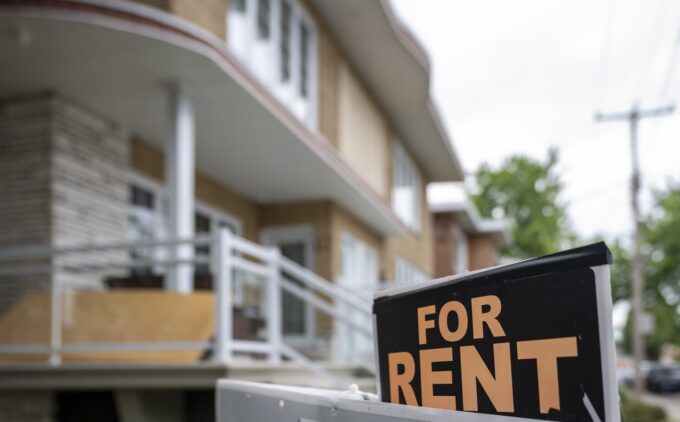
When new student residences do not move forward, students compete in tight rental markets. Consequently, rents can rise further in nearby neighbourhoods.
Affordable housing supports academic success. It also helps attract students from across Canada and around the world. Delays could affect those decisions.
Government Focuses on Fiscal Caution
The provincial government says it must balance spending with economic realities.
Budget planning often involves tough choices. On one hand, operational costs like staffing and services demand immediate funding. On the other hand, capital projects require large investments over several years.
Officials argue that phased development can protect financial stability. However, critics say health and housing projects are essential, not optional.
Advocates are calling for transparency. They want updated timelines and clear communication. That way, communities can plan with more certainty.
Economic Effects Beyond Health Care
Infrastructure projects also support local economies.
Large builds create construction jobs. They generate contracts for engineers, suppliers and trades. In addition, nearby businesses often benefit from increased activity.
When projects pause, that economic boost slows. Communities expecting growth may need to adjust plans.
Still, some analysts note that careful timing can help manage long-term debt. The challenge lies in balancing caution with urgent need.
What Happens Next?
For now, many questions remain.
Will timelines shift again?
Will funding be restored sooner than expected?
How will hospitals manage rising demand in the meantime?
What remains clear is this: seniors, patients and students rely on these projects.
As British Columbia grows and ages, infrastructure must keep pace. Delays may offer short-term budget relief. However, they could bring long-term strain if capacity does not expand soon.
The debate will likely continue in the months ahead. In the meantime, families, health-care workers and students watch closely.
Because when it comes to care, housing and health, timing matters.
Stay updated instantly — follow us on Instagram | Facebook | X