

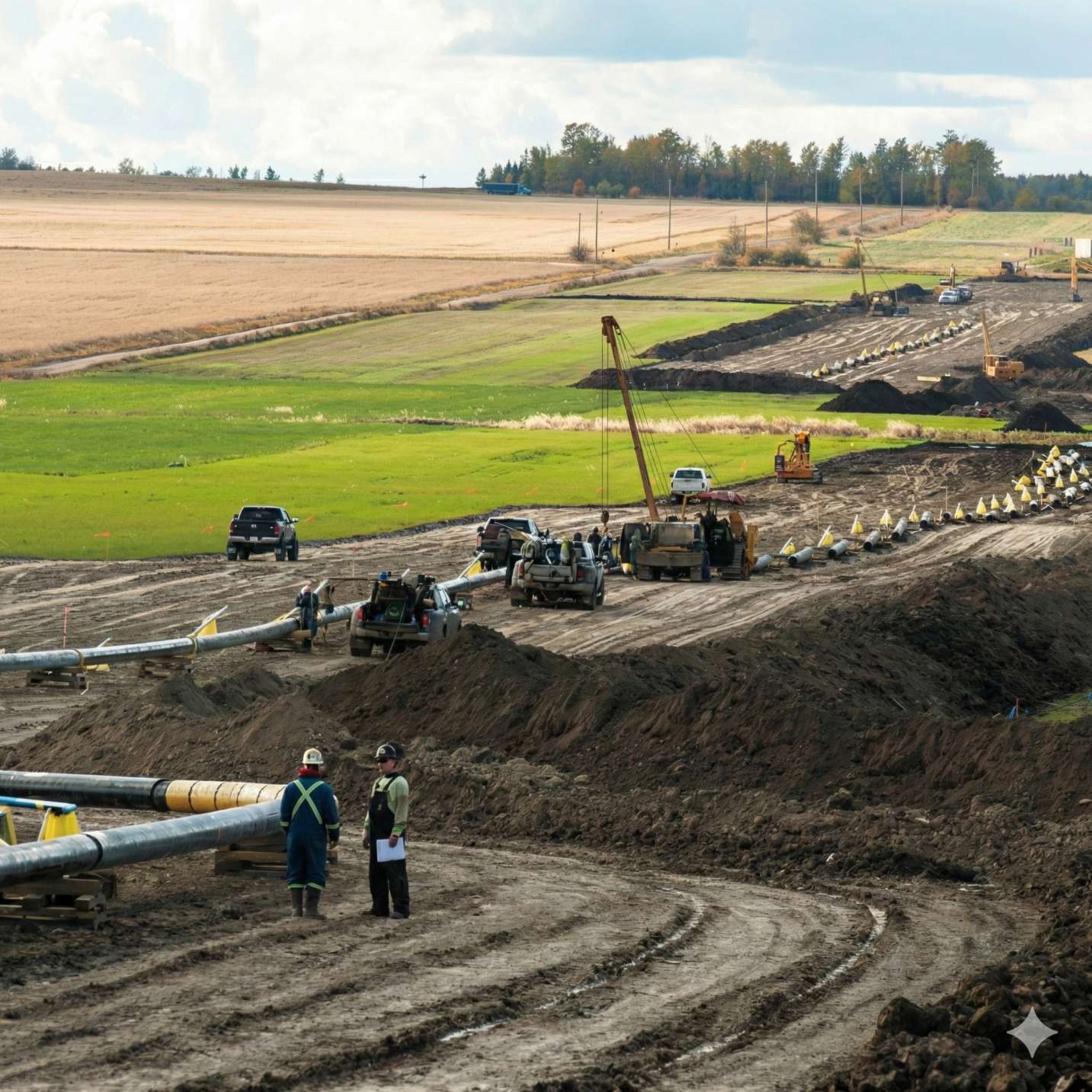
Researchers Sound the Alarm on Health Risks Near Fracking Wells
Scientists and doctors in northeastern British Columbia are raising serious concerns about how fracking might be affecting people’s health in the Peace River region. After reviewing dozens of past studies and meeting with local leaders, they say there are patterns that merit closer attention and ongoing research. The debate combines scientific evidence, observations from health professionals, and community worries about long-term consequences.
Concern Over Unusual Cancer and Lung Cases
At a recent council meeting in Dawson Creek, local family physicians shared troubling patterns they’ve seen in their patients. One long-time doctor noted an unusually high number of rare cancer diagnoses among residents who live close to fracking activity. In one summer alone, most lung biopsies performed came back positive for cancer, far above what would normally be expected in a community of this size.
In another set of diagnoses dating back several years, several people developed a rare lung condition with no known cause at much higher rates than typical, adding to the urgency behind the researchers’ push for deeper investigation.
Chemical Exposure and Health Signals
Researchers argue that chemicals released into the air and water near fracking sites could be affecting people’s cells on a biological level. A scientist leading health studies in the region explained that exposure to these contaminants might damage cells’ genetic material, which is a known step in the development of cancers, heart disease, respiratory problems, and birth issues.
Data collected from pregnant women in the region — including tests of hair, urine, and environmental samples — showed higher levels of certain chemicals than expected when compared to broader Canadian population averages. Though this doesn’t prove cause and effect, it adds to concerns raised by earlier scientific research on environmental health around fracking.
Evidence From Broader Research
Globally, scientists have been studying the potential health impacts of hydraulic fracturing for years. Reviews of hundreds of studies have linked living near fracking sites to a range of possible health outcomes, including premature birth, congenital issues at birth, childhood cancers, and cardiovascular disease. Though these studies vary in scope and quality, many report patterns that merit further research and careful policy consideration.
Earlier Canadian studies also found elevated levels of metals and other contaminants in people living near fracking wells, especially in northeastern B.C., further highlighting the need for a clearer scientific picture of how fracking might affect human health.
Balancing Health and Economy
Local leaders acknowledge that many residents work in the oil and gas sector, which supports livelihoods across the region. As debates continue, elected officials say it’s important to weigh economic realities alongside public health. In response to concerns, more air quality monitors have been installed, and advocates hope that public access to environmental monitoring data will help communities better understand the risks.
As studies continue and more data become available, citizens and scientists alike are watching closely to see whether patterns of disease and chemical exposure near fracking sites will prompt new health policies or regulations.
Stay updated instantly — follow us on Instagram | Facebook | X