
As avian influenza continues to circulate among wild bird populations in British Columbia, veterinarians in Surrey are urging cat owners across the Lower Mainland to stay alert to potential risks.
Boundary Bay Veterinary Specialty Hospital says while bird flu primarily affects birds, cats can become infected under certain conditions, particularly through contact with wildlife or contaminated food sources. The hospital has seen a rise in questions from pet owners concerned about how the virus could affect household pets.
How cats can be exposed to bird flu
According to veterinary specialists, feline infections most often occur through direct or indirect exposure to infected birds. Risk increases when cats hunt outdoors or consume raw animal products.
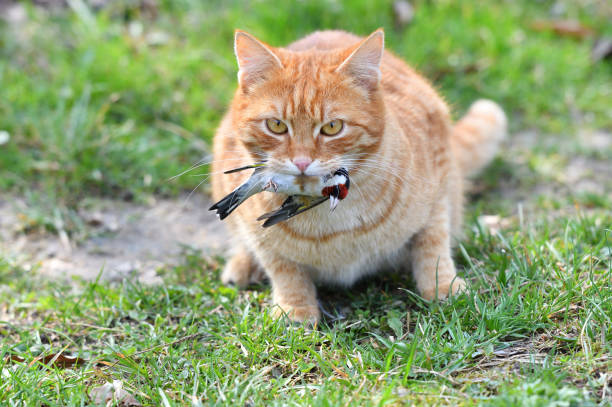
Veterinarians say potential exposure pathways include eating or chewing on sick or dead wild birds, catching rodents that have come into contact with infected birds, or consuming raw poultry, raw eggs, or unpasteurized milk. Living near backyard poultry or areas experiencing active outbreaks can also elevate risk, as can contact with feathers, droppings, or carcasses in affected locations.
Symptoms that require veterinary attention
If a cat becomes infected, symptoms may appear rapidly. Veterinarians warn that early signs can be subtle but should not be ignored, especially if there has been recent wildlife exposure.
Symptoms may include lethargy, reduced appetite, fever, discharge from the eyes or nose, breathing difficulties, unsteady movement, or noticeable changes in behaviour. While these signs are not exclusive to bird flu, specialists stress that prompt veterinary assessment is critical.
Steps pet owners can take to reduce risk
Boundary Bay Veterinary Specialty Hospital recommends several preventative measures to help protect cats during periods of heightened avian influenza activity.
Veterinarians advise avoiding raw diets, particularly raw poultry and unpasteurized animal products. Cats should be kept away from sick or dead birds and supervised when outdoors. Households with backyard chickens or ducks are encouraged to keep pets separated from poultry, and pet owners should wash their hands after handling birds, bird feeders, or outdoor equipment.
Veterinary support available in Surrey
Boundary Bay Veterinary Specialty Hospital is a 24-hour specialty, emergency, and critical care facility based in Surrey. The hospital provides advanced veterinary services to pets across Metro Vancouver and throughout British Columbia, including internal medicine, oncology, neurology, surgery, cardiology, diagnostic imaging, and rehabilitation.
Veterinarians say awareness and prevention remain the best tools for reducing risk, and pet owners with concerns are encouraged to consult their veterinarian if exposure is suspected.
Stay updated instantly — follow us on Instagram | Facebook | X