
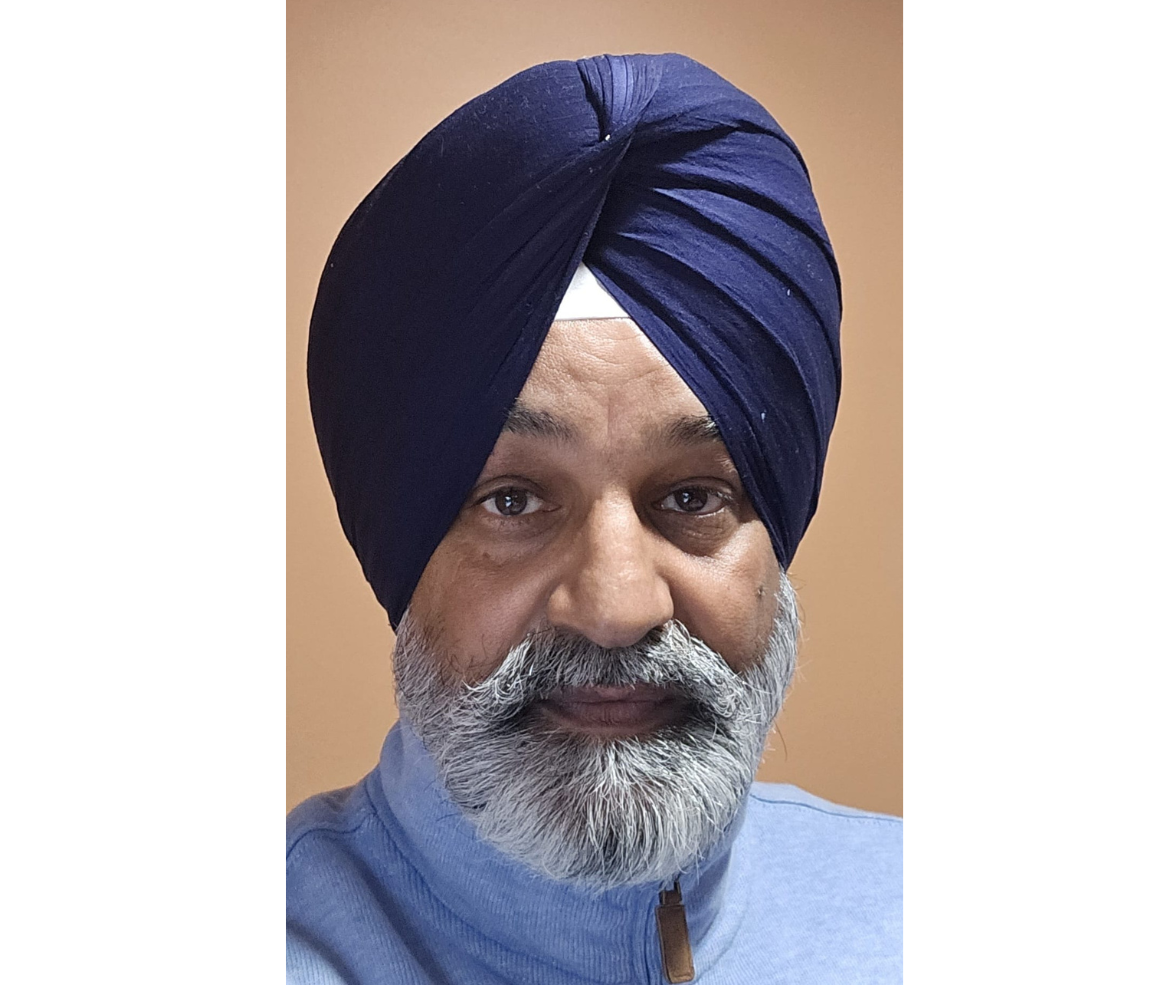
Surrey-based promoter Tejinder Aujla urges legal reform to rescue Circle Kabaddi from violence, chaos, and global suspension.
A Sport at the Brink of Breakdown
Circle Kabaddi stands at a turning point. However, instead of cheers and pride, fear and confusion now surround the game. Therefore, Surrey-based international sports promoter Tejinder Singh Aujla has stepped forward with a bold message: Kabaddi does not need bans or blame. Instead, it needs structure, law, and leadership.
Recently, organizers suspended all Circle Kabaddi tournaments worldwide for 2026. Meanwhile, Punjab will host limited events only until April. This decision shocked fans across the globe. Consequently, it also exposed how fragile the sport has become.
Violence Casts a Long Shadow
Sadly, violence has followed Circle Kabaddi for years. Since 2020, several top players have lost their lives. As a result, public trust has faded fast. The killing of Sandeep Nangal Ambian marked the start. Later, more names joined the list. Most recently, gunmen killed Kanwar Digvijay Singh, known as Rana Balachauria, at a tournament venue in Mohali.
Because of these repeated attacks, the sport now carries a heavy stigma. Therefore, sponsors hesitate. Fans worry. Organizers struggle.
Big Money, Zero Order
Every year from November to April, Punjab’s villages turn into Kabaddi arenas. Moreover, prize money often reaches lakhs. Winners take home cars, motorcycles, and even gold. As a result, crowds gather in thousands.
However, no single body controls the game. Instead, rival groups run events. Therefore, players loyal to one faction often face bans from others. This split has weakened the sport from within. Eventually, the chaos forced organizers to pause all tournaments for a year.
A New Body, A New Hope
In December, promoters met to find a way out. As a result, they agreed to form the Federation of International Kabaddi Federations and Associations (FIFKA). The group plans to write rules, set schedules, and discipline players and organizers.
Although this step matters, Aujla says it is not enough. Therefore, he calls for full legal recognition and public oversight.
Why Kabaddi Means More Than a Game
Kabaddi runs deep in Punjabi life. As former Canadian MLA Jagrup Singh Brar once said, Punjabis live with two hearts. One beats for Punjab. The other beats for their adopted home.
Aujla expands this idea further. He says one heart beats for Kabaddi, while the other beats for hockey. Therefore, wherever Punjabis settle, these sports follow. As a result, Circle Kabaddi thrives not just in India but across the global diaspora.
Simple Game, Powerful Roots
Kabaddi needs no equipment. Instead, it demands speed, strength, and courage. Raiders attack. Stoppers defend. Meanwhile, modern players often do both.
More importantly, Circle Kabaddi reflects Punjab’s rural soul. For generations, villages played it during harvests and fairs. Therefore, it became a symbol of pride, honor, and unity. Because of this deep link, many call it the “mother game of Punjab.”
Growth Without Governance
As media attention grew, money flowed in. Consequently, small village matches turned into massive events. Some tournaments even offered crores in prize money. However, no system grew alongside this wealth.
Unlike other sports, Kabaddi never built strong institutions. Therefore, self-made bodies claimed control. Decisions followed power, not fairness. Over time, corruption crept in. Moreover, criminal gangs, drug abuse, and doping found space.
According to Aujla, these issues thrive because the sport lacks legal status. No government body oversees it. No clear rules protect players.
Law as Protection, Not Punishment
Aujla stresses one clear point. Legal governance will not kill Kabaddi. Instead, it will save it. Therefore, he urges lawmakers and public institutions to step in.
Transparency, accountability, and safety must come first. Only then can the sport grow in a healthy way. Otherwise, decline will continue.
A Ten-Year Vision for Revival
Kabaddi now faces one of its darkest phases. Violence, poor planning, and short-term thinking dominate. Therefore, Aujla calls on thinkers, leaders, and community voices to act.
He proposes a clear ten-year plan. This plan would build structure from village grounds to global arenas. Moreover, it would protect culture while embracing professionalism.
Aujla has already prepared a detailed blueprint. Those who want to help revive Circle Kabaddi can contact him directly at teji_55@hotmail.com.
The Final Whistle—or a Fresh Start?
Circle Kabaddi still holds massive power. It unites communities. It celebrates courage. However, without reform, its future remains at risk.
Now, the choice stands clear. Either the sport embraces law and order, or it continues to drift. As Aujla believes, with the right structure, Circle Kabaddi can rise again—stronger, safer, and respected worldwide.
Stay updated instantly — follow us on Instagram | Facebook | X