

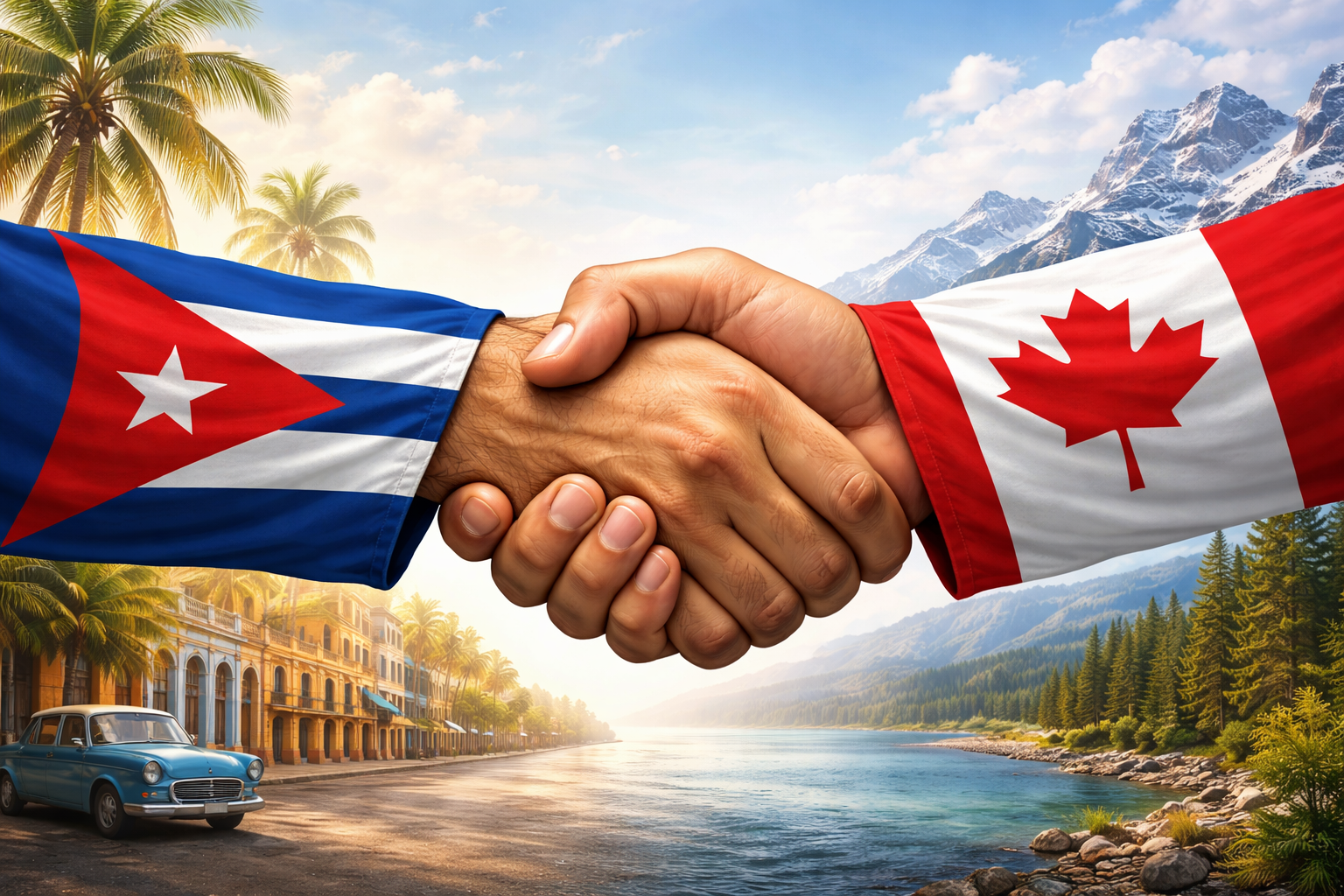
A neighbour steps in when help is needed
When daily life becomes uncertain, small things suddenly matter most. A loaf of bread. A basic antibiotic. Reliable electricity for a few hours at night. For many Cuban families, those simple comforts have recently turned into daily worries. Now, Canada is stepping forward with humanitarian assistance designed to ease that pressure.
Ottawa has announced expanded support programs for Cuba, focusing on practical needs rather than political messaging. Officials say the purpose is straightforward: help people handle shortages that have grown worse over the past few years. Therefore, funding will flow through international humanitarian organizations already operating on the island. Those groups understand neighbourhood realities, which means help can move faster and reach homes directly.
Moreover, Canadian leaders stress that humanitarian policy works best when it responds to human conditions first. Because communities face immediate challenges, the response aims to provide relief without delay. Consequently, aid will focus on food security, health care access, and vulnerable families.
Why Cuba needs help right now
Cuba’s economic strain did not begin overnight. However, the pandemic accelerated problems that had been building for years. Tourism, one of the country’s most important revenue sources, nearly stopped during global travel restrictions. As visitors disappeared, foreign currency earnings also fell sharply. Without those funds, importing goods became harder.
At the same time, global inflation increased the cost of essential products. Shipping prices climbed, suppliers tightened contracts, and delivery schedules stretched longer. Therefore, grocery stores began experiencing shortages more frequently. Residents often waited in long lines hoping basic items would arrive that day.
Power outages added another layer of difficulty. Electricity production relies on fuel imports, yet fuel purchases grew complicated and expensive. Consequently, blackouts affected both households and hospitals. Daily routines had to adjust constantly, which created uncertainty across communities.
Health care workers also noticed supply gaps. Items considered ordinary elsewhere, such as pain medication or diagnostic materials, became difficult to obtain consistently. Because medical systems depend on reliable inventory, doctors had to adapt treatment schedules. As a result, international humanitarian support became increasingly important.
What Canada is actually sending
Canada’s aid plan focuses on essentials that improve everyday living conditions. Instead of large construction projects, the approach emphasizes immediate relief. Officials confirmed funding will support community kitchens, maternal care, and agricultural programs that increase local food production.
Community kitchens will provide prepared meals to seniors and families facing severe shortages. Meanwhile, nutrition programs will target children to ensure consistent calorie intake during school periods. These efforts aim to reduce hunger risk while long-term solutions develop.
Health initiatives will also receive support. Medical supplies, diagnostic equipment, and maternal care resources will be delivered through partner organizations. Because local clinics already serve neighbourhood populations, distribution can happen efficiently and without unnecessary bureaucracy.
Agriculture programs form another important piece. Seeds, training, and tools will help small farms grow produce locally. Therefore, communities can reduce dependence on distant imports. Over time, local production may stabilize food availability and improve resilience during economic fluctuations.
The embargo challenge
The long-standing U.S. embargo continues to influence nearly every international transaction involving Cuba. Even when countries want to provide assistance, financial and logistical barriers appear quickly. Banks often hesitate to process payments connected to Cuban trade due to regulatory complexity. Shipping companies sometimes avoid contracts because insurance and compliance requirements increase costs.
Because of these conditions, humanitarian organizations must plan deliveries carefully. They coordinate payment channels, confirm legal exemptions, and arrange transportation through approved routes. Although assistance remains legal, administrative steps can slow movement significantly.
Canada cannot change American policy. However, Canadian officials say humanitarian rules under international law allow targeted aid programs. Therefore, the government works with experienced agencies familiar with operating under such restrictions. This cooperation helps ensure supplies reach communities without violating regulations.
Moreover, humanitarian actors argue that ordinary citizens should not carry the burden of geopolitical disagreements. While governments debate policy, families still require food and medical care. Consequently, relief programs focus on protecting civilian well-being regardless of political context.
Canada’s long relationship with Cuba
Canada and Cuba share a diplomatic history stretching back decades. Unlike many Western nations, Canada maintained continuous diplomatic relations even during periods of tension between Cuba and the United States. Because communication channels always remained open, cooperation projects developed steadily over time.
Canadian tourists have travelled to Cuban destinations for generations, creating strong people-to-people familiarity. Cultural exchanges, educational partnerships, and disaster response coordination also formed over the years. Therefore, both countries already possess working relationships that simplify humanitarian collaboration.
This background matters during crises. When organizations already trust each other, planning becomes quicker and misunderstandings decrease. Aid programs can launch faster because administrative frameworks exist. Consequently, assistance reaches residents sooner than it might in unfamiliar environments.
Experts also note that consistent diplomatic engagement encourages stability. Rather than reacting only during emergencies, ongoing cooperation builds capacity for future challenges. So Canada’s current support fits into a broader history of steady interaction rather than a sudden policy shift.
Focus on people, not politics
Canadian officials repeatedly emphasize that the initiative addresses human needs, not political positions. The programs target households experiencing hardship, particularly seniors, children, and patients requiring ongoing care. Because those groups feel shortages first, relief efforts concentrate on them.
Humanitarian organizations echo that approach. They measure success by improved nutrition levels, reliable medical access, and community stability. Therefore, evaluation reports will track practical outcomes such as meals served or treatments delivered instead of political benchmarks.
Furthermore, experts believe humanitarian engagement can reduce regional pressures. When people find stability at home, migration stress declines and communities recover more quickly. Although aid alone cannot resolve economic challenges, it provides breathing room while longer-term solutions develop.
Importantly, transparency will guide distribution. Partner agencies must report progress regularly to ensure funds produce measurable benefits. As a result, Canadian taxpayers can see how assistance supports real families abroad.
What happens next
Aid distribution will roll out over several months, allowing organizations to assess changing needs. If shortages shift from food to health care or energy-related concerns, programs can adapt accordingly. Flexibility remains essential because economic conditions continue evolving.
Officials also plan ongoing communication with humanitarian partners. Feedback from local workers will shape future decisions, ensuring support matches current realities rather than outdated assumptions. Consequently, Canada can adjust funding levels or program focus as necessary.
While no single initiative solves complex economic difficulties, immediate relief matters. For families facing empty shelves or unavailable medicine, timely assistance changes daily life. Therefore, the program aims to stabilize conditions while broader regional discussions continue.
For now, Canada’s message remains simple and consistent: when neighbours struggle, practical help comes first.
Stay updated instantly — follow us on Instagram | Facebook | X