
A quiet neighbourhood interrupted
South Delta is known for calm streets, tidy yards, and a sense of routine. Residents often recognize passing neighbours, delivery drivers, and dog walkers. Because of that comfort, many people feel safe during the daytime. However, one recent incident proved how quickly that feeling can change.
During the day, a homeowner noticed movement inside their house that did not make sense. Nothing had sounded forced. No loud noise warned them. Instead, the person simply realized someone unfamiliar was inside their living space. Confusion came first, followed immediately by fear.
The resident approached carefully and then saw a stranger standing inside the home. At that moment, an ordinary day became tense and unpredictable.
The confrontation
The homeowner demanded to know why the person had entered the house. Instead of threatening behaviour, the stranger gave an unexpected answer. He claimed he was only looking for a bathroom.
The explanation felt strange and unsettling. Entering a private home without permission crosses a clear boundary. Even if the person seemed calm, the situation remained serious. The resident kept distance and continued questioning him.
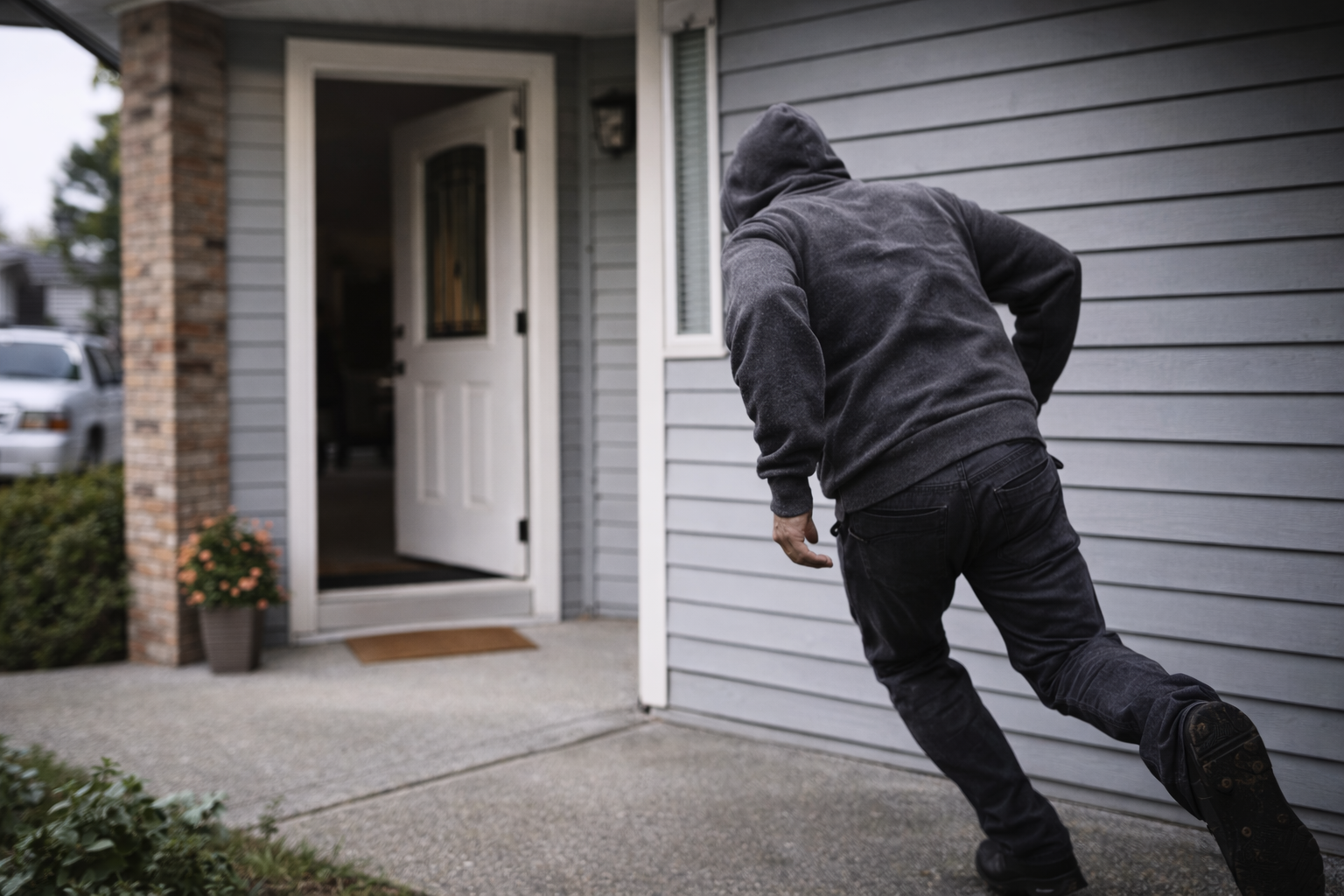
Within moments, the suspect chose to leave rather than continue the interaction. He walked quickly out of the residence and headed away from the property. The encounter lasted only a short time, yet the impact remained strong long after he left.
A quick reaction from the resident
Although shaken, the homeowner acted fast. They managed to take a photo of the suspect before he disappeared from view. That single action gave police something valuable — a visual reference that could help identify the individual.
Afterward, the resident contacted authorities and explained exactly what happened. Officers recorded the details carefully, including the time, the behaviour, and the direction the suspect travelled. Clear information matters because even unusual cases can connect to other incidents nearby.
The resident later described feeling both relieved and unsettled. Relieved because the person left quickly. Unsettled because someone had entered the home so easily.
Why the explanation still matters
Police stress that the reason given does not change the seriousness of the situation. Entering a home without permission is considered a criminal offence regardless of intent. A claim about needing a washroom does not remove the risk to occupants.
From a safety perspective, residents cannot assume harmless intent. Someone could be confused, impaired, scouting a property, or attempting theft. Because the homeowner cannot know the motive, officers treat every unauthorized entry as potentially dangerous.
Therefore, police classify the incident as a break-in investigation even though no major property loss was reported.
The emotional impact
Crimes involving homes affect people differently than other incidents. A vehicle theft or street encounter feels separate from personal space. A house, however, represents security and privacy. When that boundary breaks, the sense of safety changes.
After the event, the resident reported difficulty relaxing inside the same rooms where the stranger stood. Ordinary sounds suddenly felt suspicious. Doors were checked repeatedly. Windows were examined more often than before.
These reactions are common. Even when no violence occurs, the psychological effect can linger longer than physical damage.
Police advice for residents
Officers used the incident as a reminder for preventative steps. First, they recommend locking doors even during daylight hours. Many people leave entrances open when home, especially in quiet areas. Yet daytime entries often happen exactly because suspects expect unlocked access.
Second, residents should verify before allowing anyone inside. Unexpected visitors should remain outside until their purpose is clear. Delivery workers, service providers, and strangers can all be handled safely from the doorway.
Third, quick reporting helps everyone. A suspicious encounter that seems minor may match another report in the same neighbourhood. Patterns become visible only when multiple residents share information.
Daytime incidents on the rise
People often associate break-ins with late night darkness. In reality, many occur during the day. Streets are quieter when residents work or run errands. That timing reduces witnesses and increases opportunity.
In this case, the homeowner happened to be present, preventing the situation from escalating. If the house had been empty, the result could have been very different. Police note that unusual explanations sometimes follow interrupted attempts.
Because of that, awareness during daylight hours matters just as much as overnight caution.
Community response
Neighbours quickly discussed the event after hearing about it. Some checked their security cameras. Others reviewed door locks and lighting. Conversations spread across the block, reinforcing shared responsibility for safety.
Community awareness works as a strong deterrent. When residents watch out for one another, suspicious activity becomes harder to repeat. Even simple actions — greeting unfamiliar individuals or noting movement between properties — can discourage unwanted entry.
The incident therefore sparked not only concern but also cooperation.
Understanding risk without panic
Authorities emphasize balance. Residents should stay alert without becoming fearful. Most neighbourhoods remain safe, and unusual encounters remain rare. Still, preparedness reduces harm when something unexpected happens.
Simple habits help: locking doors, installing lighting, keeping phones nearby, and trusting instincts. If something feels wrong, distance and communication matter more than confrontation.
In this situation, the homeowner avoided escalation by keeping space and contacting police afterward. That response kept the encounter from turning dangerous.
Investigation continues
Police continue reviewing the photo and comparing it with other reports. Even if the suspect intended no theft, officers must determine identity and motive. Similar incidents elsewhere could provide context.
Investigators ask residents to report matching descriptions or unusual behaviour in nearby areas. Each detail, even small, helps build a clearer picture.
A reminder for everyone
This event shows how quickly routine can change. A calm afternoon became a memorable incident within seconds. While the explanation sounded unusual, the entry itself crossed a serious line.
For the resident, the door now locks more often. For neighbours, awareness increased. For police, the case reinforces a familiar lesson — personal safety begins with attention to everyday habits.
Sometimes crime appears dramatic. Other times it arrives quietly, with an unexpected excuse and a brief moment inside someone’s home.
Stay updated instantly — follow us on Instagram | Facebook | X