

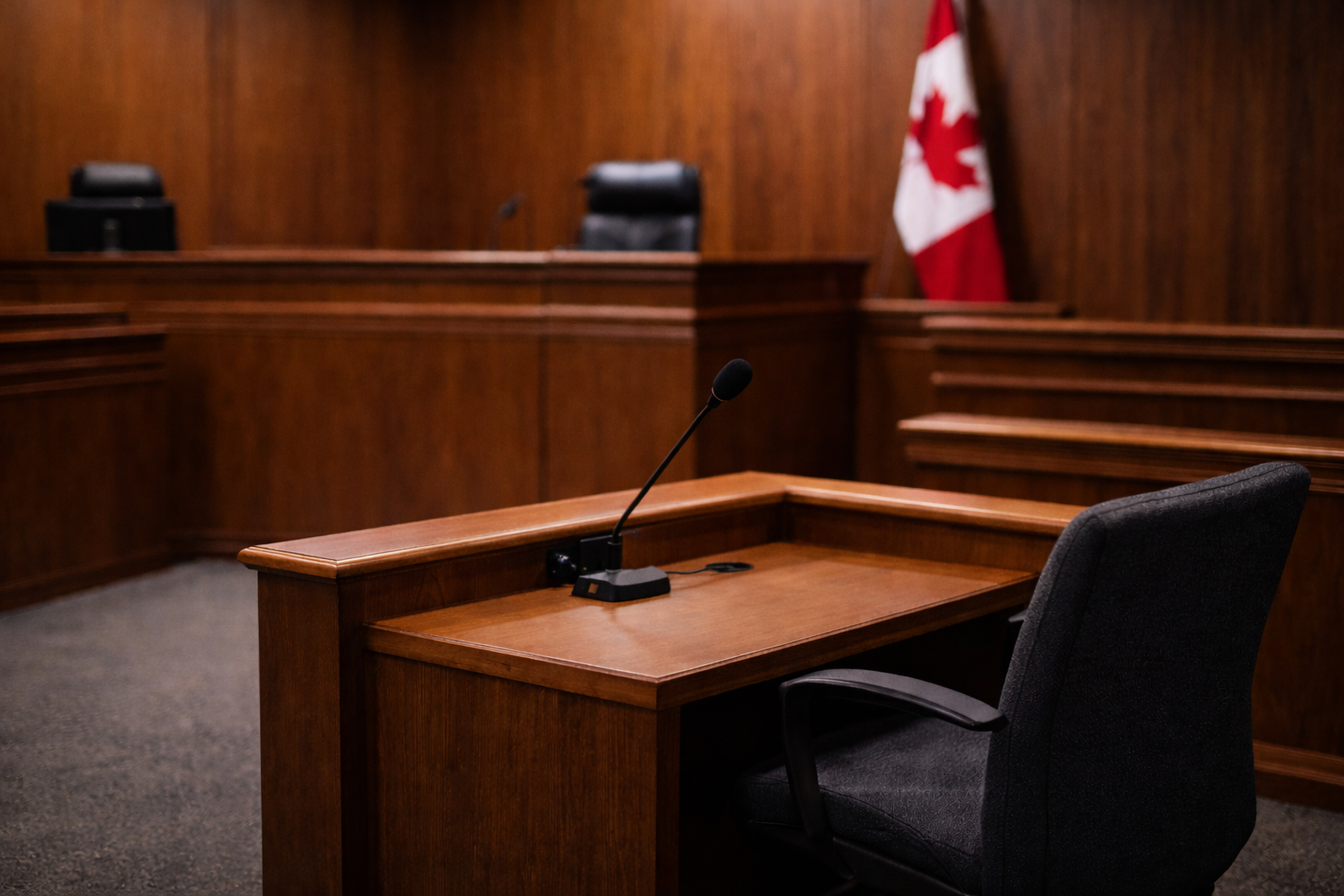
Medical Testimony Adds New Layer to Public Hearing
The public hearing into the death of Myles Gray took another significant step forward this week as a family doctor took the stand to provide medical testimony.
The hearing, which continues to draw attention across British Columbia, aims to examine the circumstances surrounding Gray’s death. While the process does not determine criminal guilt, it seeks clarity, accountability, and transparency. Because of that, every witness plays a critical role in building a complete picture of what happened.
This week’s testimony focused on Gray’s health history, physical condition, and any relevant medical factors that may have influenced the events leading to his death.
Background of the Case
Myles Gray died in 2015 following an encounter with police in Burnaby. Since then, the case has raised serious public questions. Family members, community advocates, and legal representatives have continued to seek answers.
The current public hearing provides a formal setting to review evidence and hear sworn testimony. It allows experts, witnesses, and officials to present detailed accounts. Therefore, each day of testimony adds another layer to the broader understanding of the case.
Because public confidence depends on openness, proceedings remain closely watched by community members and media alike.
Doctor Outlines Health History
During testimony, the family doctor discussed Gray’s prior medical history. The focus included underlying conditions, previous treatments, and any medications prescribed before his death.
Medical background matters in cases like this. Health factors can influence how the body responds to stress, physical restraint, or confrontation. As a result, hearing officers and legal representatives asked specific questions about Gray’s condition at the time.
The doctor described documented health concerns and explained how those factors might interact with external stressors. Although medical testimony does not assign blame, it helps clarify whether health vulnerabilities may have played a role.
Importantly, the doctor also addressed how certain substances or conditions can affect heart rate, oxygen levels, and overall physical response.
Questions From Legal Representatives
Following direct testimony, lawyers representing various parties posed detailed questions.
They asked about:
- How pre-existing health conditions may influence physical resilience
- Whether prescribed medications could alter stress response
- How sudden physical exertion impacts someone with underlying concerns
- Whether specific symptoms align with documented medical findings
Because hearings rely on precision, questioning remained focused and technical. Each response contributed to the overall timeline of events.
In addition, legal teams explored whether any warning signs existed in Gray’s medical file that might indicate heightened vulnerability.
Understanding the Hearing’s Purpose
It is important to understand what this hearing represents. Unlike a criminal trial, it does not determine whether someone committed a crime. Instead, it evaluates conduct, procedures, and systemic factors.
The goal is to determine whether actions taken were appropriate under the circumstances. Therefore, testimony includes not only eyewitness accounts but also medical analysis, expert opinions, and policy review.
Public hearings often examine broader themes such as:
- Police training protocols
- Use-of-force policies
- Medical risk recognition
- Emergency response procedures
Because of this broader scope, medical testimony plays a crucial role. It helps contextualize events beyond surface-level narratives.
Community Interest Remains High
The death of Myles Gray continues to resonate across British Columbia. Community members have followed developments closely for years. Advocacy groups have called for accountability and systemic review.
As the hearing unfolds, many see it as an opportunity for transparency.
Family members remain present. Legal observers continue monitoring proceedings. Meanwhile, media coverage ensures the public stays informed.
The inclusion of expert medical testimony underscores the seriousness of the review process.
The Importance of Medical Context in Custody Cases
Cases involving deaths during police encounters often involve complex medical factors. Stress, adrenaline, and physical exertion can significantly impact the human body.
For example, certain cardiac conditions may increase risk during high-intensity situations. Likewise, respiratory conditions can complicate outcomes if breathing becomes restricted.
Therefore, reviewing a person’s health profile helps determine whether pre-existing vulnerabilities existed.
However, medical context does not replace accountability. Instead, it informs understanding.
In Gray’s case, the doctor’s testimony sought to clarify how health and circumstance intersected.
What Happens Next
The hearing will continue with additional witnesses, including experts and officials connected to the events.
Because public hearings move methodically, proceedings may take time. Each witness undergoes examination and cross-examination. Documents are reviewed carefully. Findings will eventually be compiled into a formal report.
That report may include recommendations. In some cases, hearings lead to policy updates or procedural reforms.
For now, the focus remains on gathering facts.
A Broader Conversation About Transparency
Beyond the legal process, the case contributes to a wider conversation about public trust and institutional accountability.
Many Canadians expect openness when serious incidents occur. Transparent hearings help maintain confidence in oversight mechanisms.
By allowing medical professionals, officers, and witnesses to testify under oath, the process demonstrates a commitment to review.
As the hearing continues, more information will emerge. Each day brings incremental clarity.
For the Gray family and community observers, every piece of testimony matters.
Stay updated instantly — follow us on Instagram | Facebook | X