

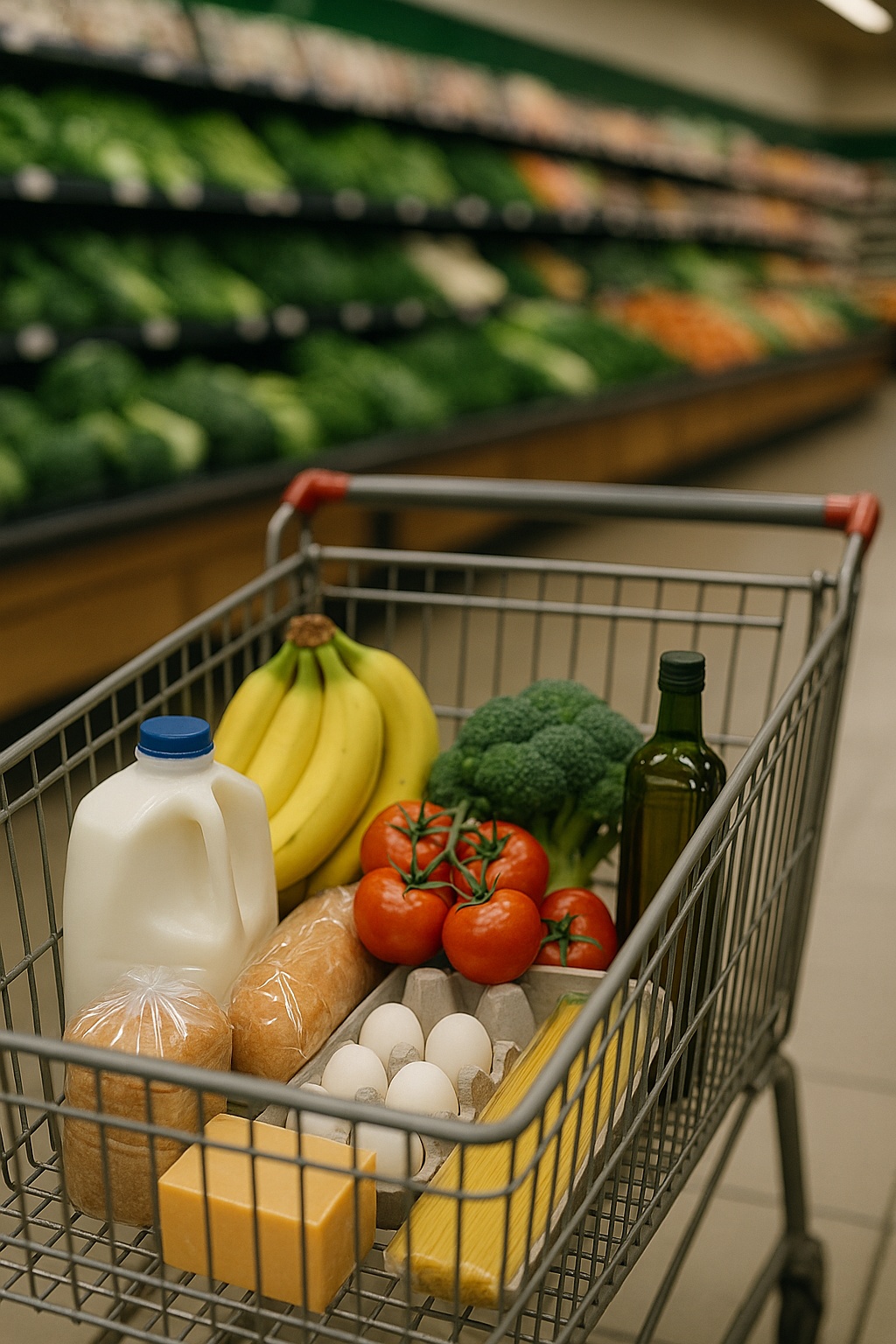
The 2025 Canada Food Price Report forecasts an increase in food prices of 3%–5%, which will lead to a rise in annual food expenditures for a family of four by up to $801.56, reaching a total of approximately $16,833.67. This increase in costs will affect families nationwide, making it important for households to plan ahead and manage their budgets effectively.
Impact on Food Sectors
The 2025 Canada Food Price Report forecasts a notable impact across multiple categories within the food industry.
Dairy Products – Prices for milk, cheese, butter, and yogurt are projected to increase by 4%–6%. Rising production costs, higher transportation expenses, and ongoing supply chain challenges are key drivers of these increases. Consumers may feel this most acutely in everyday essentials like milk and cheese, which are staple items for many households.
Fruits and Vegetables – Fresh produce is expected to become more expensive due to unpredictable weather patterns, fuel price fluctuations, and import costs. The price hikes will be more pronounced for imported fruits during the off-season.
Meat and Poultry – Beef, pork, and chicken may see price increases due to feed costs, processing plant expenses, and transportation logistics. Beef is predicted to have the sharpest rise among proteins, pushing families toward alternative, more affordable protein sources.
Packaged and Processed Foods – Rising ingredient and packaging costs will trickle down to pantry staples, snacks, and frozen foods, making it increasingly difficult for families to maintain the same grocery basket without budget adjustments.
Practical Tips for Families
To counteract these increases, families can take proactive measures to stretch their budgets:
Meal Planning
Plan weekly or bi-weekly meals in advance to ensure you only purchase what you need.
Include versatile ingredients that can be reused across multiple dishes to avoid waste.
Use leftovers creatively—transform roast chicken into sandwiches, soups, or stir-fry to extend its value.
Bulk Purchases
Buy non-perishable staples like rice, pasta, flour, and canned goods in bulk during sales.
Store bulk items properly to maintain freshness and prevent spoilage.
Consider sharing bulk purchases with friends or family members to split costs and storage space.
Seasonal Produce
Choose locally grown, in-season fruits and vegetables, which are often fresher and more affordable.
Freeze or preserve excess seasonal produce to enjoy later in the year at a lower cost.
Explore farmers’ markets and direct-from-farm purchasing to bypass retail markups.
Government and Community Strategies
Several provinces and municipalities are actively working to address the affordability challenge and improve food access:
Community Food Programs – Non-profit organizations and local food banks are expanding operations to provide fresh produce, proteins, and pantry staples at little or no cost to low-income families.
Subsidies and Vouchers – Some regions offer grocery subsidies, targeted vouchers, or rebate programs to help offset the cost of essential food items for vulnerable populations.
Farmers’ Market Support – Government grants and municipal initiatives are encouraging the growth of farmers’ markets, providing consumers with affordable, locally sourced products while supporting small-scale farmers.
Public Education Campaigns – Nutritional workshops, online resources, and budgeting seminars are being offered to teach families how to make healthier, cost-effective food choices.
Read More: