

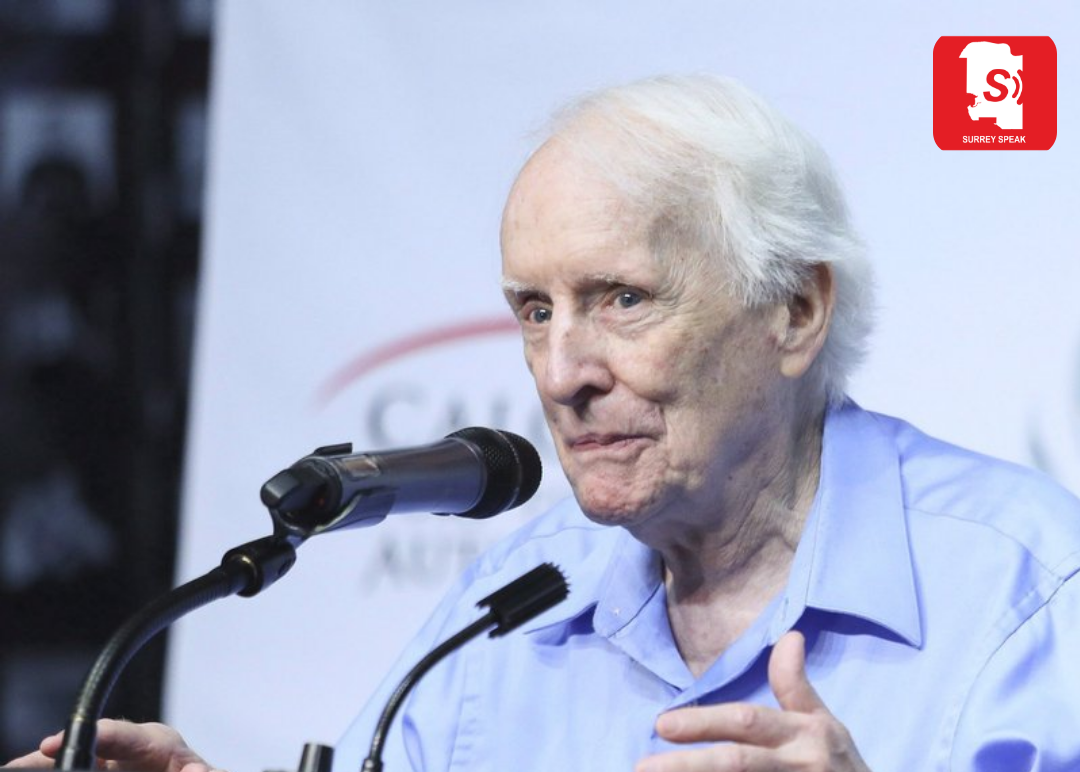
A Canadian Pioneer Who Changed Lives Through Sport
Canada is mourning the loss of Dr. Frank Hayden, a respected researcher and educator whose work became the foundation of the Special Olympics movement worldwide.
Special Olympics Canada confirmed that Hayden passed away at 96, leaving behind a legacy that reshaped opportunities for people with intellectual disabilities across the globe. ()
Born and raised in Ontario, Hayden dedicated much of his career to studying physical fitness and inclusion in sports. At a time when many people believed individuals with intellectual disabilities could not benefit from athletic training, his research challenged those assumptions and changed public attitudes forever.
Research That Sparked a Global Movement
In the 1960s, Hayden conducted groundbreaking studies that showed people with intellectual disabilities could significantly improve their fitness, confidence, and quality of life through structured physical activity. ()
His findings eventually caught the attention of Eunice Kennedy Shriver, who later founded the Special Olympics in 1968.
Hayden played a major role in shaping the movement during its early years, helping create programs focused on athletic participation, inclusion, and personal development.
Today, the Special Olympics serves millions of athletes in more than 170 countries worldwide. ()
Honoured Across Canada
Over the years, Hayden received numerous honours for his contributions to sports, education, and disability advocacy.
He was inducted into Canada’s Sports Hall of Fame and appointed to the Order of Canada for his impact on Canadian society. ()
A secondary school in Burlington, Ontario, was also named after him — recognizing his lifelong commitment to inclusion and equal opportunity.
Many within the Special Olympics community describe Hayden as a visionary whose work gave countless athletes confidence, purpose, and belonging.
Legacy Beyond Athletics
While Hayden is widely recognized for helping build the Special Olympics movement, supporters say his greatest contribution was changing how society viewed people with intellectual disabilities.
His work encouraged communities, schools, and organizations to focus on ability instead of limitation.
Leaders from Special Olympics Canada say his legacy will continue to inspire future generations of athletes, families, and advocates around the world. ()
Stay updated instantly — follow us on Instagram | Facebook | X
For any issues or concerns, please contact us at issue@surreyspeak.com.
Have a local story or update to share? Become a Citizen Journalist or volunteer with Surrey Speak—your voice matters in shaping local news.
We believe AI is a powerful, positive tool that supports creativity and responsible journalism.
Contact: marketing@surreyspeak.com